Jesse Eisenberg Donated His Kidney to a Total Stranger
Actor Jesse Eisenberg gave a kidney to someone he'll never meet and says he wishes he had more to give. His donation likely started a chain that helped multiple people get life-saving transplants.
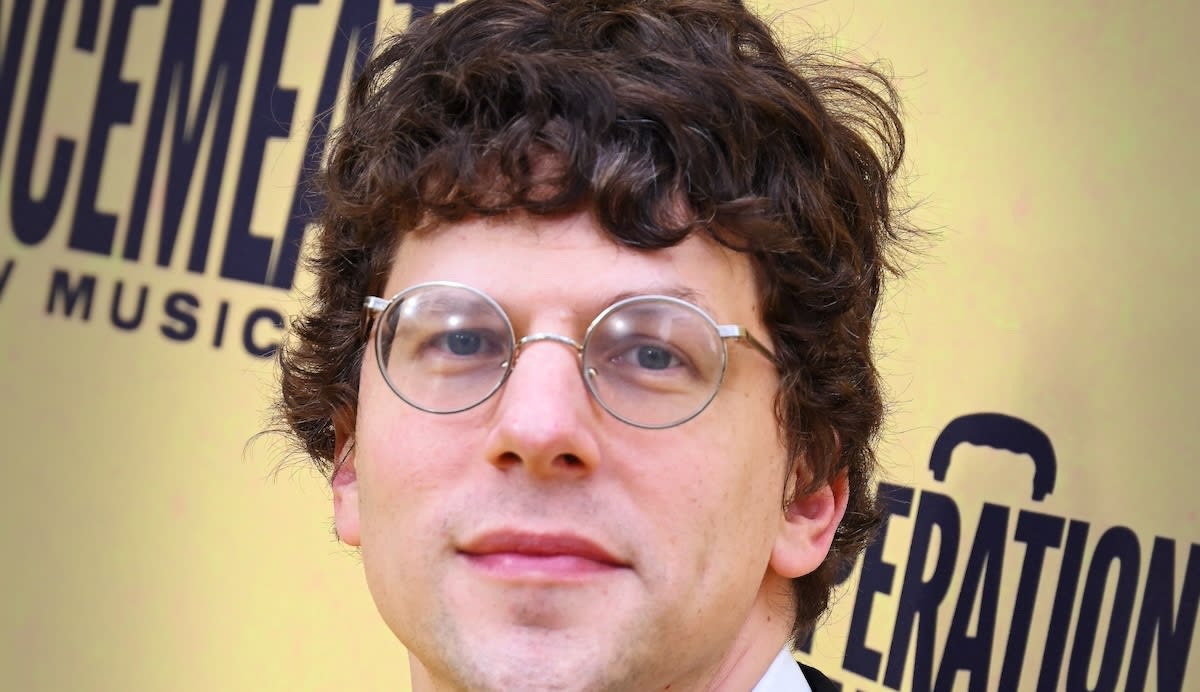
Jesse Eisenberg just did something that sounds impossible: he gave away a kidney to a complete stranger and says it was the easiest thing he's ever done.
The actor announced his donation almost by accident on the Today Show in October 2025 while talking about his blood donation habit. "I'm actually donating my kidney in six weeks," he said, and on December 30th, he followed through.
He'd wanted to do this for a decade. Years ago, he contacted an organization asking how to donate, but nobody wrote back. The idea sat dormant until recently when a friend in medicine gave him a phone number for NYU Langone Health in Manhattan. He was in the hospital the next day getting tested.
What he did is called a non-directed donation. The kidney goes to the best match on the transplant list, and donors never learn who received it. More than 95,000 people are currently waiting for a kidney, and roughly 13 die every day.
But Eisenberg's single kidney likely helped far more than one person. His donation probably started what's called a chain reaction. Here's how it works: someone needs a kidney but their loved one isn't a match. Eisenberg's kidney goes to that person. Then their loved one donates to someone else in the same situation. The chain keeps going as long as there are pairs waiting.
None of it happens without someone willing to give without getting anything back.
The Ripple Effect
Eisenberg walked away from the surgery with no lifestyle changes, no limitations, and no regrets. Months later, he told NYU Langone he wished he had more kidneys to give.
He also solved the "what if my own family needs one someday" problem. Through the National Kidney Foundation's family voucher program, he put his family on a priority list. If they ever need a kidney, they'll get bumped up for a living donation.
Living donors made more than 7,200 transplants possible in 2025. Their kidneys tend to last longer in recipients than kidneys from deceased donors. The fifteen-year risk of kidney failure for donors comes in under 1%, and large studies show no increase in death or heart disease compared to people who keep both kidneys.
So why doesn't everyone do this? Time is the biggest barrier. Donation means a few days in the hospital and several weeks of unpaid recovery. That's impossible for anyone without leave or savings.
The other obstacle is simpler: nothing about the system comes looking for you. Eisenberg wanted to do this for ten years, but what finally made it happen was a friend handing him a phone number.
He calls the procedure "essentially risk-free and so needed," and believes people would see it as obvious if they knew how straightforward it was.
More Images



Based on reporting by Upworthy
This story was written by BrightWire based on verified news reports.
Spread the positivity!
Share this good news with someone who needs it