Judge Protects Colorado Ranchers' Land Rights
A Colorado judge sided with a multigenerational ranching family, ruling that a utility can't use eminent domain powers meant for public transmission lines to seize land for private power plant connections. The decision clarifies an important legal distinction protecting landowners statewide.
A judge's careful reading of permit documents just protected property rights for landowners across Colorado.
When a utility company tried to use eminent domain to take a 550-foot strip of ranch land in eastern Colorado, a district court judge caught something crucial in their paperwork. The company had labeled their own cables as "generation tie lines" in permit filings, then tried to claim eminent domain powers reserved only for public "transmission lines."
The distinction matters. Colorado law lets utilities take land for transmission infrastructure that serves many customers, recognizing that as a public good. But it specifically denies that power for generation lines that only connect a single power plant.
The judge held the utility to its own words and said no.
The ruling protects a ranching family that has farmed the county for generations. They'd already sold the utility 90 acres for a substation in 2022 for $585,000, showing their willingness to negotiate. But the subsequent corridor easements across their property hit an impasse over fair compensation.
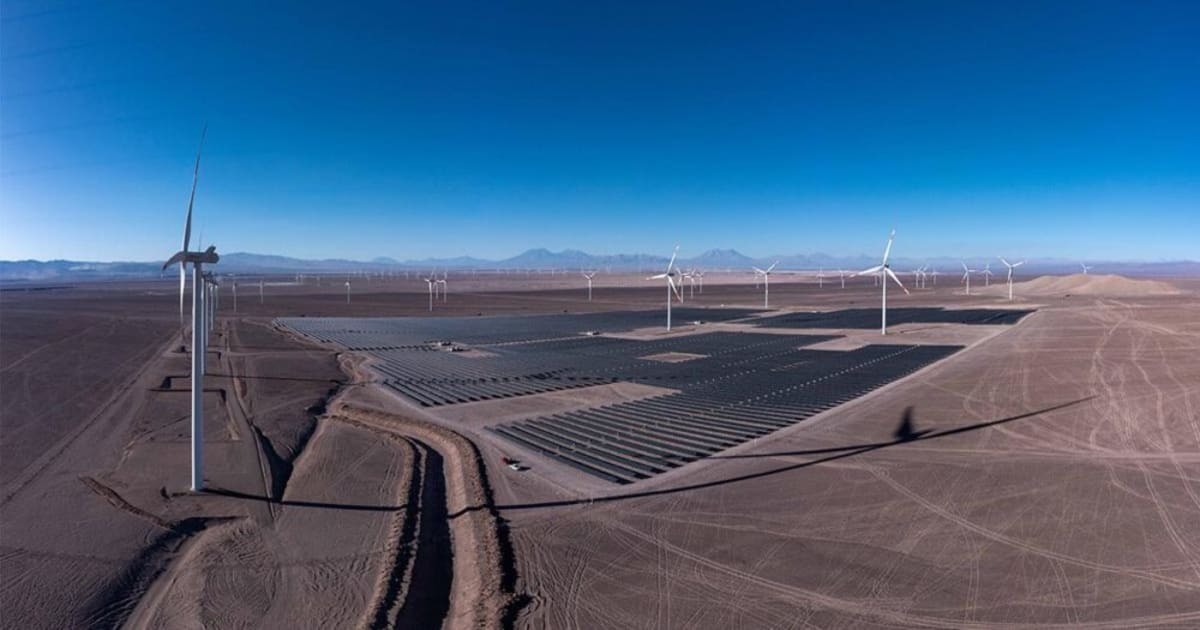
The case sits at the intersection of clean energy expansion and property rights. Two wind farms with a combined 1,053 megawatts stand finished but unconnected while both sides negotiate. An alternative route exists but hasn't been pursued.
The Bright Side
Legal clarity protects everyone. When courts enforce statutory distinctions, they create predictable rules that future developers and landowners can both rely on. The Colorado Supreme Court declined to rush the appeal, signaling that careful consideration matters more than speed.
State lawmakers are already working to address the gap in future projects, turning this dispute into constructive policy refinement. Meanwhile, voluntary negotiations continue between the parties who successfully transacted before.
The decision reminds us that building a clean energy future works best when it respects the people whose land makes it possible.
Based on reporting by Google News - Wind Energy
This story was written by BrightWire based on verified news reports.
Spread the positivity!
Share this good news with someone who needs it