Jupiter Has 1.5x More Oxygen Than the Sun, NASA Finds
Scientists just discovered Jupiter contains far more oxygen than anyone expected, using new technology to peer beneath the gas giant's violent clouds. The finding helps solve mysteries about how our solar system formed billions of years ago.
Scientists just unlocked a major secret hiding beneath Jupiter's angry storms, and it changes what we know about how planets form.
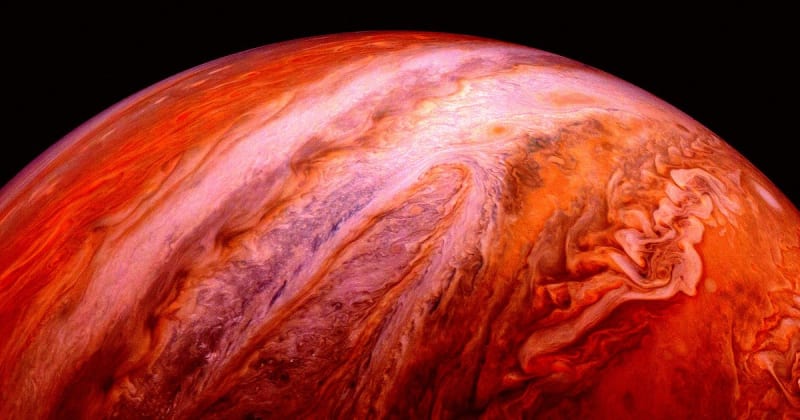
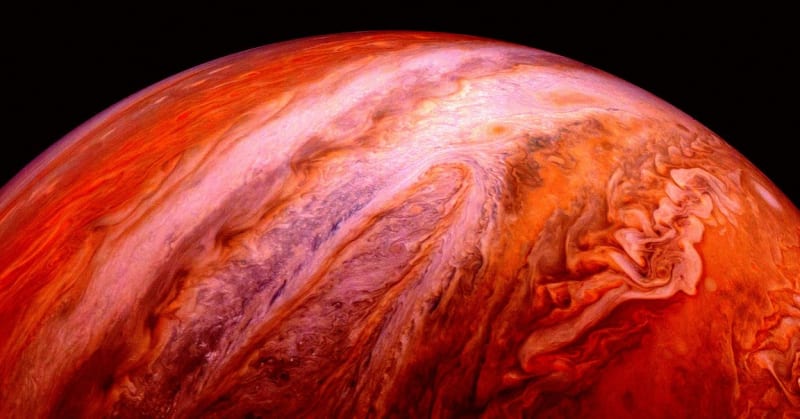
Using data from NASA's Juno and Galileo missions, researchers at the Jet Propulsion Laboratory and University of Chicago built the most detailed model yet of Jupiter's atmosphere. What they found surprised everyone: Jupiter contains one and a half times as much oxygen as the Sun, far more than the previous estimate of just one third.
The discovery wasn't easy to make. Jupiter's enormous storms create impenetrable clouds that would vaporize, melt, or crush any spacecraft trying to pass through. NASA's Galileo spacecraft went dark almost immediately when it plunged into Jupiter's atmosphere back in 2003.
But the new computational model combines two critical elements that previous research missed. It tracks both the chemical reactions happening at different temperatures and the actual movement of gases, clouds, and droplets throughout the atmosphere.
"You need both," said lead researcher Jeehyun Yang, a postdoctoral researcher at UChicago. "Chemistry is important but doesn't include water droplets or cloud behavior."
The model revealed another surprise: gases move through Jupiter's atmosphere 35 to 40 times slower than scientists previously thought. A single molecule might take several weeks to move through a layer that researchers believed would take only hours.
Why This Inspires
This discovery does more than teach us about Jupiter. It supports the leading theory about how our entire solar system formed billions of years ago.
The high oxygen levels suggest Jupiter formed by gathering icy material near or past the "frost line," the distance from the Sun where temperatures drop low enough for water, ammonia, and methane to freeze. Understanding Jupiter's formation helps scientists piece together the story of how Earth and our neighboring planets came to exist.
Much of Jupiter's oxygen is locked up in water, which behaves completely differently depending on temperature. This makes mapping the planet's layers incredibly complex, but the new model finally gives researchers a tool accurate enough to tackle the challenge.
The findings also remind us how much mystery still surrounds our cosmic neighborhood. Jupiter and its fascinating collection of moons continue to baffle even top scientists.
"It really shows how much we still have to learn about planets, even in our own solar system," Yang said, and that sense of wonder keeps pushing science forward.
More Images
Based on reporting by Futurism
This story was written by BrightWire based on verified news reports.
Spread the positivity!
Share this good news with someone who needs it