JWST Maps Universe's Skeleton in Stunning Detail
The James Webb Space Telescope has created the clearest map ever of the cosmic web, revealing the universe's hidden structure from when it was just a billion years old. This breakthrough gives scientists an unprecedented view of how galaxies connect across space and time.
Scientists can now see the universe's hidden skeleton with clarity that seemed impossible just years ago.
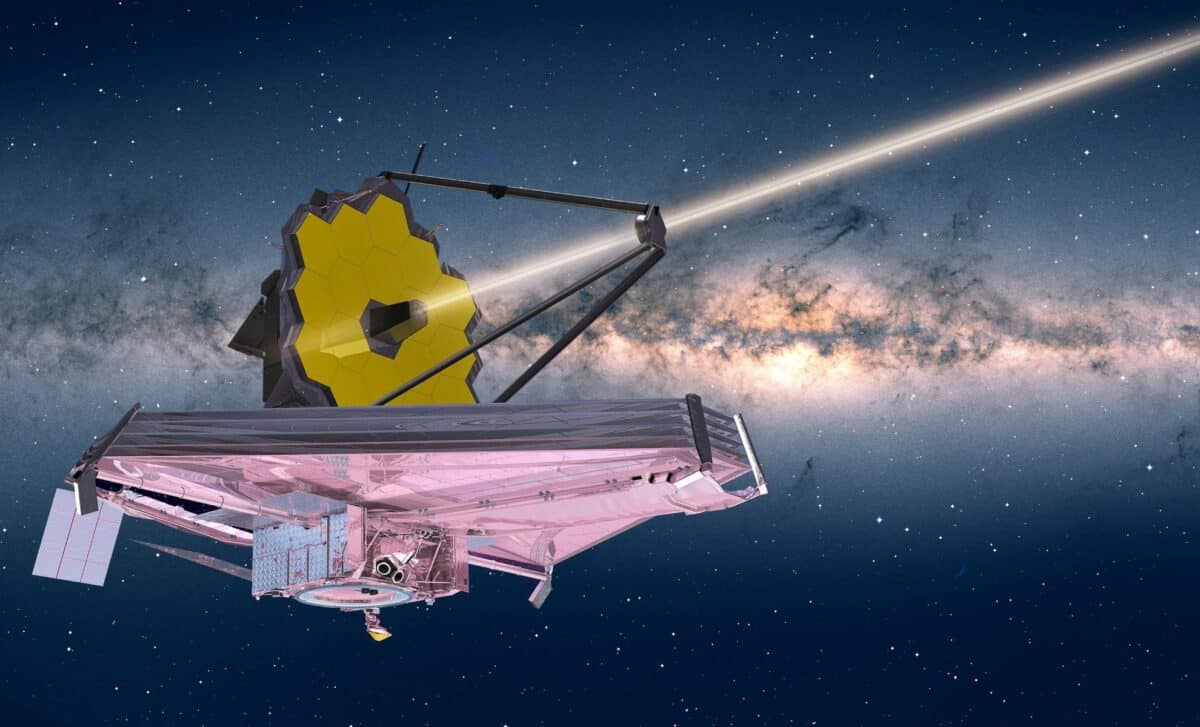
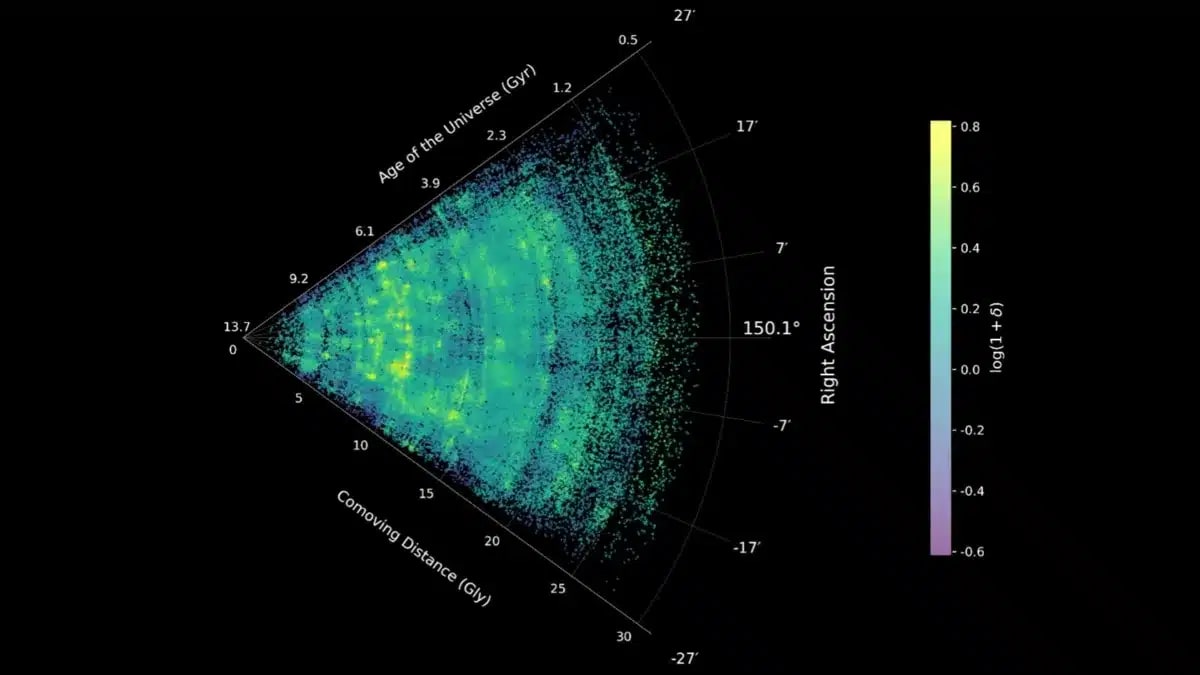
The James Webb Space Telescope has produced the most detailed map ever of the cosmic web, the vast network of filaments and sheets that connects galaxies across the universe. This achievement lets researchers peer back to when the universe was only a billion years old, revealing structures from the cosmos's early childhood.
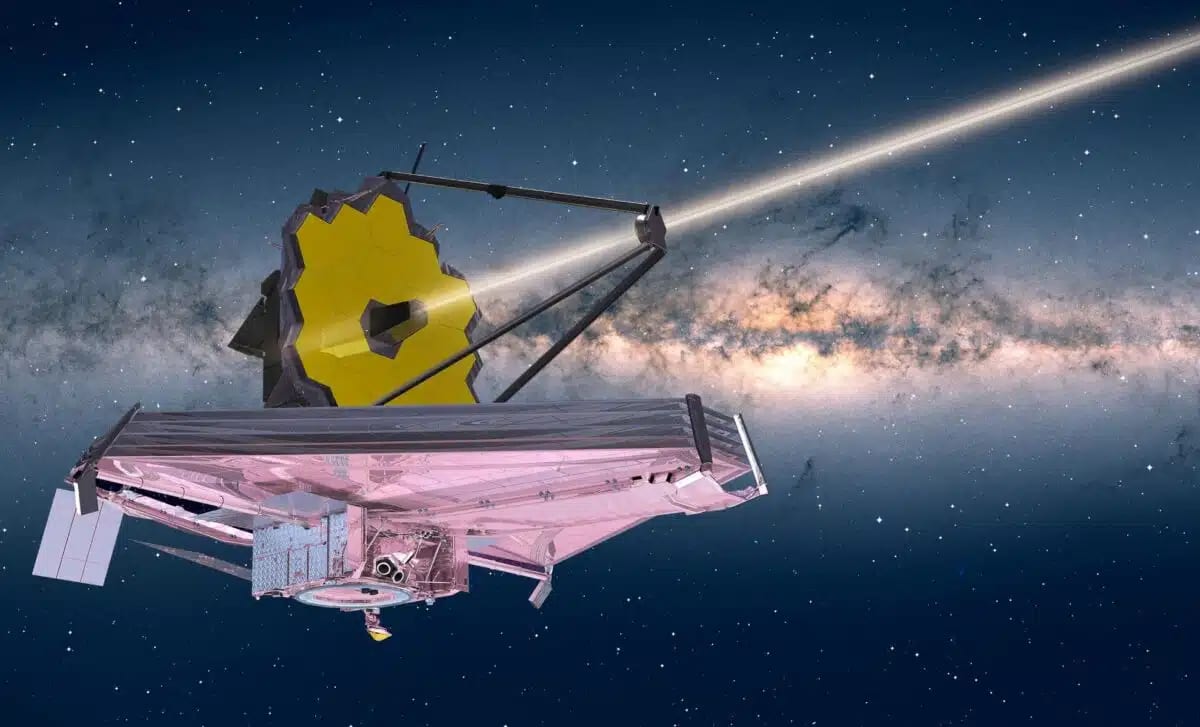
Since launching in 2021, JWST has transformed how astronomers study distant space. Its powerful infrared instruments can detect faint galaxies invisible to earlier telescopes and see through thick cosmic dust clouds that once blocked our view.
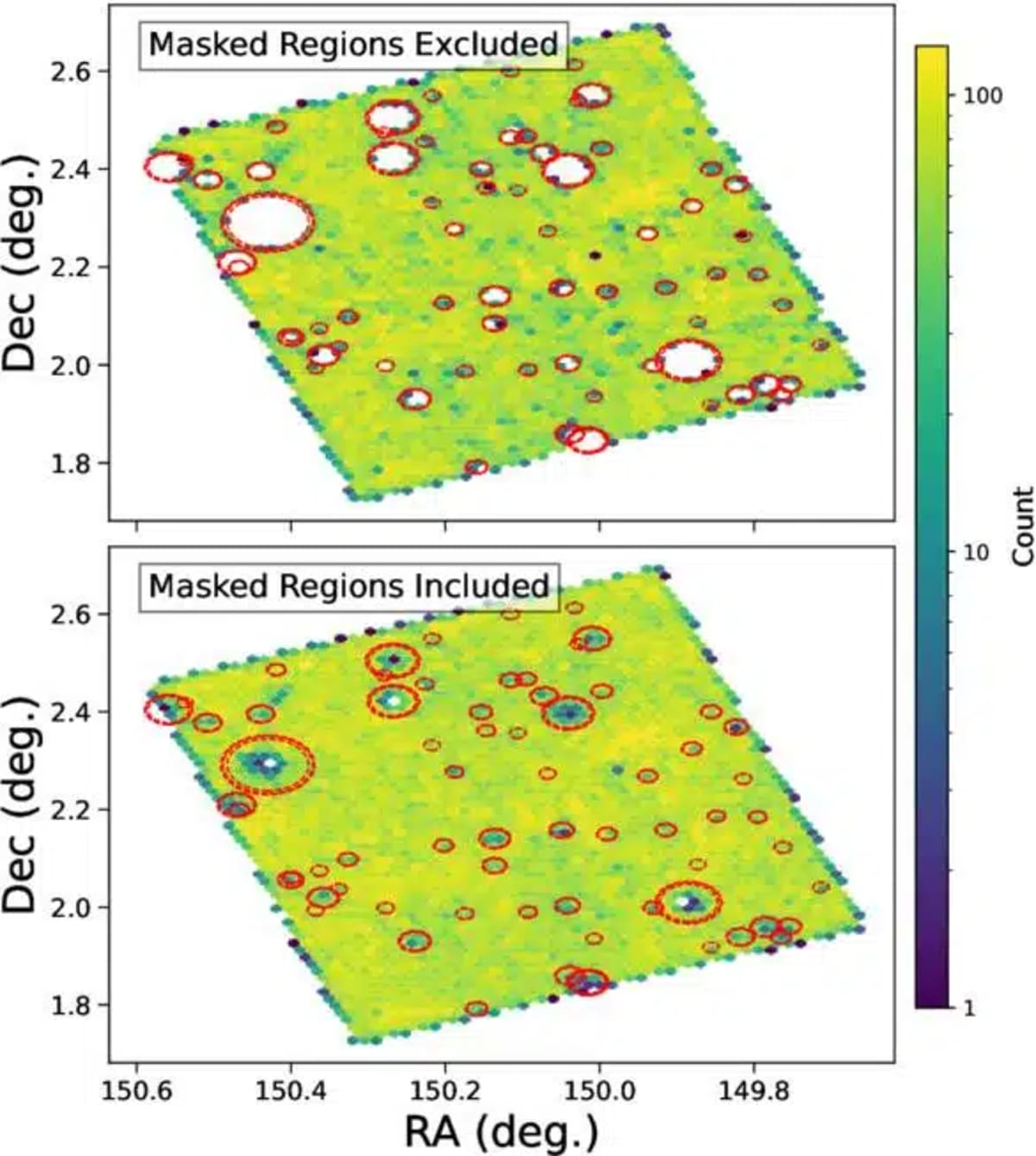
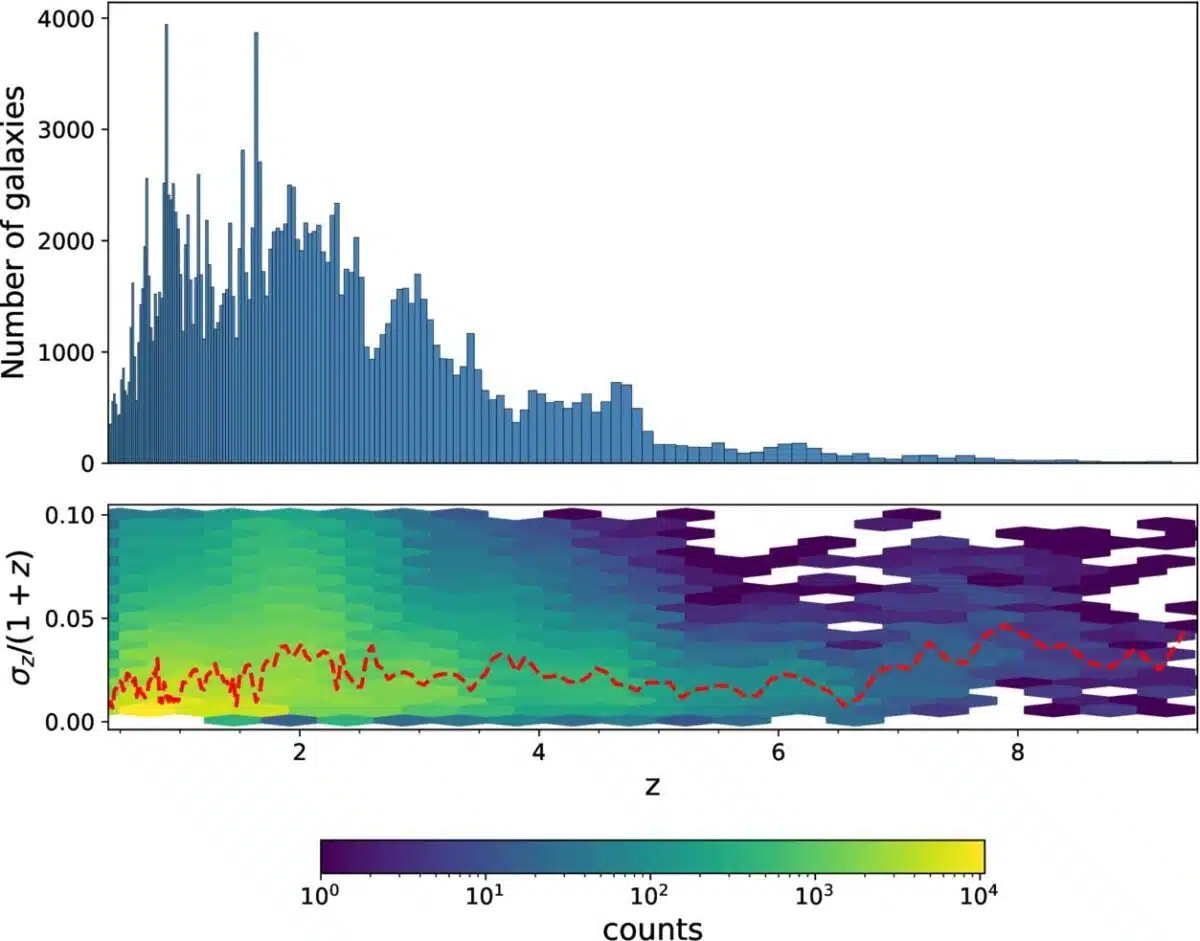
The breakthrough comes from COSMOS-Web, JWST's largest research program to date. Scientists analyzed over 164,000 galaxies across a sky area equal to three full moons, tracing how matter arranged itself over billions of years.
Lead researcher Hossein Hatamnia from the University of California, Riverside explains that JWST allows precise placement of galaxies in time and space. What previous telescopes saw as blurry, merged structures now appears as multiple distinct filaments with sharp details.
Professor Bahram Mobasher points out the dramatic improvement over earlier Hubble observations. "What used to look like a single structure now resolves into many, and details that were smoothed away before are now clearly visible," he said.
The cosmic web forms a skeleton-like framework throughout the universe. Dark matter and gas create filaments and sheets surrounding vast empty voids, like a three-dimensional spiderweb connecting everything.
The Ripple Effect
This discovery opens doors far beyond pretty pictures of space. By understanding how the cosmic web evolved, scientists can better grasp how galaxies formed and grew over billions of years.
The research team includes experts from ten countries across four continents, demonstrating how international collaboration drives scientific progress. They've released all survey data, including galaxy catalogs, cosmic density maps, and an animated video showing the web's evolution, to the public for free.
Other astronomers worldwide can now explore this treasure trove of information independently. This open-access approach continues a tradition of sharing discoveries that benefits the entire scientific community.
JWST's precise measurements reach eras previously beyond our grasp. The telescope reveals the cosmic web when the universe was only a few hundred million years old, opening a new window on the cosmos's formative years.
Hatamnia emphasizes the telescope's transformative impact: "JWST has completely changed our view of the universe, and COSMOS-Web was designed from the start to give us the wide, deep view we need to see the cosmic web."
This detailed map sets a new benchmark for studying the architecture of space, helping humanity understand our place in an intricately connected universe.
More Images
Based on reporting by Google: James Webb telescope
This story was written by BrightWire based on verified news reports.
Spread the positivity!
Share this good news with someone who needs it