Hubble Captures Galaxy Where Black Hole Reshapes Star Birth
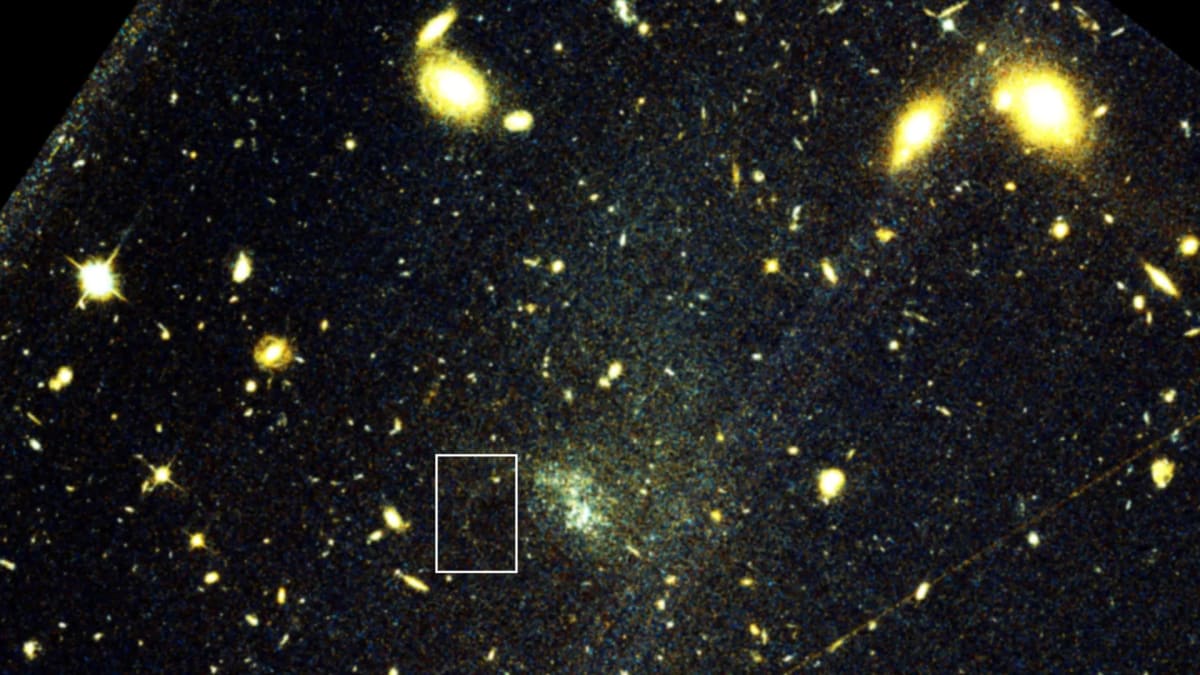
NASA's Hubble Space Telescope has revealed a rare galaxy caught in the act of transformation, where a supermassive black hole is fundamentally changing how stars are born. The discovery helps scientists understand how galaxies evolve from bustling star factories into quiet cosmic neighbors.
Scientists have spotted something remarkable happening 100 million light-years away: a galaxy in the middle of one of the universe's most dramatic makeovers.
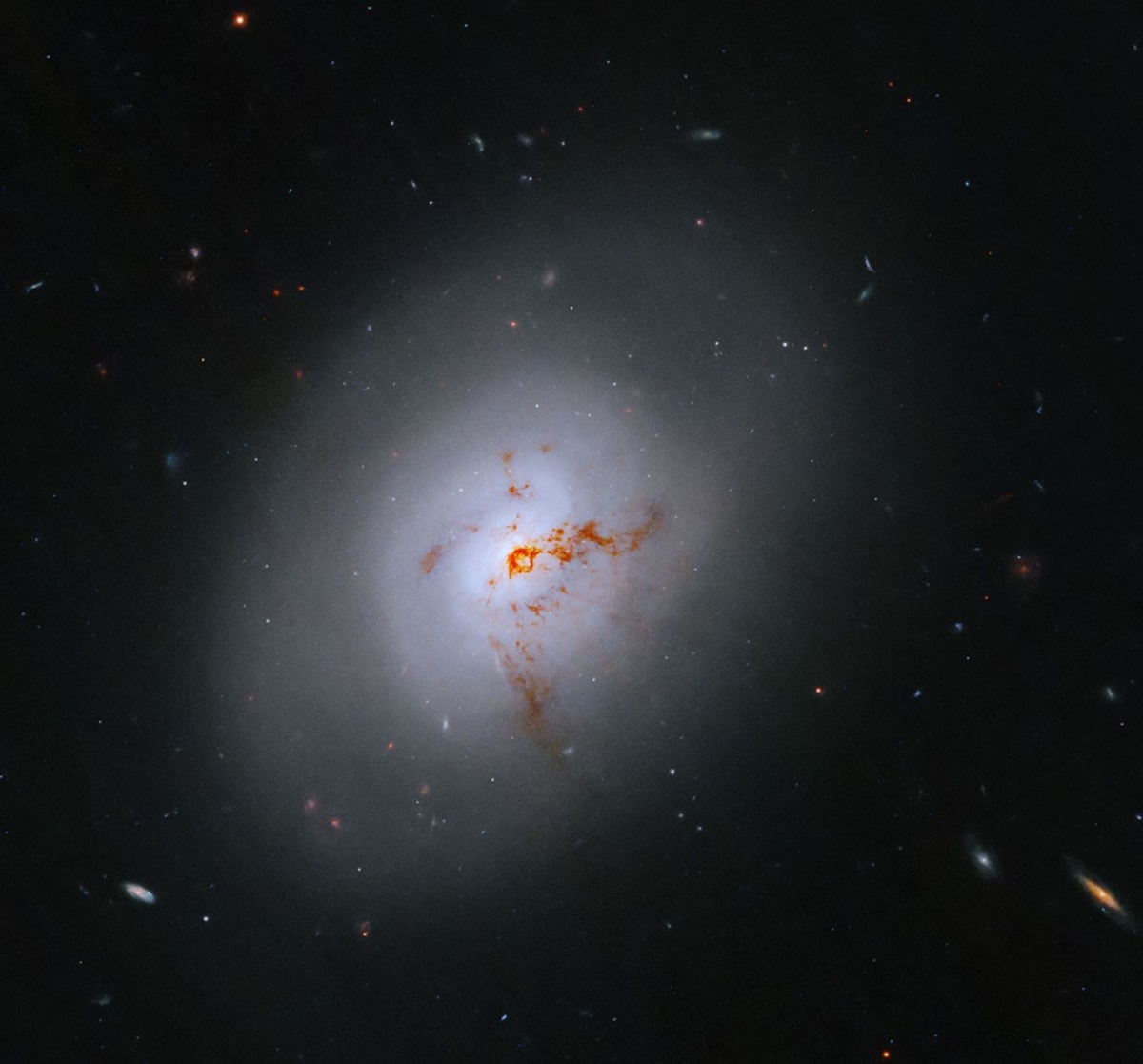
NGC 1266, captured in stunning detail by the Hubble Space Telescope, is what astronomers call a post-starburst galaxy. These cosmic rarities make up just one percent of nearby galaxies, and they're caught between two very different lives.
About 500 million years ago, this galaxy collided with a smaller neighbor. The merger triggered an explosive burst of new stars and fed enormous amounts of gas into the galaxy's central supermassive black hole.
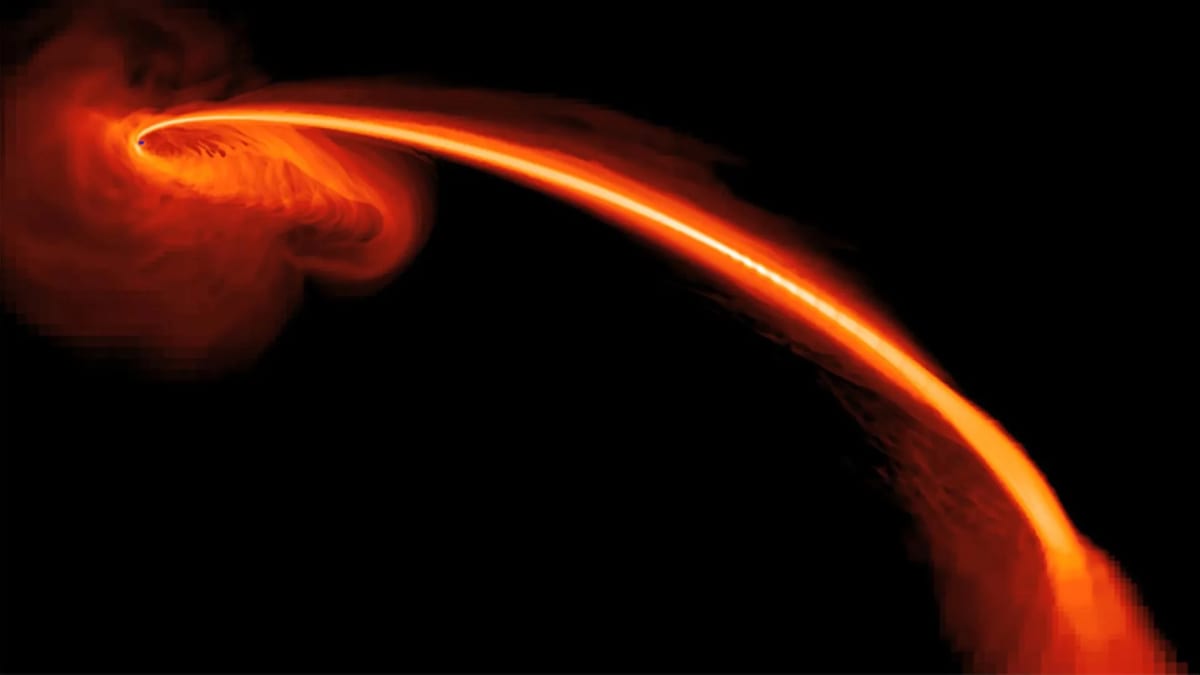
That's when things got really interesting. The black hole became significantly more active, launching powerful jets and winds of gas that spread throughout the galaxy. Think of it like a cosmic vacuum cleaner working in reverse, pushing material out instead of pulling it in.
Over time, those powerful outflows did something unexpected. They began stripping away the very gas clouds needed to form new stars, essentially shutting down the galaxy's ability to create stellar nurseries beyond its core.
Hubble's observations show the aftermath of this process in action. The space between stars appears shocked and highly disturbed, and nearly all remaining star formation happens only in the galaxy's center. The black hole is actively reshaping its home.
Why This Inspires
This discovery reveals that destruction and creation work hand in hand across the cosmos. What looks like a black hole "suppressing" star formation is actually helping galaxies mature and evolve into their next phase of life.
Scientists are particularly excited because NGC 1266 offers a rare window into processes that normally take billions of years. By studying galaxies like this one, researchers can piece together how spiral galaxies transform into the elliptical galaxies we see throughout the universe.
The finding also shows how supermassive black holes don't just sit passively at galactic centers. They actively interact with their host galaxies, influencing everything from star formation to the distribution of gas and dust across millions of light-years.
Understanding these transitions helps astronomers predict what might happen to our own Milky Way billions of years from now, when it eventually merges with the nearby Andromeda galaxy.
Even in cosmic endings, there's beauty in transformation.
More Images

Based on reporting by NASA
This story was written by BrightWire based on verified news reports.
Spread the positivity!
Share this good news with someone who needs it