Kano's New Digital Market Could Create 100,000 Jobs
A massive electronics marketplace in northern Nigeria is poised to generate billions in revenue and transform the region into West Africa's trading powerhouse. The project has already provided work for 8,000 people during construction alone.
Nigerian traders might soon skip their trips to China thanks to a groundbreaking marketplace that just opened in Kano, one of West Africa's oldest commercial cities.
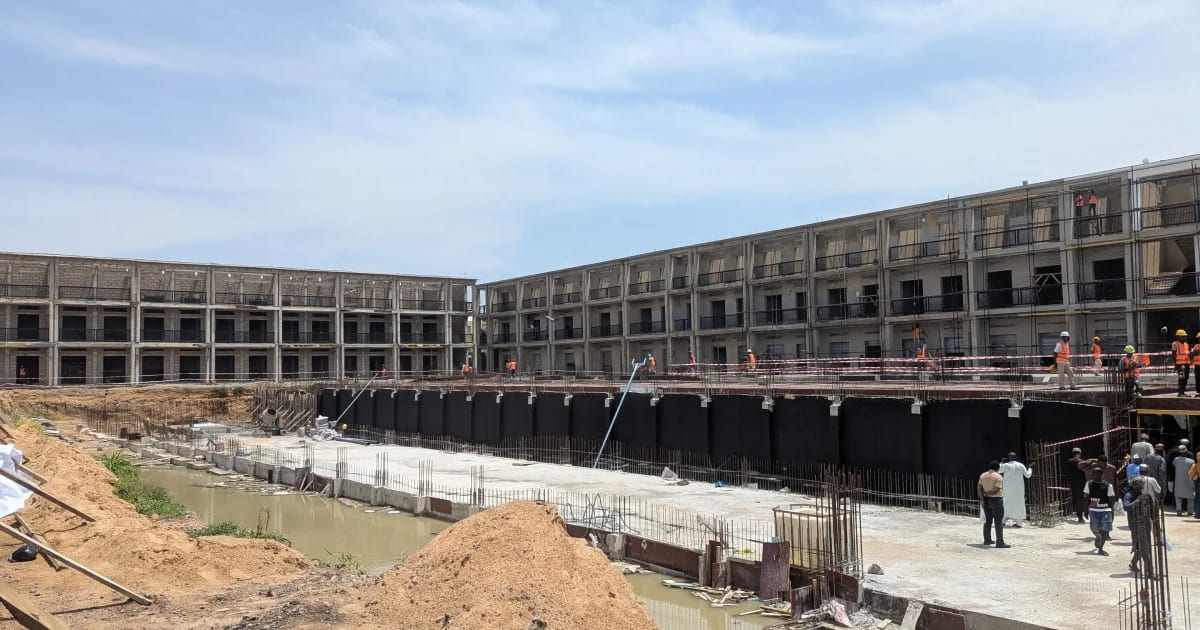
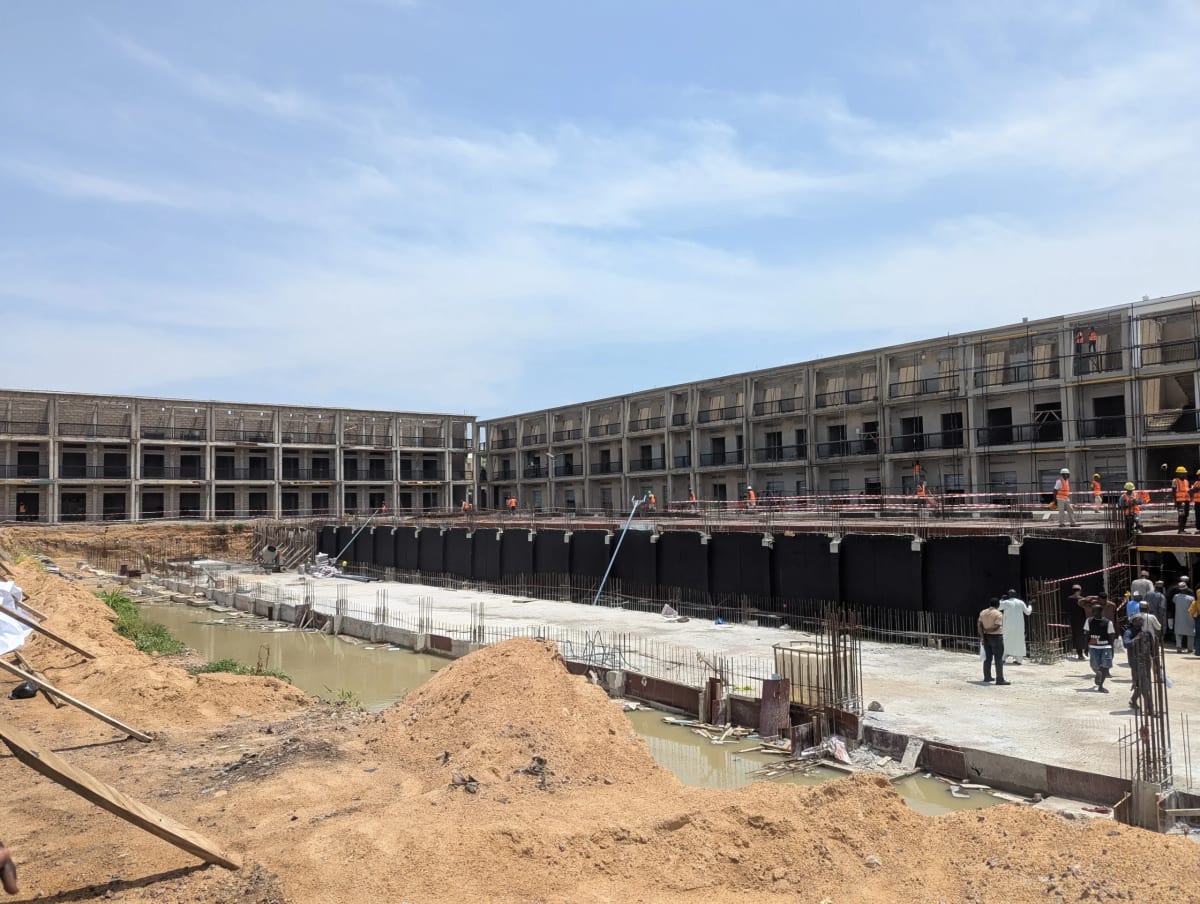
The Hajaj-ZOEC Digital Market welcomed its first visitors on Saturday, unveiling 1,500 modern shops dedicated to electrical and electronics products. Built on the site of a former bus park in the Tudun Wada neighborhood, the facility represents one of the largest investments in regional trade infrastructure in recent years.
The numbers tell an impressive story. Developer Alhaji Jamilu Abdussalam says the market could generate 50 billion naira (roughly $32 million) in revenue while creating more than 100,000 direct and indirect jobs. The project cost between 25 and 30 billion naira to build and has already sold 60 to 65 percent of its available shops.
International companies are taking notice. Egyptian and Chinese firms have already established permanent showrooms inside the market, betting that Kano will become a major distribution hub for the entire African continent.
The facility comes equipped with modern amenities that many African markets lack. Basement parking accommodates 700 vehicles, while underground storage can hold more than 30 shipping containers. A central firefighting system and sprinkler installations address safety concerns that have plagued traditional markets.
Construction itself became an economic engine. More than 1,000 people worked on the site daily, from laborers to specialized professionals. When suppliers and support staff are counted, the project has already benefited 8,000 people before opening its doors.
The Ripple Effect
The market emerged from a public-private partnership between Kano State Government, Hajaj ZOEC Real Estate Limited, and ZOEC Construction. Federal Housing Minister Yusuf Ata says his ministry has streamlined bureaucratic obstacles to encourage more such collaborations, creating a framework that investors nationwide can access.
The timing reflects broader shifts in African commerce. Rather than traveling overseas to source products, traders can now place bulk orders locally and build relationships with international suppliers who maintain a permanent presence in Kano. This saves money on travel while keeping more capital circulating within Nigeria.
Kano has served as a trading center for centuries, but the digital market represents its modern evolution. The facility positions northern Nigeria to capture a larger share of the electronics trade that currently flows through ports in Lagos and other coastal cities.
Business leaders and government officials who attended Saturday's commissioning expressed confidence that the market would attract investment across the region and reinforce Kano's reputation as northern Nigeria's commercial heart.
The project shows what's possible when government and private enterprise work together on infrastructure that serves real market needs.
More Images



Based on reporting by Punch Nigeria
This story was written by BrightWire based on verified news reports.
Spread the positivity!
Share this good news with someone who needs it