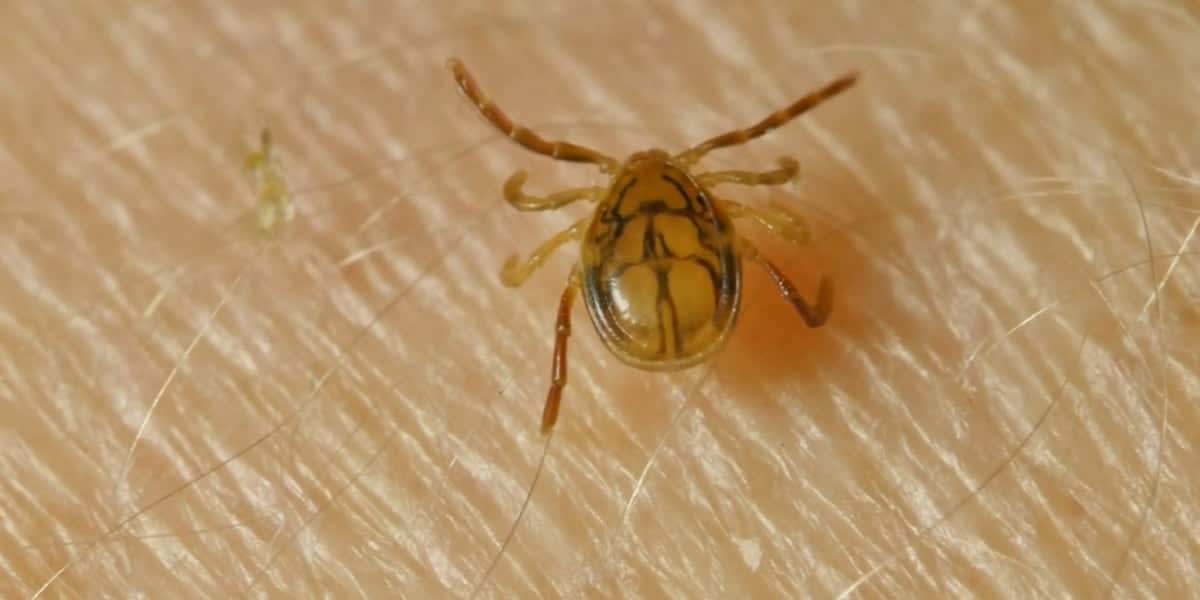
Kentucky Researcher Finds New Way to Fight Lyme Disease
A University of Kentucky scientist is turning Lyme disease bacteria against itself in a promising new treatment approach. The breakthrough comes as tick-borne illnesses have jumped 128% nationwide since 2020.
While tick-borne diseases surge across America, a Kentucky researcher just discovered a clever way to outsmart one of the most stubborn infections: Lyme disease.
Dr. Brian Stevenson at the University of Kentucky is leading two studies that flip the script on Lyme disease bacteria. Instead of attacking it directly, his team is using the bacteria's own internal systems to destroy itself from within.
"I think it's an example of basic science, just finding out the biology of the organism, and surprisingly, you find things that you never really expected," Stevenson said. His approach could help patients in late-stage infections, when bacteria hide in hard-to-reach parts of the body where current treatments struggle.
The timing couldn't be better. Kentucky historically had almost no Lyme disease, but blacklegged ticks carrying the bacteria have moved into the state over the past decade. In 2019, Kentucky reported just 22 confirmed Lyme cases. By 2022, that number tripled to 72.
Stevenson's team confirmed blacklegged tick populations in at least 19 Kentucky counties last year. When they tested 160 ticks, a quarter carried the Lyme bacteria.
The spread stems from Kentucky's humid climate and vegetation, which create perfect tick habitats. These tiny parasites have migrated from both northern and southern states, bringing disease with them.
Left untreated, Lyme disease can cause long-term fatigue, brain fog, and chronic joint and muscle pain. Current antibiotics work well for early infections but struggle with advanced cases.
The Bright Side
Stevenson's research shows how studying basic biology can lead to unexpected breakthroughs. By understanding how Lyme bacteria actually function, his team found a weakness they can exploit. This approach could eventually help thousands of people suffering from chronic Lyme symptoms that don't respond to existing treatments.
The research also demonstrates how scientists are staying ahead of emerging health threats. As climate patterns shift and disease-carrying ticks expand their territory, innovative treatments like Stevenson's give us new tools to protect public health.
Meanwhile, simple precautions still work: light-colored long sleeves and pants, insect repellent, and tick checks after outdoor activities. As spring arrives and more people head outside, awareness paired with advancing science offers real hope against a growing threat.
Based on reporting by Google News - Disease Cure
This story was written by BrightWire based on verified news reports.
Spread the positivity!
Share this good news with someone who needs it