Kentucky's Black Bears Back from the Brink with 1,500 Strong
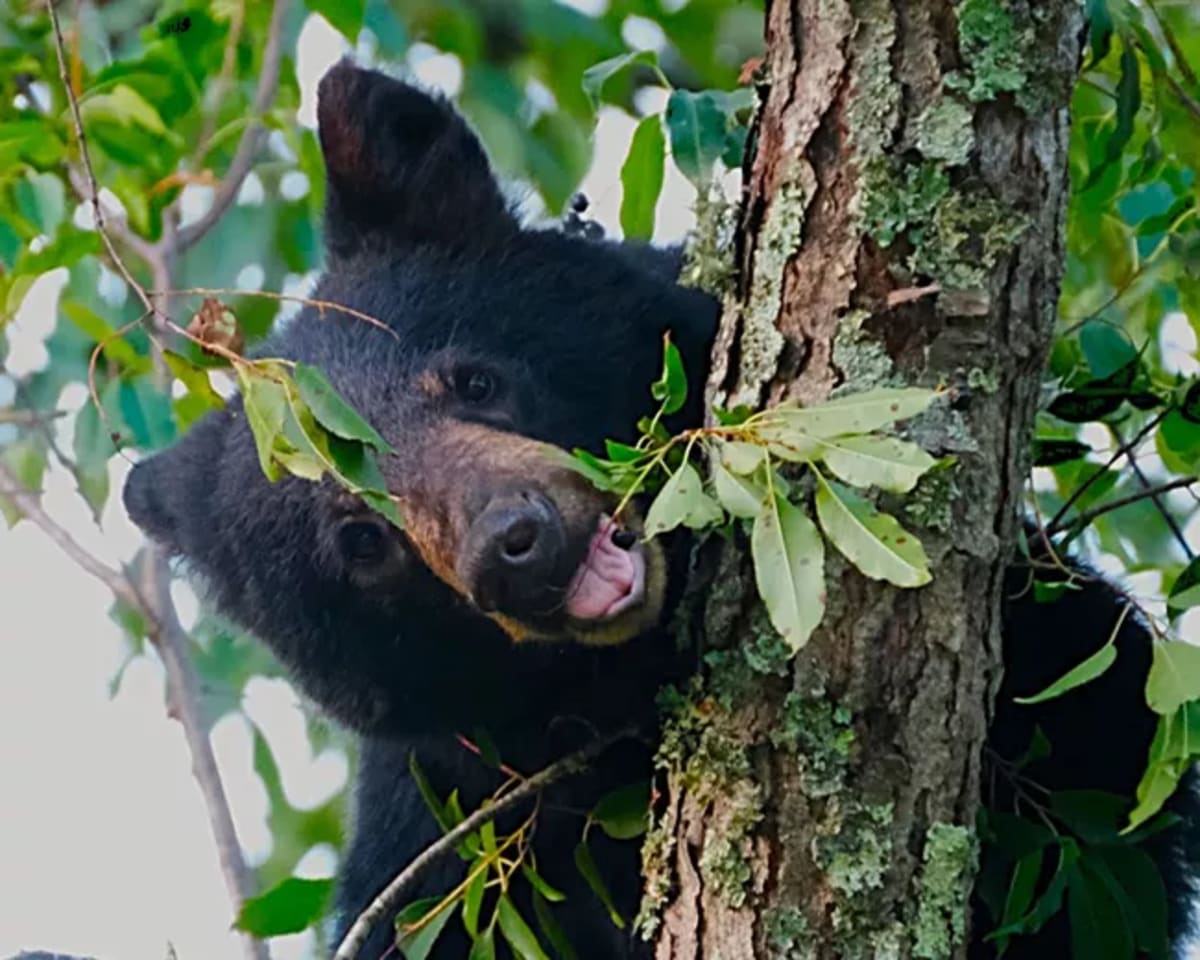
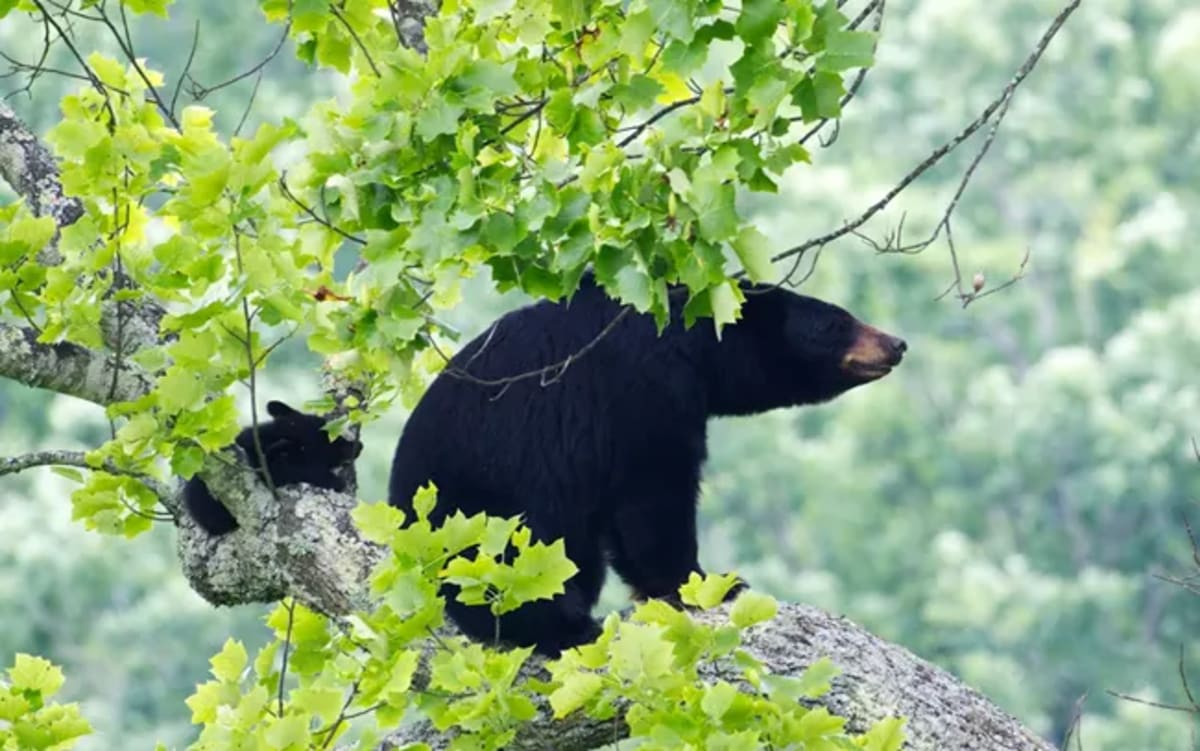
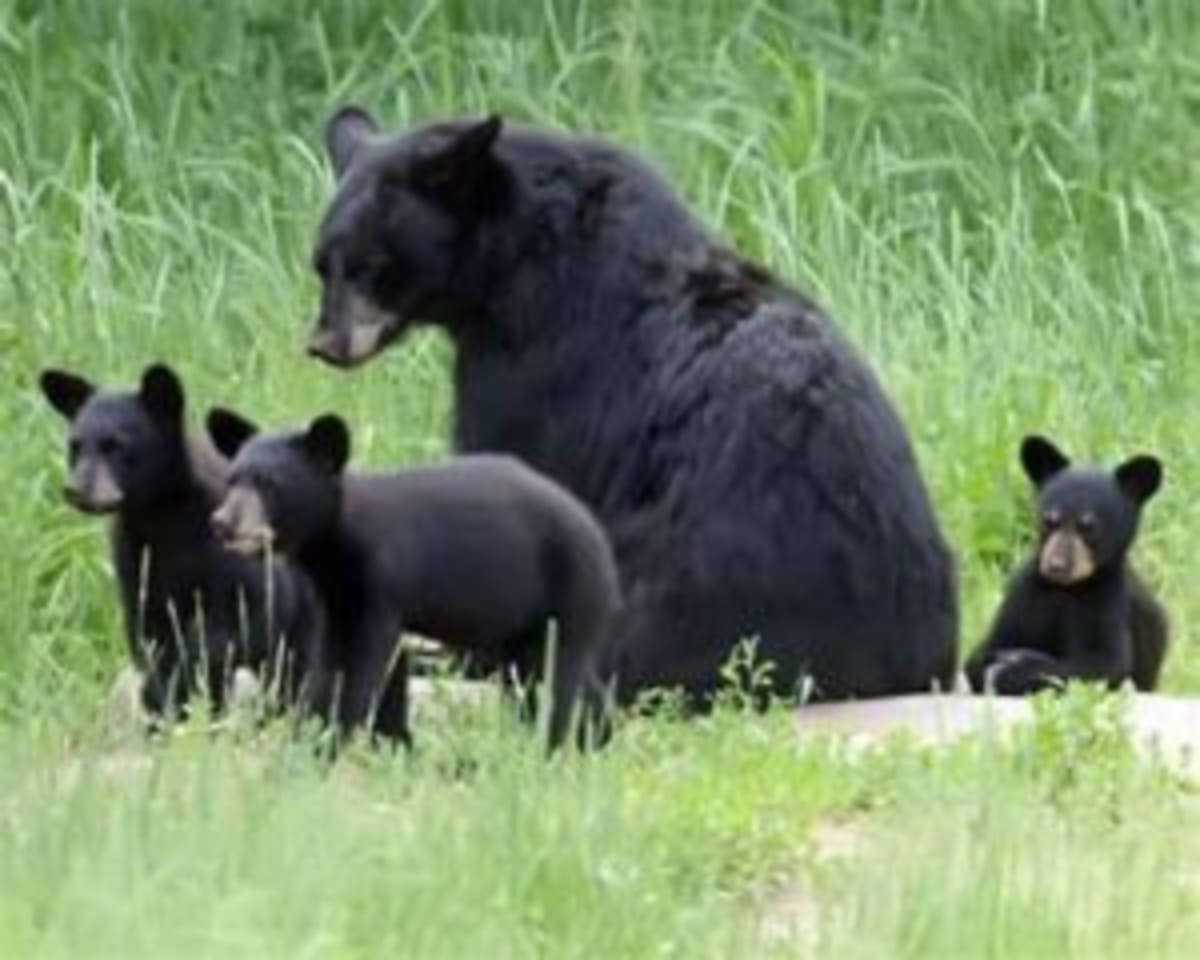
Kentucky's black bear population has surged from near extinction to as many as 1,500 bears, growing up to 7% annually thanks to decades of science-based conservation. The recovery shows how sustainable wildlife management brings species back while helping humans and bears coexist peacefully.
After disappearing from Kentucky's forests, black bears are thriving again with up to 1,500 bears roaming the state and numbers growing every year.
The comeback story started decades ago when the Kentucky Department of Fish and Wildlife Resources began restoration efforts funded largely by hunters and anglers. Today, the population grows between 3% and 7% annually, expanding into new areas across the state.
This success comes from the North American Model of Wildlife Conservation, a uniquely effective system that treats wildlife as a public resource managed through science. The model has brought back numerous species across the continent by combining research, sustainable use, and community investment.
Kentucky's bear recovery didn't happen by accident. Hunters and anglers contributed millions through license purchases and excise taxes that funded habitat restoration and species monitoring. In 2025 alone, members of Kentucky Backcountry Hunters & Anglers completed 22 habitat projects benefiting both game and nongame species.
The growing bear population now means more positive sightings but also increased human-bear interactions. Wildlife managers use science-based approaches to address conflicts, including non-lethal methods that help condition bears to avoid populated areas. These techniques prevent situations from escalating to the point where bears would need to be removed.
The Ripple Effect
Kentucky's bear success story shows what's possible when communities commit to conservation over the long term. The same model that restored black bears has helped recover white-tailed deer, wild turkeys, and waterfowl populations across North America.
The investment continues paying dividends beyond wildlife. Healthy bear populations indicate thriving forests and ecosystems that benefit countless other species. These restored habitats provide clean water, recreational opportunities, and natural spaces for all Kentuckians to enjoy.
The cultural connection matters too. Outdoor traditions that connect people to the land have been part of Kentucky's identity since Daniel Boone's time. When communities stay engaged with wildlife and wild places, they become invested in protecting them for future generations.
The constitutional protection for conservation in Kentucky ensures these efforts remain grounded in science and sustained by people who want wildlife to thrive. New participants continue joining the conservation movement, bringing fresh perspectives while building on proven principles.
From nearly vanishing to 1,500 strong and growing, Kentucky's black bears prove that thoughtful, science-based conservation creates lasting wins for wildlife and people alike.
More Images

Based on reporting by Google News - Conservation Success
This story was written by BrightWire based on verified news reports.
Spread the positivity!
Share this good news with someone who needs it