Kenya Builds Payment System to Power Digital Economy Boom
Kenya proved mobile money works with M-PESA, but now faces a bigger challenge: connecting banks, fintechs, and wallets into one seamless system. Companies like Kenswitch are building the invisible infrastructure that could make Kenya's $62 billion digital economy truly work for everyone.
Kenya's mobile money revolution changed millions of lives, but the country's next financial breakthrough is happening behind the scenes.
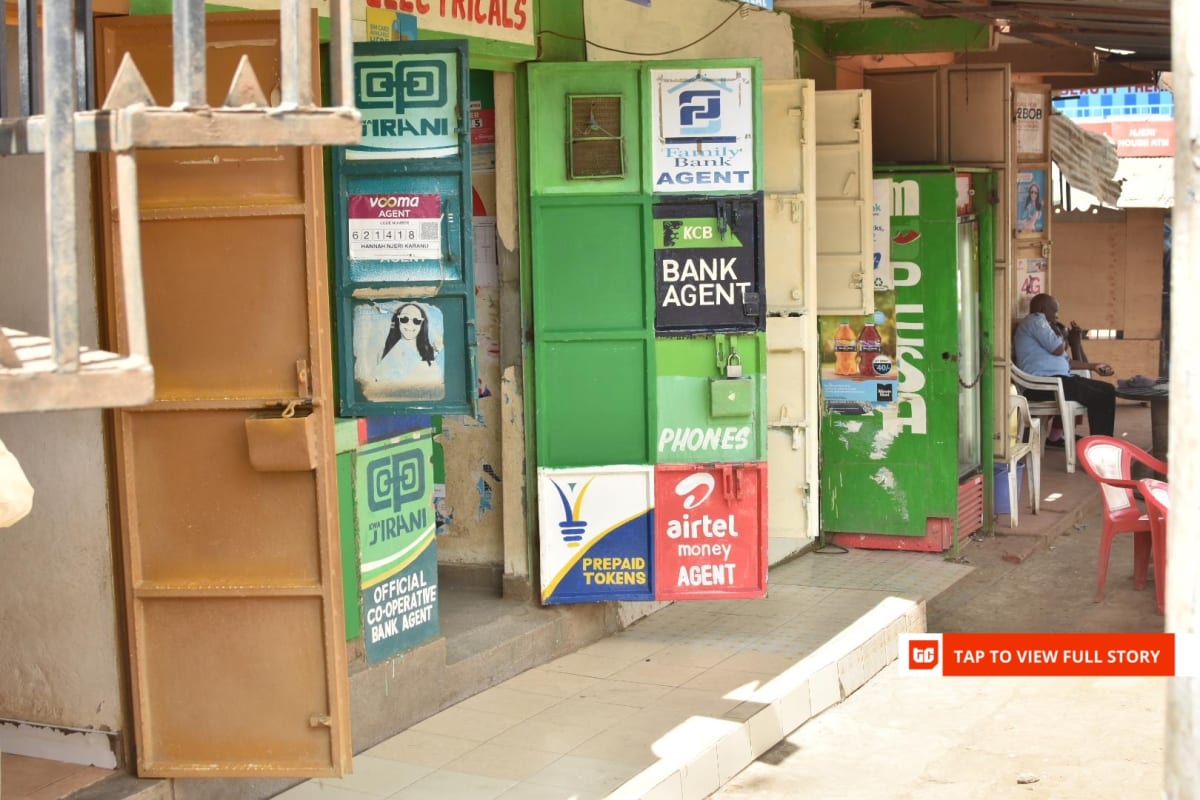
After transforming from cash to digital payments through M-PESA, Kenya now processes $62 billion in mobile money transactions annually. Yet merchants still juggle multiple accounts to accept payments, customers wait days for failed transaction reversals, and small businesses spend hours reconciling payments from different providers.
The problem isn't access anymore. It's that banks, mobile wallets, and fintechs built separate systems that don't talk to each other well. A Nairobi supermarket might receive money instantly from one provider but wait hours for another, even though both customers paid digitally.
That's where switching infrastructure comes in. Think of it as the invisible plumbing that lets different financial institutions exchange money instantly and securely. Companies like Kenswitch route transactions between banks, SACCOs, mobile wallets, and merchants, making the whole ecosystem work together.
This matters because Kenya's digital economy is exploding beyond simple money transfers. Ride-hailing, e-commerce, streaming services, digital lending, and government payments all need instant, reliable infrastructure. The systems built for 2007's mobile money boom can't handle what's coming in 2030.
Kenya now has banks, fintechs, telecom operators, microfinance groups, and remittance companies all trying to move money between each other. Without shared infrastructure, they remain isolated islands in an increasingly connected world.
The Ripple Effect
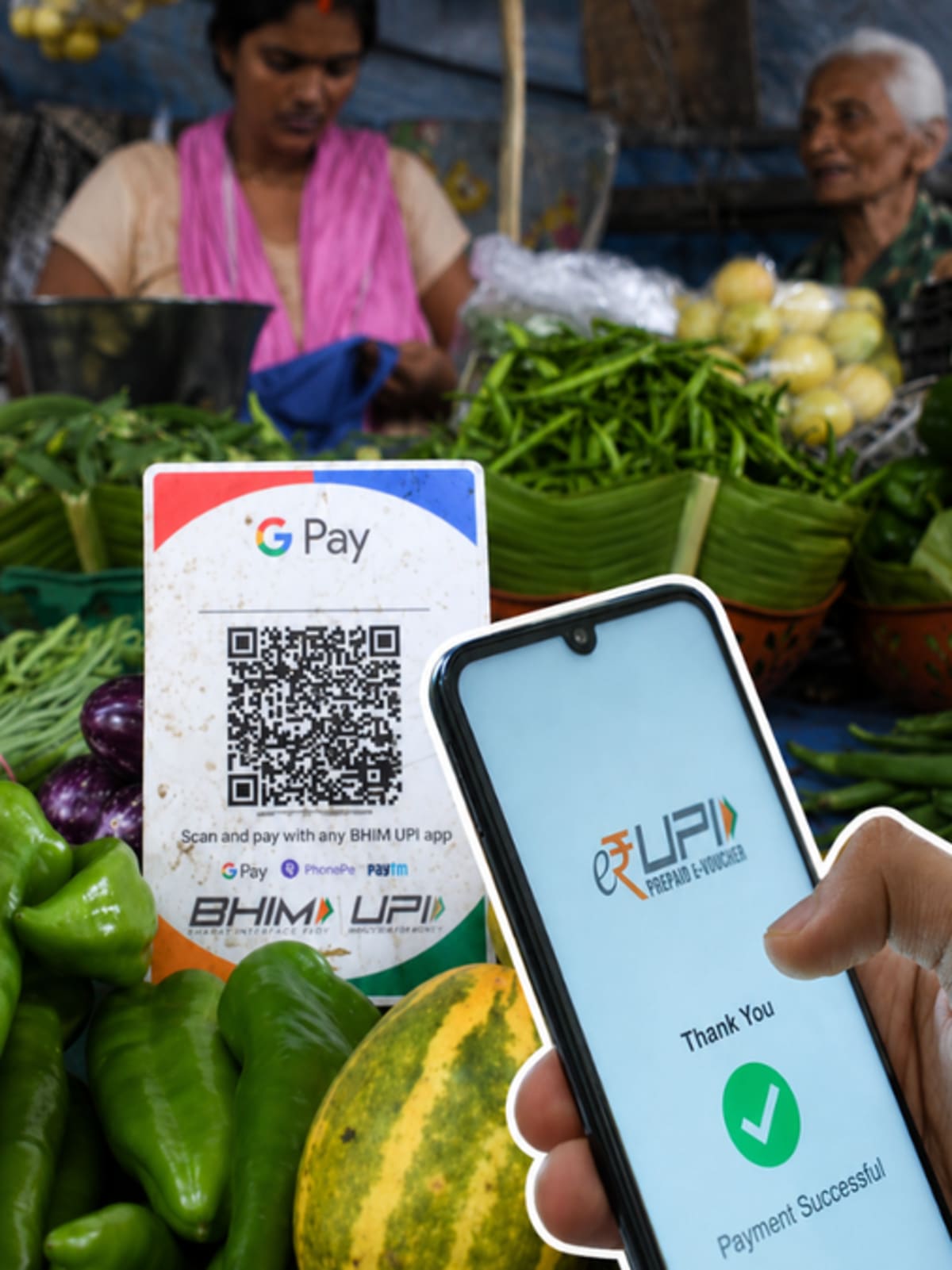
Other countries already proved this approach works. India's UPI didn't eliminate banks but created shared rails that let banks, fintechs, and apps innovate together. Brazil's Pix shifted competition from who owns payments to who delivers the best customer experience.
Kenya solved financial inclusion with mobile money. Now it's tackling the harder problem of making all those digital payments work seamlessly together. When a street vendor, online shopper, and corporate payroll can all exchange money instantly through any provider, that's when the digital economy truly takes off.
The infrastructure being built today won't grab headlines like M-PESA did, but it might matter just as much for Kenya's economic future.
More Images



Based on reporting by TechCabal
This story was written by BrightWire based on verified news reports.
Spread the positivity!
Share this good news with someone who needs it