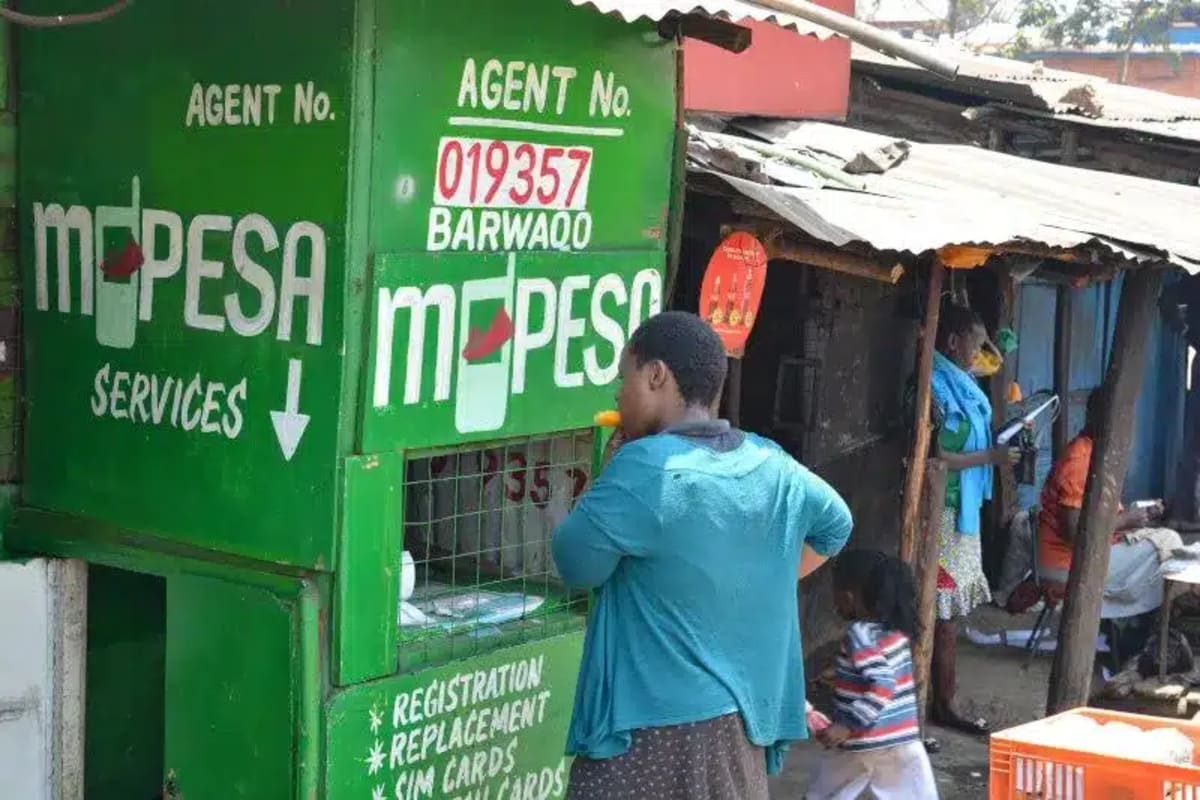
M-Pesa Hides Phone Numbers to Protect 60M Kenyans
Africa's largest mobile money platform just made fraud a whole lot harder. Starting now, M-Pesa users won't see full phone numbers during transactions, cutting off scammers at the source.
Find uplifting stories about heroes, innovations, and solutions
2419 results for "m-pesa"
Africa's largest mobile money platform just made fraud a whole lot harder. Starting now, M-Pesa users won't see full phone numbers during transactions, cutting off scammers at the source.
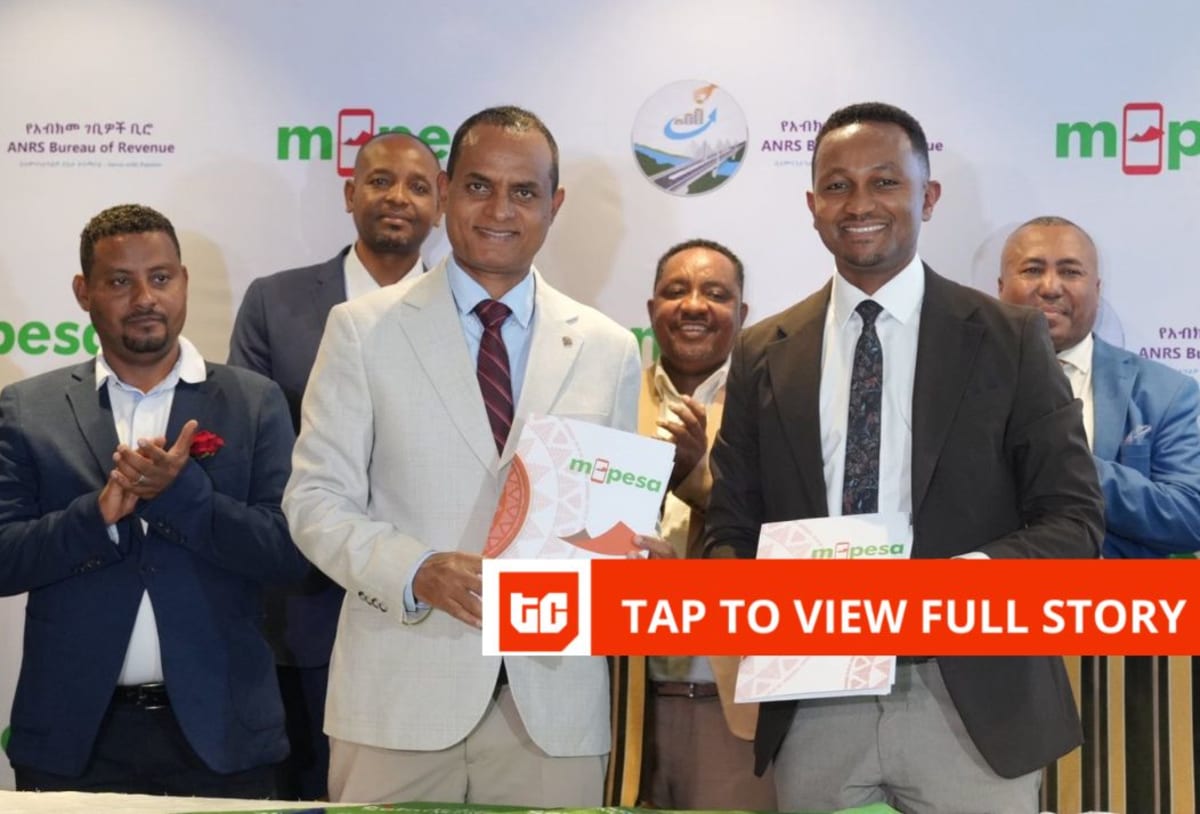
Taxpayers in Ethiopia's Amhara region can now pay their taxes using M-PESA mobile money, eliminating hours of paperwork and office visits. The partnership makes Amhara the first regional tax authority in Ethiopia to accept mobile payments.
Kenya's M-PESA mobile money platform now serves 40 million people, roughly three out of every four adults in the country. What started as a simple way to send money has become the financial backbone of an entire nation.

Kenya's mobile money platform M-Pesa now serves 60 million people monthly, powered by Chinese technology and affordable smartphones that put digital banking in everyone's hands. From Huawei's infrastructure upgrades to $30 phones flooding Nairobi, China's partnership turned a simple money transfer app into a global financial game-changer.

Sitoyo Lopokoiyit, who transformed M-PESA from a simple money transfer tool into Africa's most powerful financial super app serving 37 million users, is moving to lead personal banking at Absa Bank Kenya. His five-year journey turned mobile money into a complete financial ecosystem where millions now save, invest, and build businesses.

Kenya just approved a major privacy upgrade that could protect 37 million people from scammers. M-Pesa will now mask phone numbers during transactions, blocking fraudsters who've been stealing this data to drain bank accounts.
Kenya's largest mobile money service is protecting 37 million daily users by hiding their phone numbers from merchants and banks. The change tackles a major source of unwanted marketing and scams in Africa's busiest payments system.

Safaricom is turning its mobile money platform into a complete financial powerhouse, letting millions of Kenyans invest in stocks with just their phones. With AI fraud protection and 100 million daily transactions, the company is proving Africa's digital revolution is here.
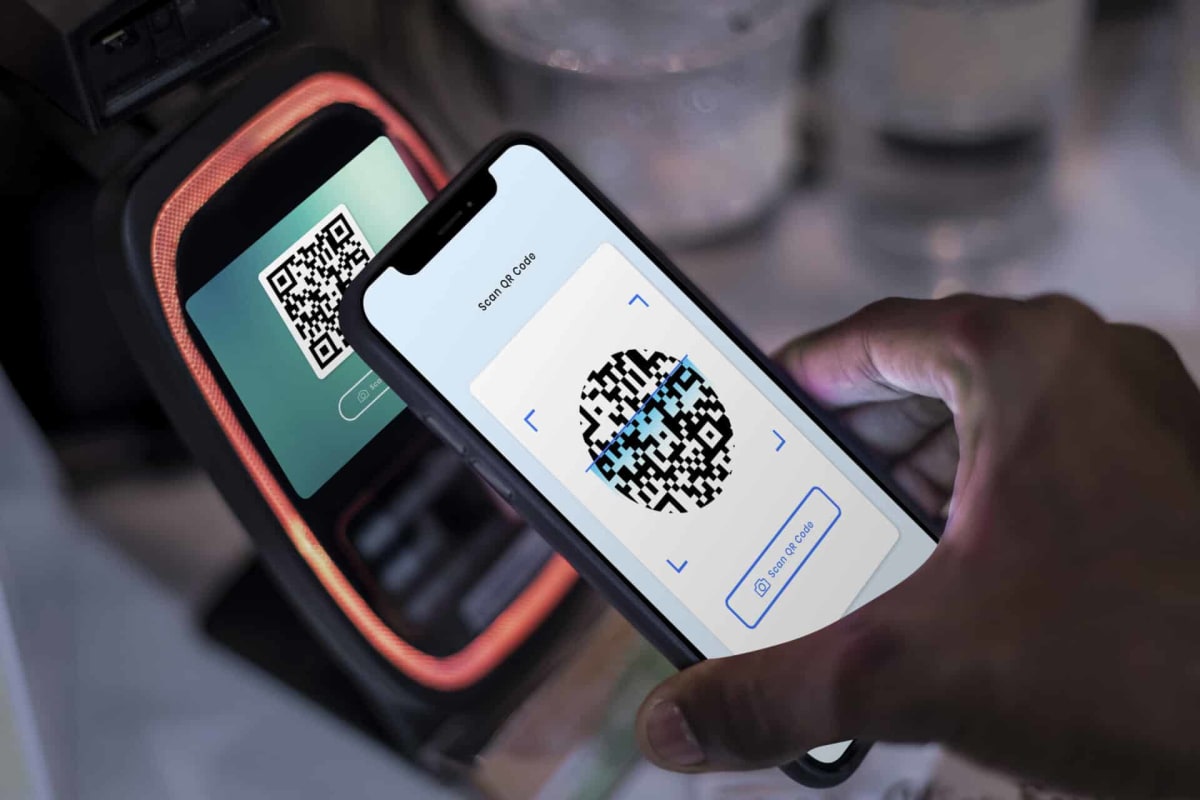
Millions of Tanzanians can now pay for groceries, transport, and goods by simply tapping their phones—no card, no PIN, no waiting. Vodacom's M-Pesa just made mobile wallets work like contactless bank cards, and it could change how an entire continent shops.

Montgomery Bohde becomes the first Texas A&M student ever to win the prestigious Churchill Scholarship, earning a full ride to Cambridge University. The computer science whiz is using machine learning to discover new medical treatments.

A Texas A&M freshman just ran the second-fastest indoor 800 meters by a first-year student in NCAA history, part of a record-breaking day where four athletes rewrote their school's history books. Peter Narumbe's incredible 1:46.13 finish marks his fourth straight win to start his college career.
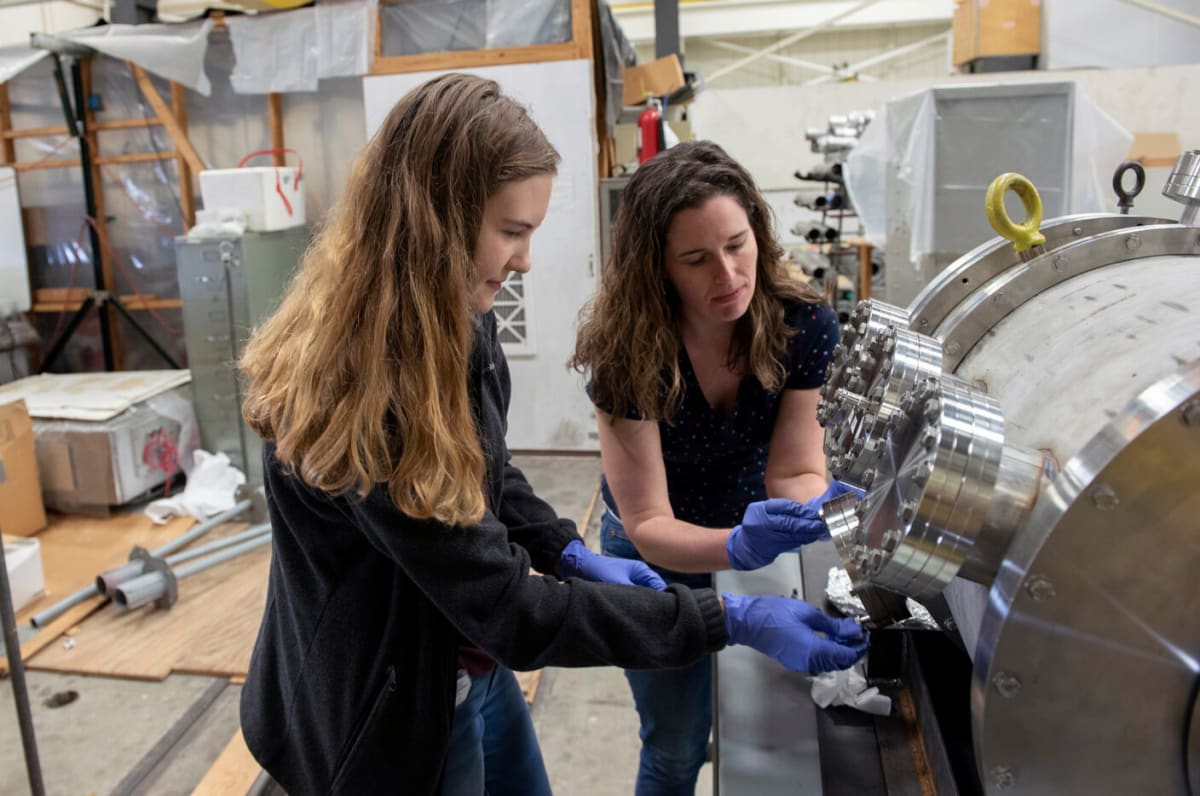
Texas A&M University has joined the Genesis Mission, a groundbreaking national initiative using artificial intelligence to transform scientific discovery. Four university projects will help tackle critical challenges in energy, mineral security, and nuclear technology.

Florida A&M University's golf team dominated the PGA WORKS Collegiate Championship, led by injured sophomore star Sascha Robinson who powered through pain to clinch victory. The Rattlers won by 12 shots in their third national title, proving perseverance pays off. ##
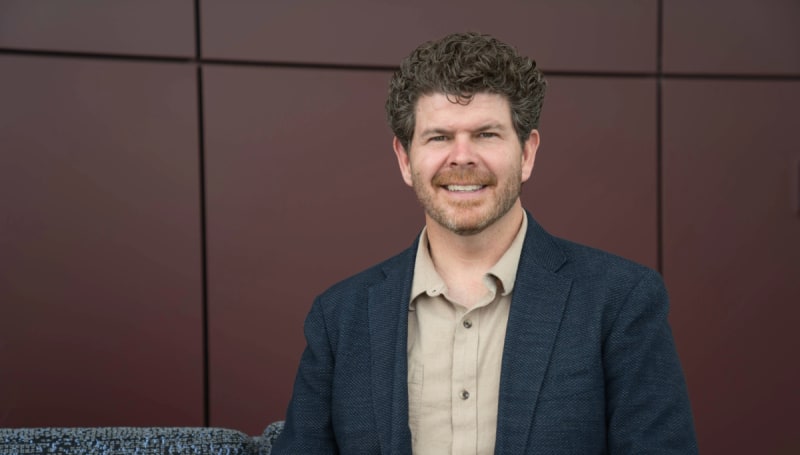
Texas A&M's Mays Business School just opened a new center teaching students to build and buy real companies using AI tools. Students will work on actual ventures, not just business plans.
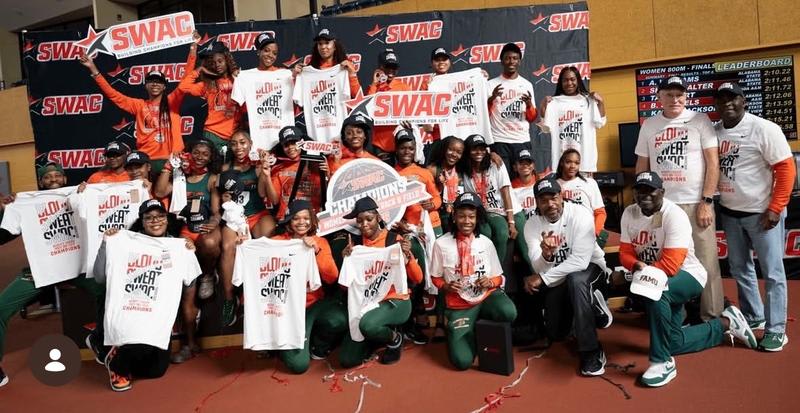
Florida A&M's track and field teams dominated the 2026 SWAC Indoor Championships, with both squads claiming victories behind standout performances across every event category. The women defended their title with 131 points, while the men stacked wins from sprints to throws.

Texas A&M defeated Auburn 4-1 to capture the 2026 NCAA Division I women's tennis championship, claiming their second national title since 2024. The Aggies bounced back from last year's runner-up finish with a dominant tournament run that ended at the Dan Magill Tennis Complex in Georgia.
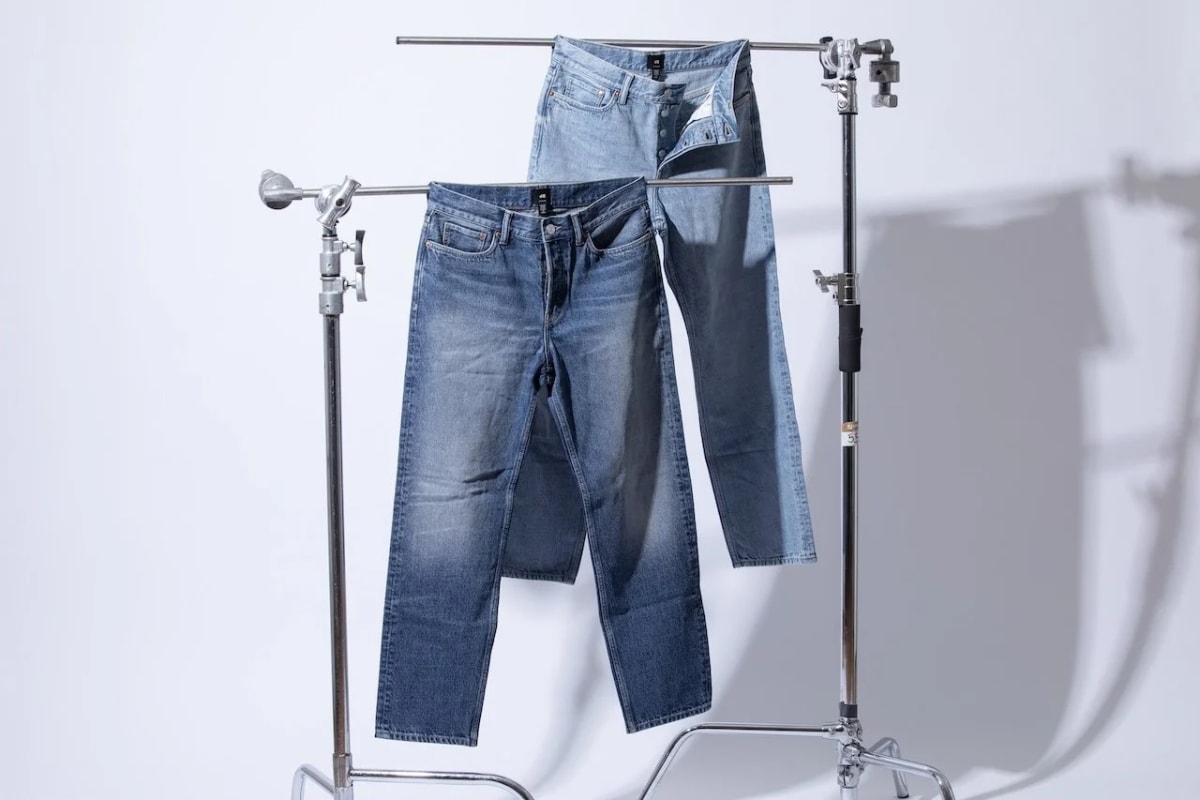
Your old t-shirts could become your new favorite jeans. H&M just launched a men's denim collection made with fibers recycled from textile waste, proving sustainable fashion can work at global scale.
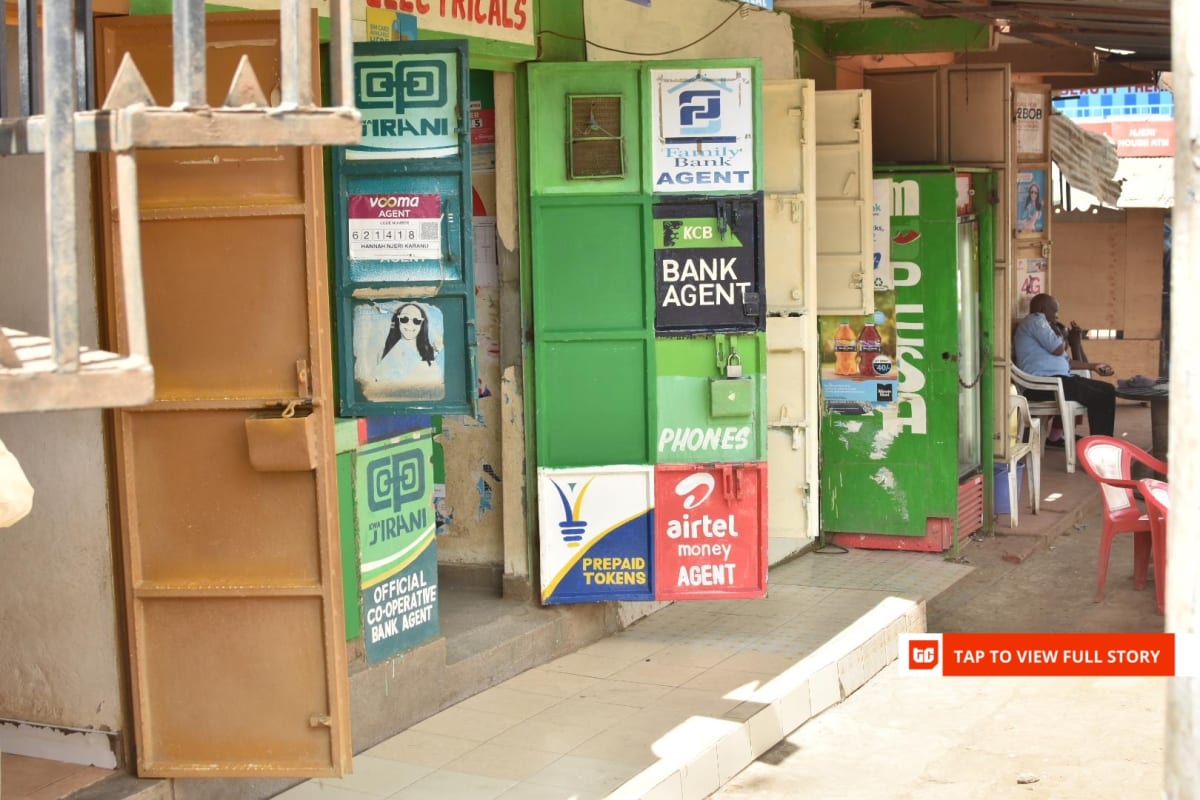
Kenya proved mobile money works with M-PESA, but now faces a bigger challenge: connecting banks, fintechs, and wallets into one seamless system. Companies like Kenswitch are building the invisible infrastructure that could make Kenya's $62 billion digital economy truly work for everyone.
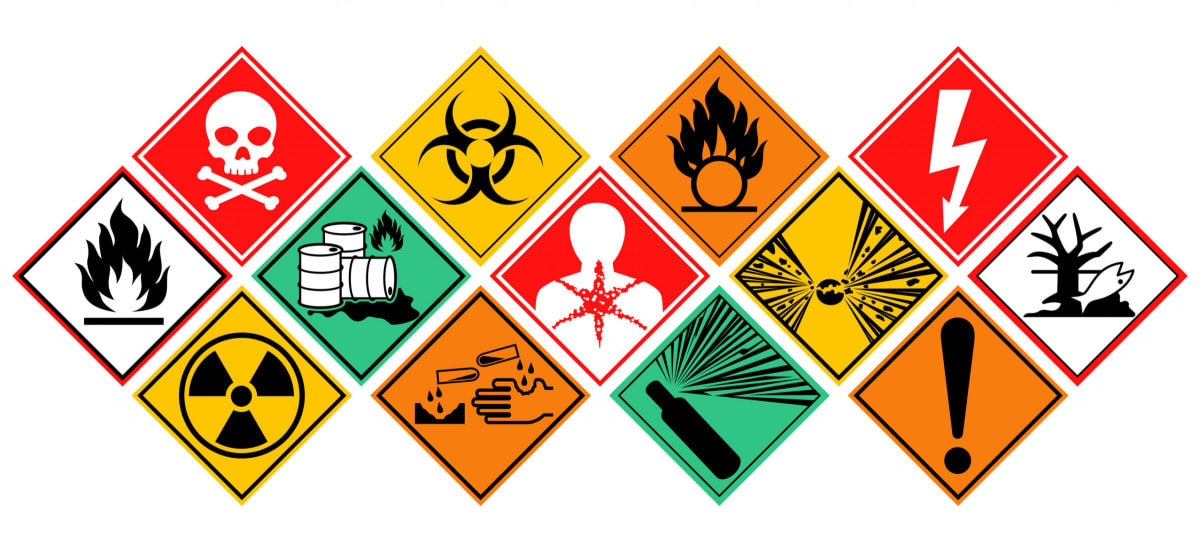
Scientists at Texas A&M are using artificial intelligence to predict which of thousands of untested chemicals around us might be harmful. The breakthrough tool doesn't just make predictions—it tells researchers how confident it is in each answer.
Mobile money, fintech innovation, and remote work platforms are creating unprecedented economic opportunities across Africa, even as infrastructure challenges persist. From Kenya's M-Pesa reaching 70 million users globally to designers in Lagos landing clients worldwide, Africa isn't just joining the digital economy—it's reshaping it.
Showing 20 of 2419