Kenya Gives Investigators Power to Seize Crypto Wallets
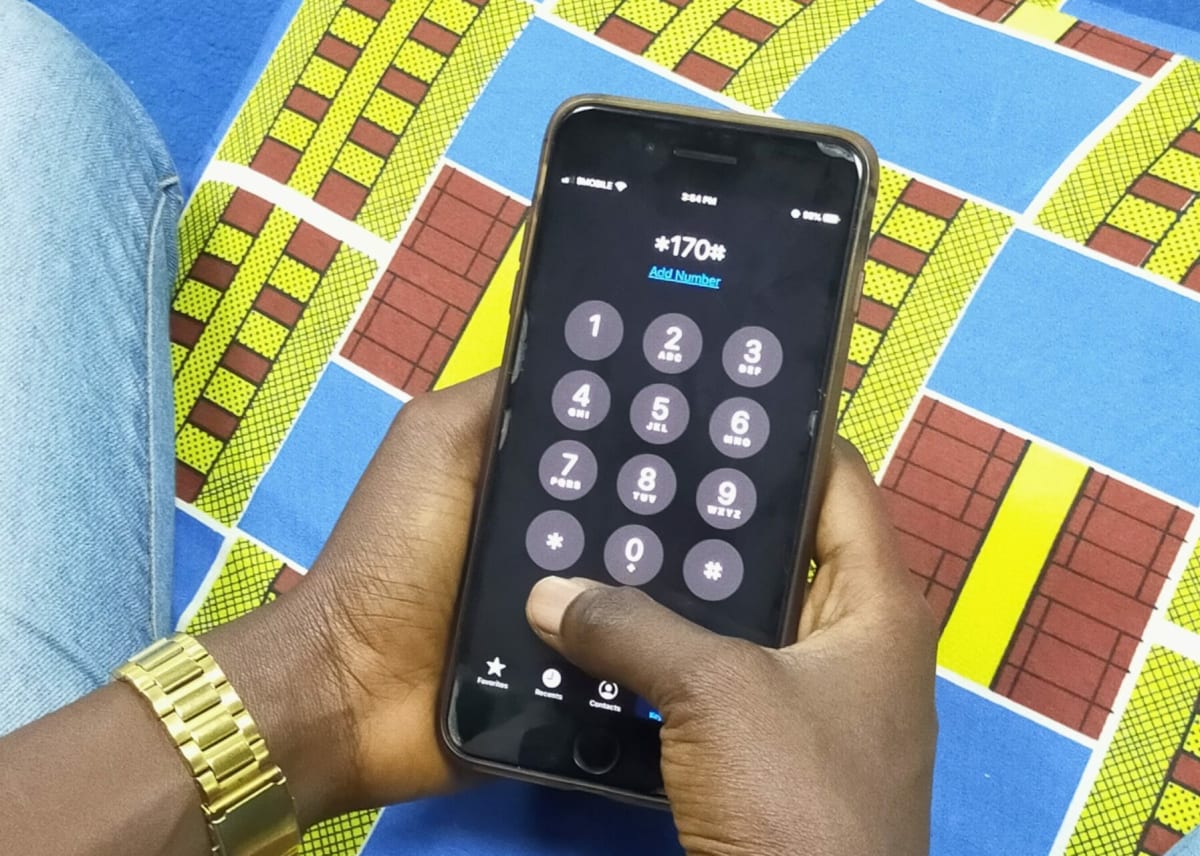
Kenya just closed a major loophole in fighting financial crime. New regulations now let investigators seize cryptocurrency wallets linked to fraud, money laundering, and terrorism with court approval.
For years, Kenyan investigators could spot suspicious crypto transactions but couldn't do much about them. That frustrating gap just closed with new regulations that give authorities real teeth in the digital world.
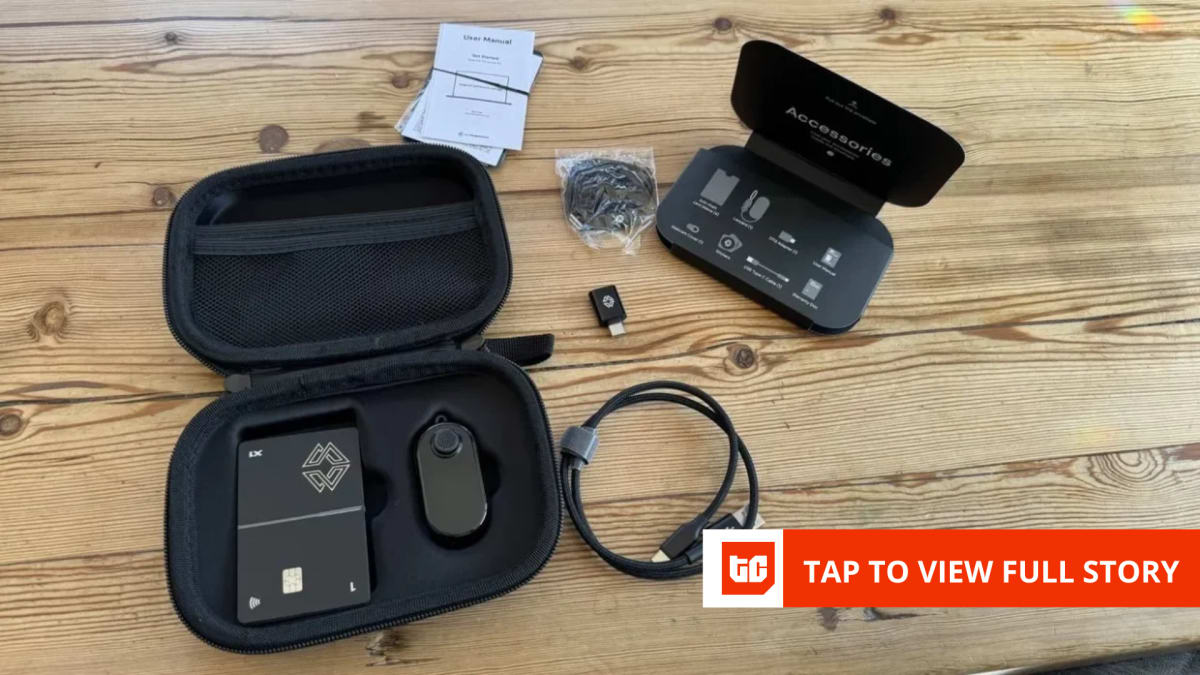
The Virtual Asset Service Providers Regulations, which took effect in July, allow investigators to seize physical devices, hardware wallets, and even seed phrases (the 12 or 24-word recovery codes that unlock crypto assets). With court approval, authorities can now access and control digital currencies connected to fraud, corruption, money laundering, and terrorism financing investigations.
Kenya already had strong laws for freezing traditional bank accounts. But crypto wallets stored offline existed in a legal gray zone, visible to investigators yet frustratingly out of reach.
The new framework fixes that problem. Licensed crypto exchanges must now freeze accounts when ordered, grant investigators access to premises, and help transfer suspected assets to secure government-controlled wallets. Companies that refuse face serious consequences: fines up to $62,000 and five years in prison for individuals, or $62,000 for corporations.
The regulations tackle another tricky problem: crypto's wild price swings. A token worth millions when frozen could lose half its value before a case wraps up. Investigators can now convert frozen crypto into stable currency during investigations to preserve evidence value.
The Ripple Effect
This move positions Kenya as a continental leader in crypto enforcement. The country is working to exit the Financial Action Task Force's grey list, a designation for nations with weak money laundering controls. By bringing crypto exchanges, wallet providers, and stablecoin issuers into a proper licensing regime, Kenya meets global standards while protecting its citizens.
The regulations apply to any platform operating "in or from Kenya," even without a physical office. If a crypto service targets Kenyan users or earns income from the country, these rules apply.
Kenya's crypto market grew mostly through peer-to-peer trading with little oversight. These regulations change that reality. The April operation that froze several Binance accounts linked to suspected crimes showed both the need and the previous limitations of enforcement.
Now investigators can treat the physical backups behind a wallet as evidence, search for them, seize them, and use them to secure the assets inside. Kenya is building one of Africa's most robust frameworks for balancing innovation with accountability in the digital finance space.
More Images

Based on reporting by TechCabal
This story was written by BrightWire based on verified news reports.
Spread the positivity!
Share this good news with someone who needs it