Kenya Slashes EV Taxes to Speed Clean Transport Shift
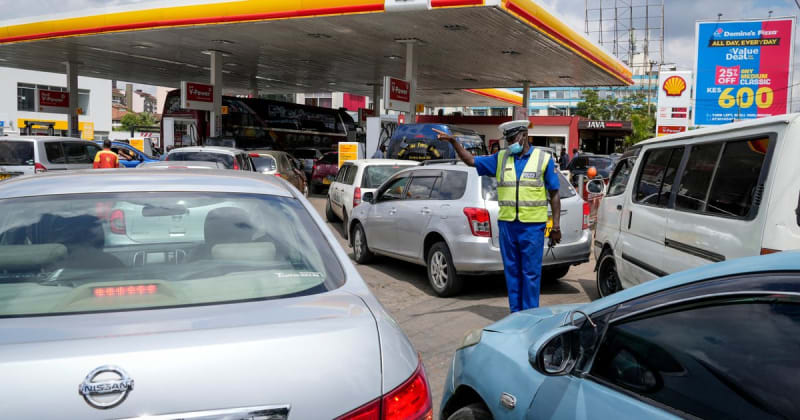
Kenya is rolling out major tax breaks on electric vehicle parts and charging stations to accelerate its shift away from fossil fuels. The East African nation has already seen its EV registrations surge from 796 to nearly 25,000 in just three years.
Kenya just made it significantly cheaper to go electric, and the results could transform transportation across East Africa.
The government announced sweeping tax incentives starting this July, including full exemptions on value-added taxes and excise duties for EV parts and charging infrastructure. By 2027, even the stamp tax for new charging stations will drop, making it easier for businesses to invest in clean transportation.
Transport Cabinet Secretary Davis Chirchir framed the move as essential for both climate action and economic growth. "Electric mobility is crucial to reducing greenhouse gas emissions, decreasing reliance on imported fossil fuels, and fostering economic growth through local manufacturing and job creation," he said.
The timing reflects Kenya's ambitious climate commitments under the Paris Agreement, which includes cutting greenhouse gas emissions by 32 percent by 2030. With transport being a major contributor to carbon emissions, electric vehicles have become a key strategy.
The policy is already working. From 796 registered EVs in 2022, Kenya now has 24,754 electric vehicles on its roads in 2025, driven largely by motorcycles, buses, and fleet vehicles in cities like Nairobi. The government itself plans to add 3,000 electric vehicles to its ministries by the end of next year.
Analysts forecast that electric vehicle sales could match gas and diesel vehicle sales by 2042, a massive structural shift for Kenya's transport system. That transition has caught the attention of other African nations watching Kenya's experiment closely.
The Ripple Effect
Kenya isn't alone in pursuing electric mobility, but it's moving faster than most African countries. Rwanda and Egypt have introduced similar incentives, though many nations are still focused primarily on electric buses and two-wheelers rather than full fleet transitions.
The policy could create thousands of manufacturing jobs as local assembly operations expand to meet demand. Companies involved in EV production already benefit from corporate income tax relief and tax holidays, making Kenya an attractive destination for green technology investment.
There's one significant challenge: Kenya relies heavily on fuel taxes to maintain roads and fund transport services. The government estimates a $693 million shortfall in fuel tax collections by 2043 as electric vehicles replace gas-powered ones. Officials are already exploring alternatives like road-use charges and electricity-based levies at charging stations to fill that gap.
Principal Secretary for Transport Mohammed Daghar sees the bigger picture. "We have now laid the foundation for a cleaner, more efficient, and more sustainable transport system that fully aligns with our climate commitments," he said.
Kenya's bold bet on electric mobility shows how developing nations can leapfrog older technologies and build cleaner infrastructure from the ground up.
More Images

Based on reporting by Google News - Electric Vehicle
This story was written by BrightWire based on verified news reports.
Spread the positivity!
Share this good news with someone who needs it