Kenya Women Get New HIV Prevention Tools in Kisumu
A volunteer advocate in Kisumu, Kenya, is walking women to clinics and helping them access discreet HIV prevention that's closing the gender gap. Long-acting options are making it easier for women to protect their health without stigma.
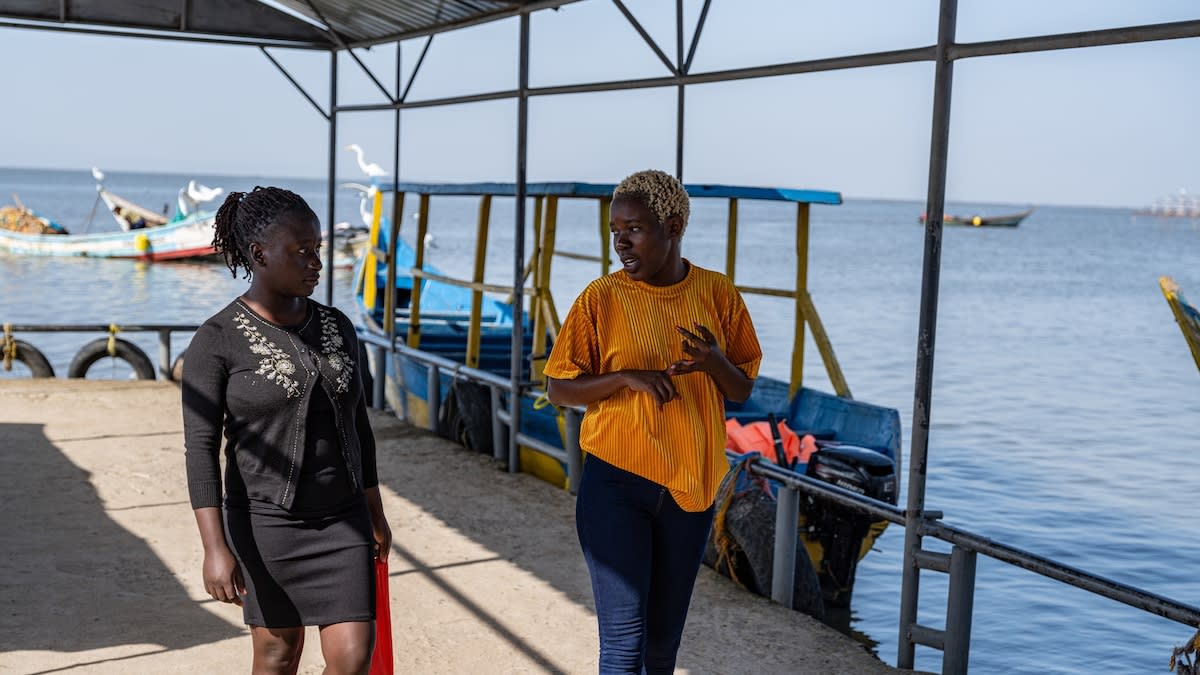
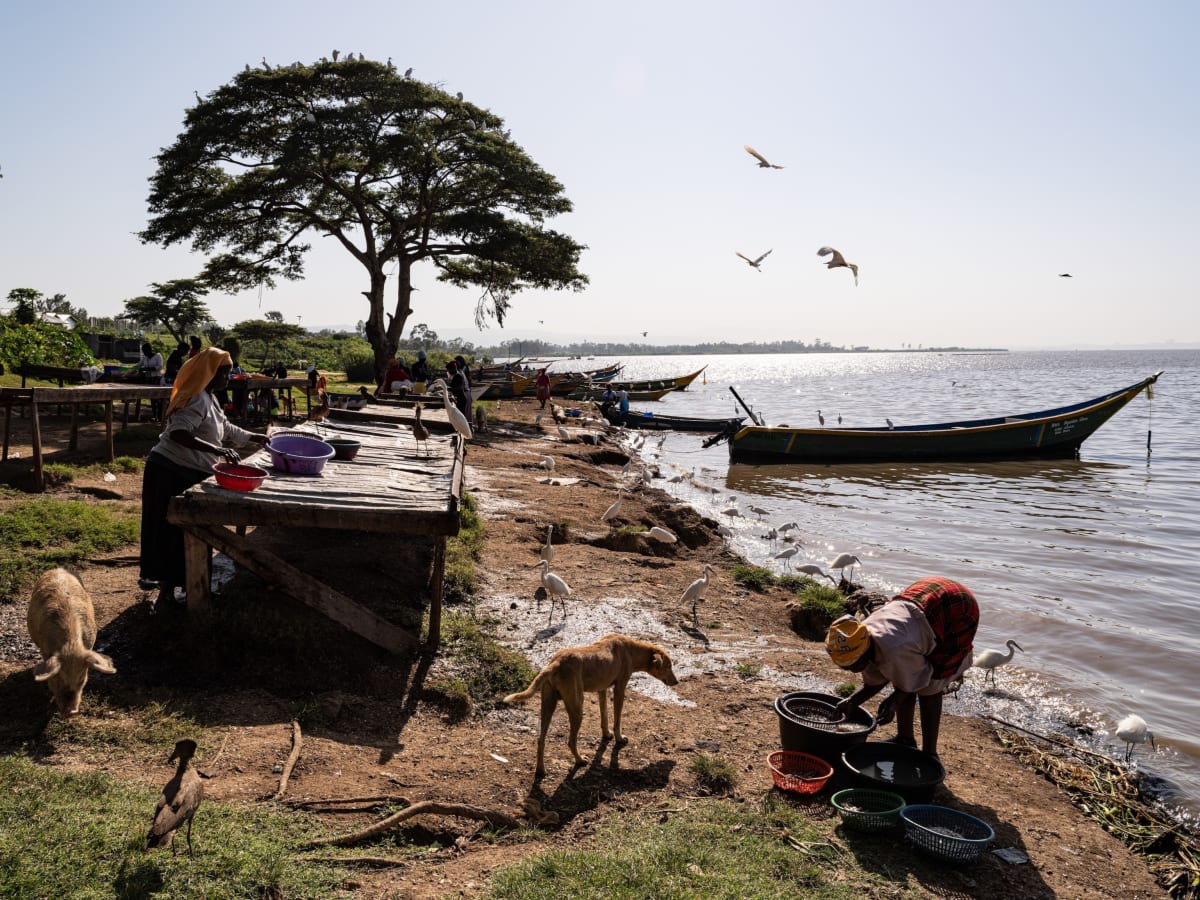
Brenda Odera spends 40 hours a week walking the shores of Dunga Beach in Kisumu, Kenya, having conversations that save lives. She's helping young women access HIV prevention tools that didn't exist a generation ago.
Kenya has slashed its HIV infection rate by more than 80% in just one decade. But women still account for more than half of all new cases, facing unique barriers that make prevention harder to access.
Odera works as a volunteer "PrEP champion," talking to women about pre-exposure prophylaxis. PrEP is medication that prevents HIV infection before exposure, available as daily pills or newer long-acting options given discreetly at clinics.
In Kisumu, Kenya's third-largest city and a busy fishing hub on Lake Victoria, economic pressures and mobility create complex prevention challenges. Women often can't negotiate condom use, may live in crowded one-room homes where pills can't be hidden, and face stigma for visiting clinics.
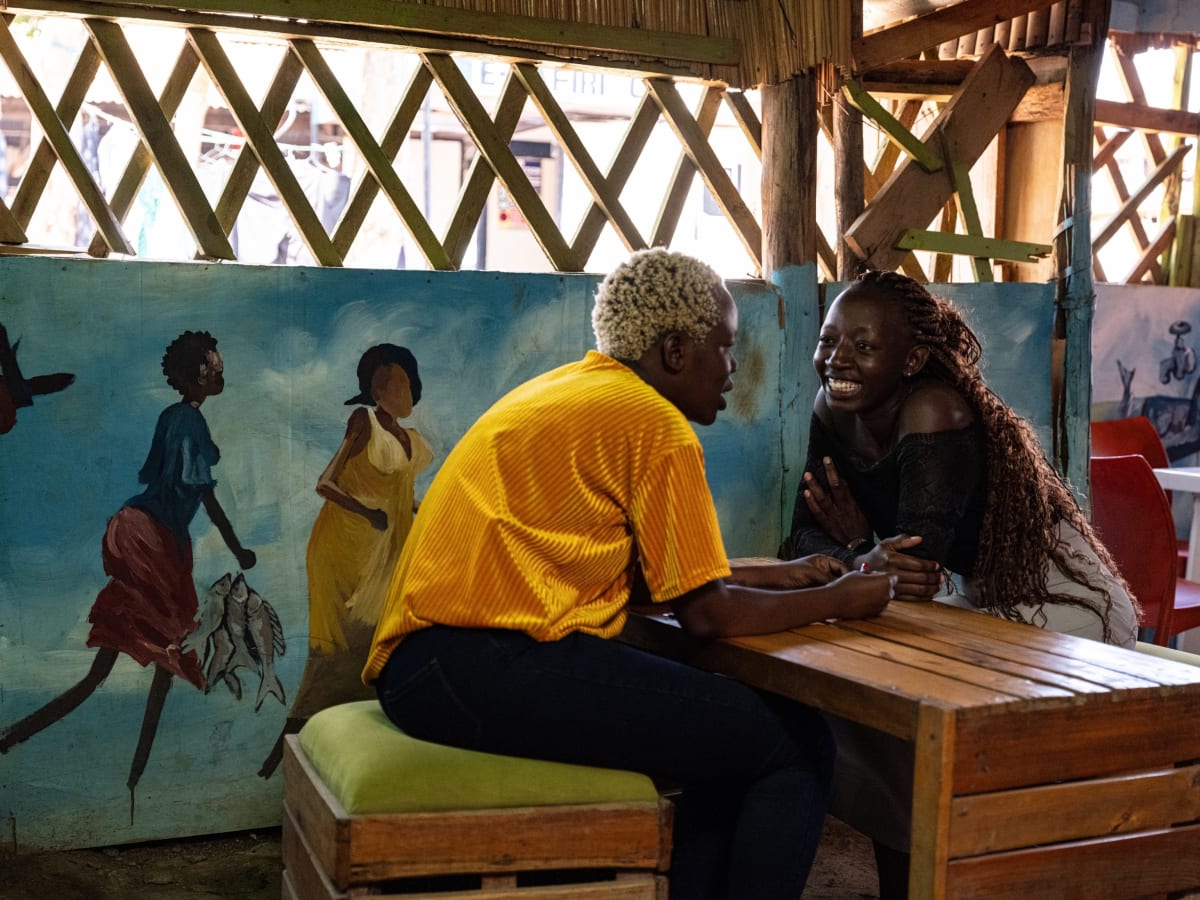
That's where Odera steps in. She starts conversations, answers questions, and often walks women directly to Lumumba Sub-County Hospital herself.
Dr. Jared Olwal, who runs the PrEP clinic there, noticed almost no women under 25 were seeking prevention until Odera started building that bridge. The new long-acting options have been transformative because women can receive treatment privately without taking anything home.
The Ripple Effect
This grassroots approach is part of a larger movement led by advocates, clinicians, and researchers across Kenya. Florence Riako Anam, who lives with HIV and co-leads the Global Network of People Living with HIV, says community voices make prevention systems move faster.
She remembers when HIV was called "a disease for bad women," ignoring the systemic reasons behind infection rates. Now prevention is being reframed as self-care and agency, not judgment.
Professor Elizabeth Bukusi, Chief Research Officer at the Kenya Medical Research Institute, notes that biology makes women more vulnerable to HIV infection. Combined with financial dependence and limited employment opportunities, prevention becomes even more critical.
The shift is happening through partnerships between community advocates like Odera, medical providers like Dr. Olwal, and organizations supporting both. They're meeting women where they are, removing barriers, and offering choices that fit real lives.
Bukusi's hope is simple but powerful: that her granddaughters won't face what her generation faced. With advocates like Odera having thousands of conversations, one beach at a time, that future is becoming real.
More Images

Based on reporting by Google News - Health Breakthrough
This story was written by BrightWire based on verified news reports.
Spread the positivity!
Share this good news with someone who needs it