Kenyan Robot Translates Speech to Sign Language for Students
A 21-year-old Kenyan inventor built a robot that turns classroom lessons into sign language in real time, opening STEM education to deaf students. Qualcomm just selected his startup for elite mentorship alongside nine other African innovators.
📺 Watch the full story above
Maxwell Opondo is 21 years old and he's teaching robots to speak sign language so deaf students can finally learn science and math.
His Nairobi-based startup Zerobiotic just earned a spot in Qualcomm's 2026 Make in Africa programme, beating out 1,200 applications from across 45 African countries. Kenya sent only one representative this year, and it's him.
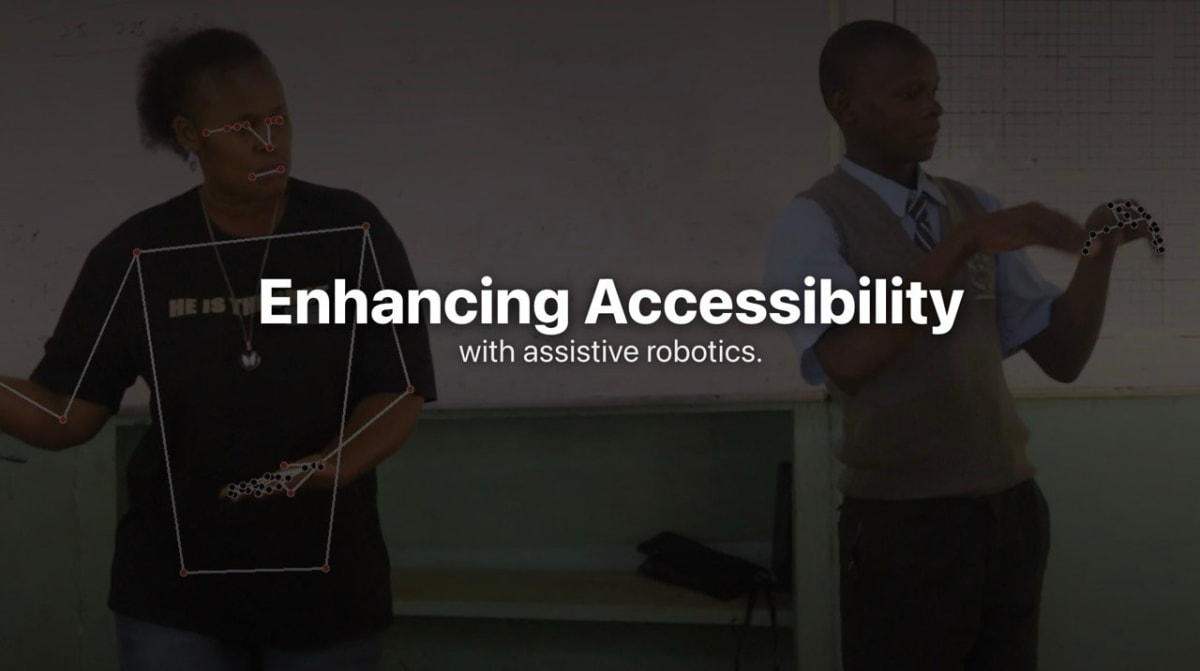
Here's what Zerobionic actually does. Opondo builds 3D-printed robotic prosthetic arms from recycled plastic waste that sit in classrooms and translate teachers' words into sign language as they speak. The system works both ways, converting sign language back into speech too.
The robots hit 92% accuracy in translation. That matters because across Kenya and much of Africa, deaf students rarely get access to STEM subjects since most schools lack interpreters and adapted teaching materials.
Zerobionic has already tested the robots in schools across Garissa, Machakos, and Kirinyaga counties. Teachers reported something remarkable: deaf students who'd shown zero interest in science suddenly started engaging with STEM subjects after the robots arrived.
Opondo describes Zerobionic as "disability-led," meaning people with disabilities aren't just the beneficiaries but active partners in building the technology. The 21-year-old Strathmore University innovator already won the Young Tech Innovator Award at the 2025 Africa Tech Summit and a Gold award at the 2024 Reimagine Education Awards.
The Ripple Effect
Qualcomm's programme isn't your typical startup accelerator. Selected companies get hands-on engineering mentorship, product design guidance using AI platforms, and something African startups rarely access: structured intellectual property training and patent filing support worth up to $5,000 per company.
The other nine startups in this year's cohort reflect a similar pattern. They're building solar-powered fish feeders in Uganda, Braille keyboards in Zimbabwe, smart water monitors in Tanzania, and AI-driven EV chargers in Namibia. These aren't software apps. They're physical products solving real problems in challenging environments.
Qualcomm has run this programme for four years now, consistently selecting hardware-focused African startups working with AI, robotics, and connectivity. Last year's winner, Kenya's Farmer Lifeline, built solar-powered devices that detect crop pests directly in fields.
One startup from this year's cohort will win a Social Impact Fund grant at the programme finale later in 2026.
For now, Opondo and his team get a year of mentorship to refine robots that are quietly breaking down barriers between deaf students and the STEM careers they deserve.
Based on reporting by Regional: africa innovation startup (ZA)
This story was written by BrightWire based on verified news reports.
Spread the positivity!
Share this good news with someone who needs it