Kenya's Lake Turkana: Centuries of Adaptation, Modern Hope
Indigenous communities around Kenya's Lake Turkana have survived environmental change for centuries by shifting between fishing, farming, and herding. Now, award-winning environmentalist Ikal Angelei is fighting to ensure they can keep adapting as climate challenges intensify.
For centuries, the Indigenous people of Lake Turkana in northern Kenya have mastered something the rest of us are just learning: how to thrive in a changing world.
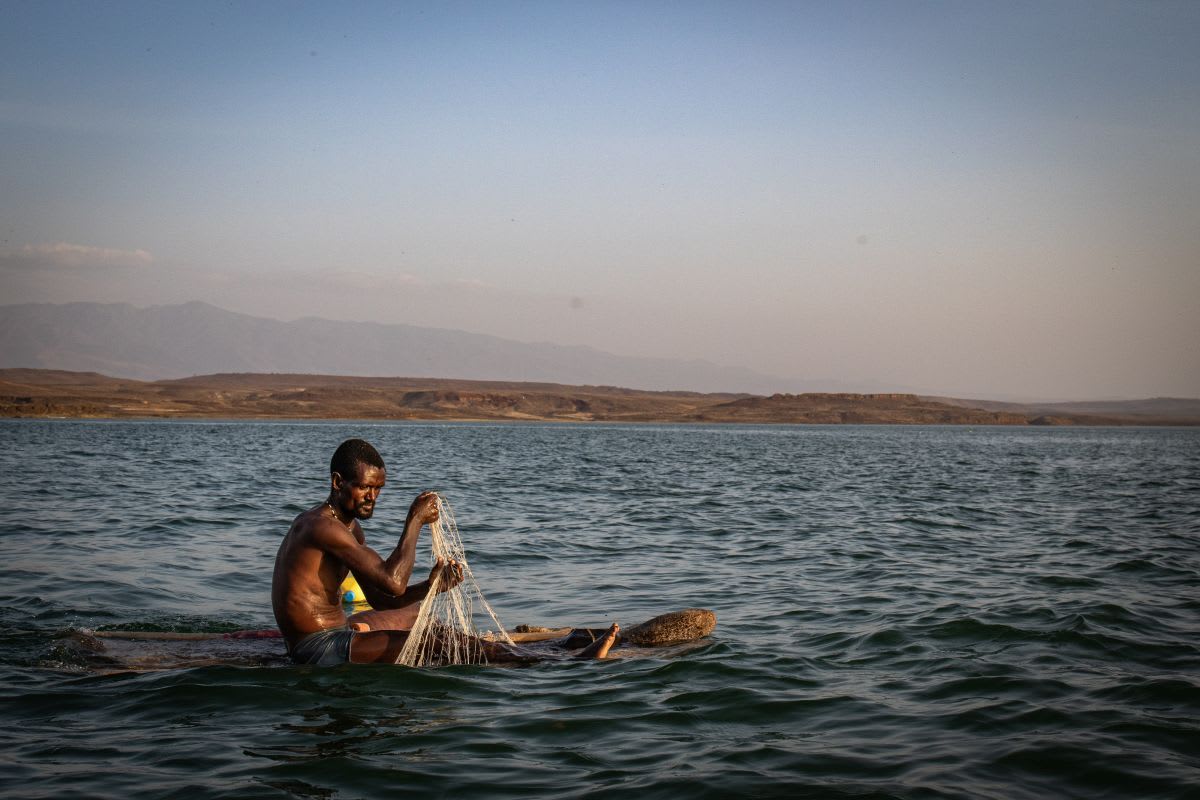
Ikal Angelei grew up watching her community move fluidly between pastoralism, fishing, farming, and trade as seasons shifted and the landscape changed. That flexibility wasn't weakness. It was wisdom.
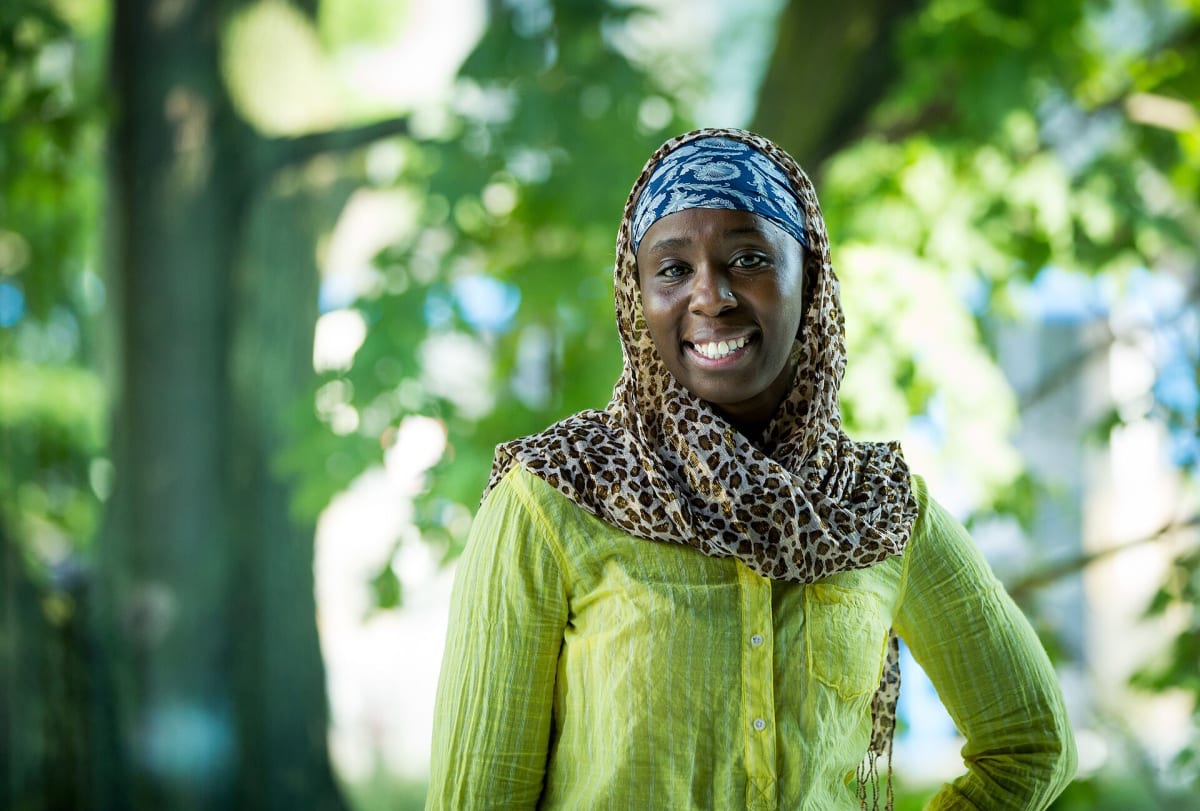
In 2008, Angelei learned that a massive dam being built upstream in Ethiopia could devastate the lake her community depends on. She founded Friends of Lake Turkana to give local voices power in decisions that would shape their future.
Her work earned her the Goldman Environmental Prize in 2012. But more importantly, it challenged the story the world was telling about her home.
"It is not just a place of crisis, but a place where that crisis has been built up over time," Angelei explains. Northern Kenya is often painted as helpless against climate change, but that narrative erases generations of successful adaptation.
The Turkana people have always known how to respond when the lake rises or falls, when rains come or don't. They've moved between livelihoods, shared resources, and supported each other through difficult times.
What's changed isn't their ability to adapt. It's the space they have to do it.
Migration routes have shortened. Grazing lands have shrunk. Traditional knowledge about preserving food has faded as aid dependency grew. Outside pressures from oil development, infrastructure projects, and fishery regulations have multiplied.
"People have always had coping mechanisms," Angelei says. "But now you have internal pressures and external ones, where programs don't necessarily speak to people's needs."
The Bright Side
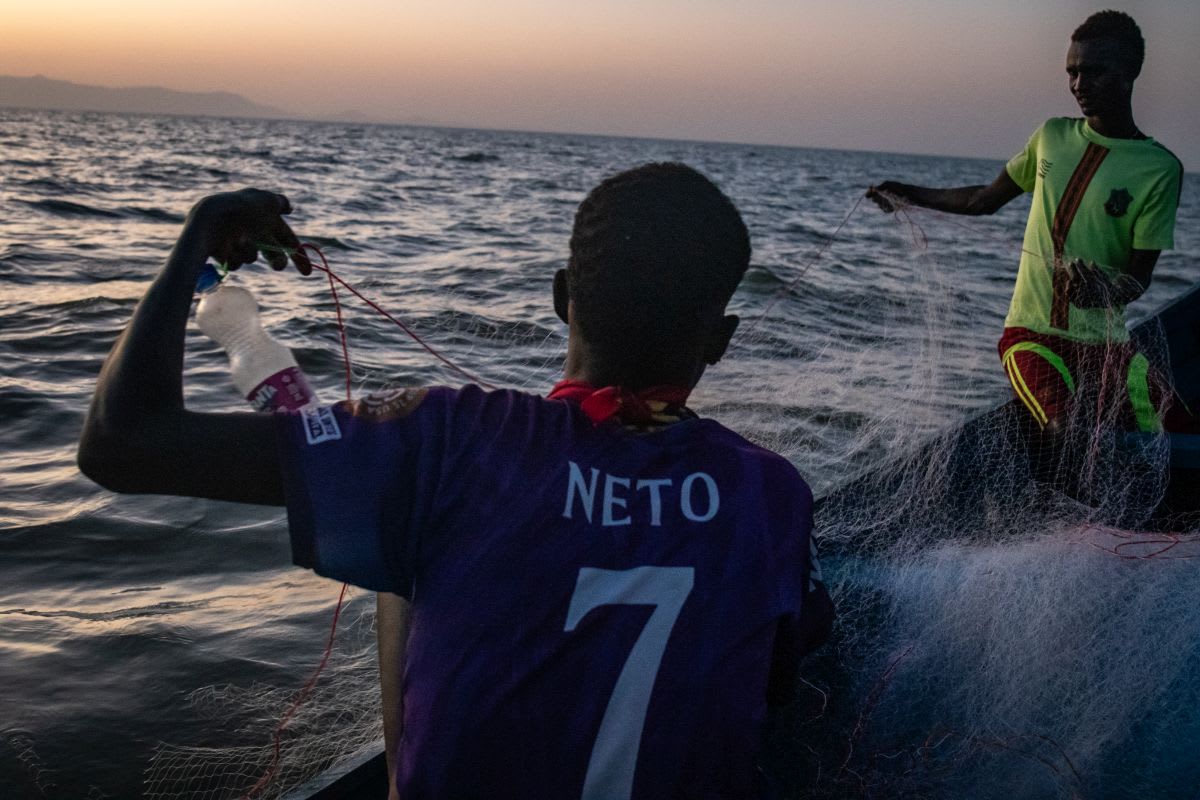
Despite mounting challenges, Angelei sees reason for hope in her community's deep reservoir of adaptive knowledge. Young people are entering fishing. Families are finding new ways to combine old strategies with modern opportunities. The same flexibility that sustained them for centuries continues today.
Angelei's organization works to ensure that as the economic value of the lake's resources grows, the poorest communities aren't pushed out. She's fighting for collective justice that recognizes what her people have always known: survival means having the freedom to move, shift, and adapt.
The lake still rises and falls as it always has. The difference now is that someone is making sure the world understands that the people who live there aren't victims waiting for rescue but experts in resilience who need their rights protected.
Their centuries of adaptation aren't just history; they're a blueprint for thriving in an uncertain future.
More Images
Based on reporting by Mongabay
This story was written by BrightWire based on verified news reports.
Spread the positivity!
Share this good news with someone who needs it