King's College Proposes AI-Human Research Partnerships
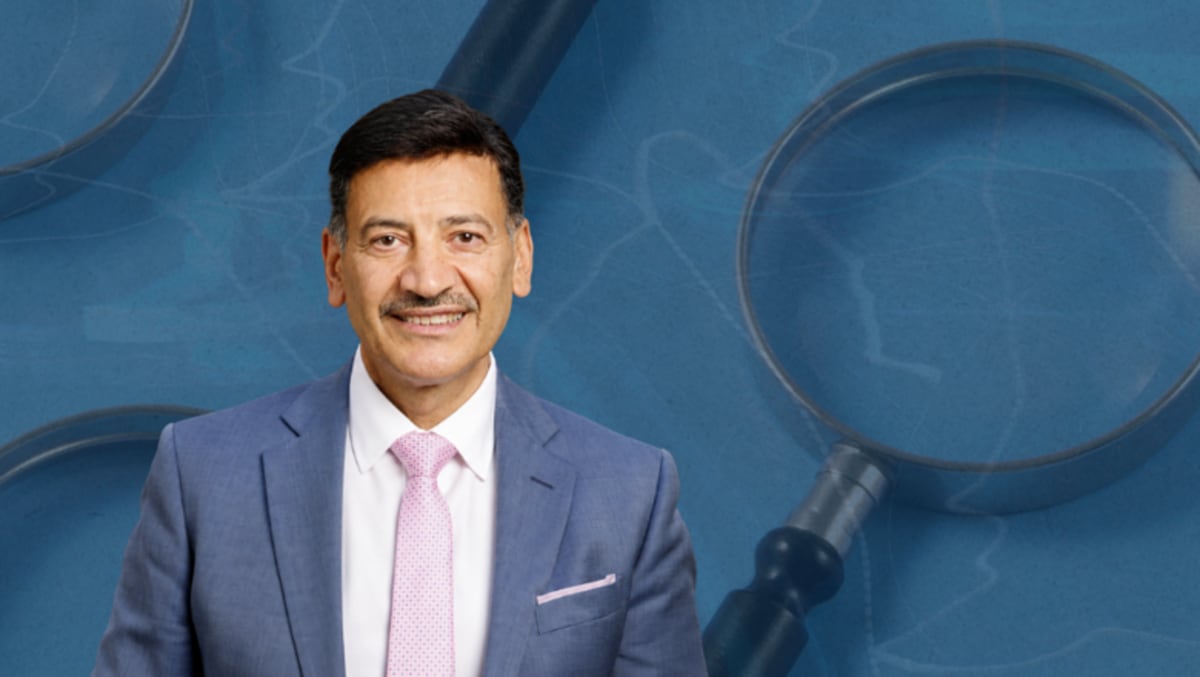
A leading university researcher says the future of scientific discovery lies not in AI replacing humans, but in deliberately designed partnerships that combine computational power with human judgment. After speaking to 14,000 people worldwide, Professor Sir Bashir M. Al-Hashimi argues that expertise is evolving, not disappearing.
Scientists are figuring out how to work alongside AI systems as partners rather than competing against them or being replaced by them.
Professor Sir Bashir M. Al-Hashimi from King's College London has spent the past year discussing the future of research with thousands of scientists and students across 12 universities. His conclusion offers hope for anyone worried about AI taking over scientific discovery.
The question isn't whether humans still matter in research. Instead, it's how human expertise and increasingly capable AI should work together.
Al-Hashimi sees doctoral education transforming into a three-way partnership between students, supervisors, and AI systems. Students bring curiosity and intellectual risk-taking. Supervisors provide disciplinary expertise and ethical oversight. AI offers computational capability and large-scale knowledge access.
This shift doesn't diminish human expertise. It reshapes what expertise means.
The value of knowledge increasingly lies not in how quickly it can be accessed, but in the ability to ask meaningful questions, evaluate evidence, and exercise sound judgment. As AI systems grow more capable at processing information, these uniquely human skills become more important.
The Bright Side
Research may become more automated, but Al-Hashimi believes it won't become fully autonomous. Automation doesn't remove the need for human judgment.
Researchers still decide which questions are worth pursuing, which findings are robust, and how discoveries should be applied responsibly. The most significant breakthroughs will likely come from intentionally designed partnerships combining AI's speed and scale with human curiosity and critical thinking.
Universities are taking their responsibility seriously. King's College is developing clear policies and governance frameworks as AI becomes integrated into research and education. The focus isn't just on how AI technologies are built, but on how they're used.
Responsible AI remains a human responsibility.
The university is hosting an AI Summit on November 12 bringing together researchers, healthcare professionals, innovators and policymakers to explore both opportunities and challenges. Discussions will examine how to support scientific discovery while keeping questions of trust, safety, and human expertise central.
Al-Hashimi emphasizes that the future of scientific discovery won't be shaped by technology alone but by the choices people make about how humans and AI work together.
This approach offers a roadmap for other fields wrestling with similar questions about AI integration. The answer isn't resistance or wholesale adoption but thoughtful partnership design that leverages the best of both human and artificial intelligence.
Based on reporting by Google: scientific discovery
This story was written by BrightWire based on verified news reports.
Spread the positivity!
Share this good news with someone who needs it