Kochi Transforms Into Living Art Gallery Every Two Years
The Kochi-Muziris Biennale returns for its sixth edition, turning historic Indian neighborhoods into an open-air museum of contemporary art from around the world. Running until March 31, the festival celebrates stories of labor, memory, and connection through powerful installations anyone can visit.
Every two years, the coastal city of Kochi becomes one of the world's most exciting art destinations, and this year's edition is turning heads for all the right reasons.
The Kochi-Muziris Biennale has transformed Fort Kochi and Mattancherry into sprawling galleries where art meets the street. Historic warehouses, colonial-era buildings, and public spaces now showcase works from artists across continents, all exploring what it means to be human in our rapidly changing world.
What makes this festival special is how it amplifies voices often left unheard. Birender Yadav's installation brings attention to seasonal migrant workers in brick kilns, with each handmade brick bearing the palm prints of the laborers who shaped it. The work transforms anonymous toil into visible, dignified memory.
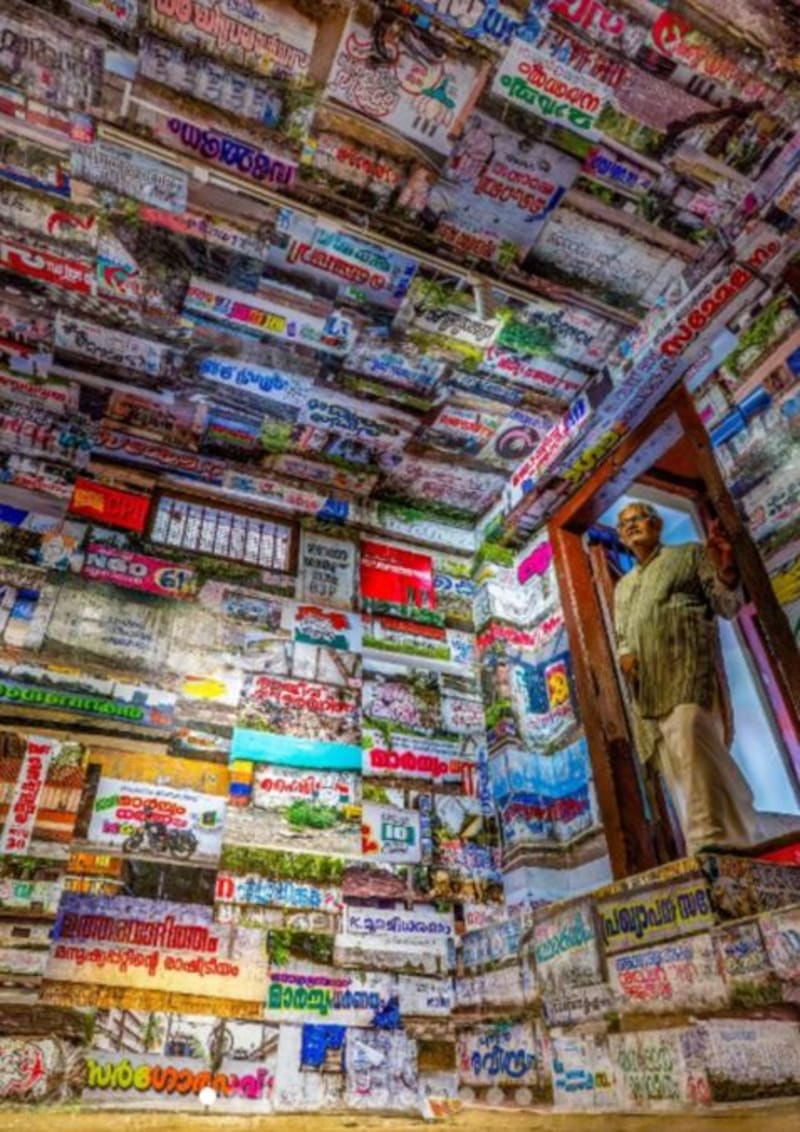
Other pieces trace the roots of connection across time and distance. One installation links the ancient port of Muziris with the submarine cables beneath Kochi today, showing how trade and communication have bound continents together for centuries. Another documents Kerala's fading tradition of hand-painted political graffiti, preserving a unique form of public expression before it disappears.
Women's stories weave through multiple works. Forest Shelter creates a space of care through botanical-dyed fabrics and inherited memories. Diasporic Transcriptions stitches together quilts that map ancestry, migration, and the bonds between generations.
Even the spice trade gets reimagined. One artist explores how black pepper shaped empires and migration patterns, connecting kitchen staples to questions of power and belonging that still resonate today.
The Ripple Effect
The biennale's real magic happens in how it opens doors. Admission is free to most venues, making contemporary art accessible to everyone from schoolchildren to fishermen. Local neighborhoods become part of the conversation, with one work capturing the sounds and rhythms of everyday life in the streets around it.
By bringing global artists to historic Indian venues, the festival creates dialogues that cross cultures and centuries. It shows art not as something distant and elite, but as a tool for understanding our shared struggles and hopes.
Until March 31, anyone can walk through these transformed spaces and see their own experiences reflected back through different eyes. In a world that often feels divided, that kind of connection matters more than ever.
Based on reporting by The Better India
This story was written by BrightWire based on verified news reports.
Spread the positivity!
Share this good news with someone who needs it
%2Fhttps%3A%2F%2Ftf-cmsv2-smithsonianmag-media.s3.amazonaws.com%2Ffiler_public%2F15%2F3b%2F153b5427-10f9-4ad6-b039-8823a36efc6f%2Fhd100065orig.jpg)