Korea's Science Hub in Germany Celebrates 30 Years
What started with three people in borrowed offices has become Korea's premier European research bridge, now connecting innovations across continents. The KIST European Research Institute marks three decades of building scientific partnerships that are transforming how Asia and Europe collaborate.
A tiny research outpost in Germany has quietly grown into one of the most important scientific bridges connecting Korea and Europe, celebrating 30 years of turning ideas into international breakthroughs.
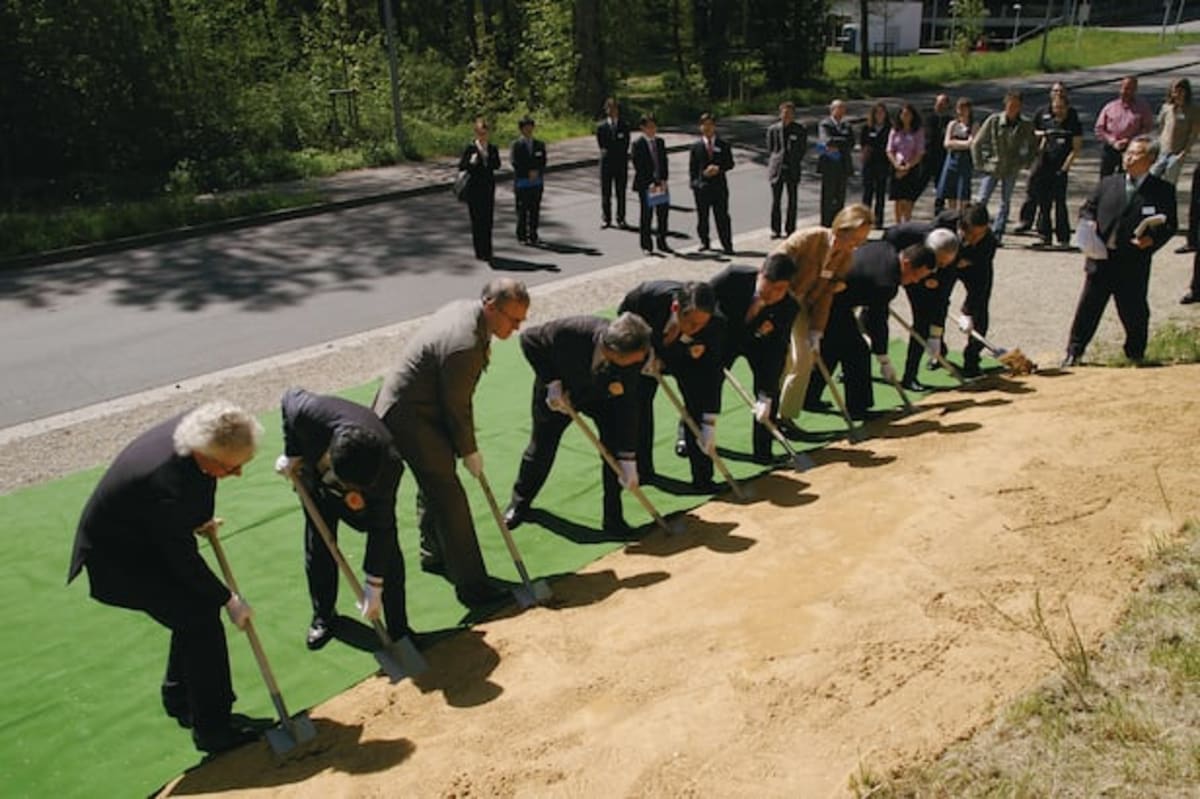
The Korea Institute of Science and Technology European Research Institute started in 1996 with just three staff members working out of borrowed offices at Saarland University. Today, it operates state-of-the-art facilities covering nearly 100,000 square feet and serves as Korea's only research collaboration hub in Europe.
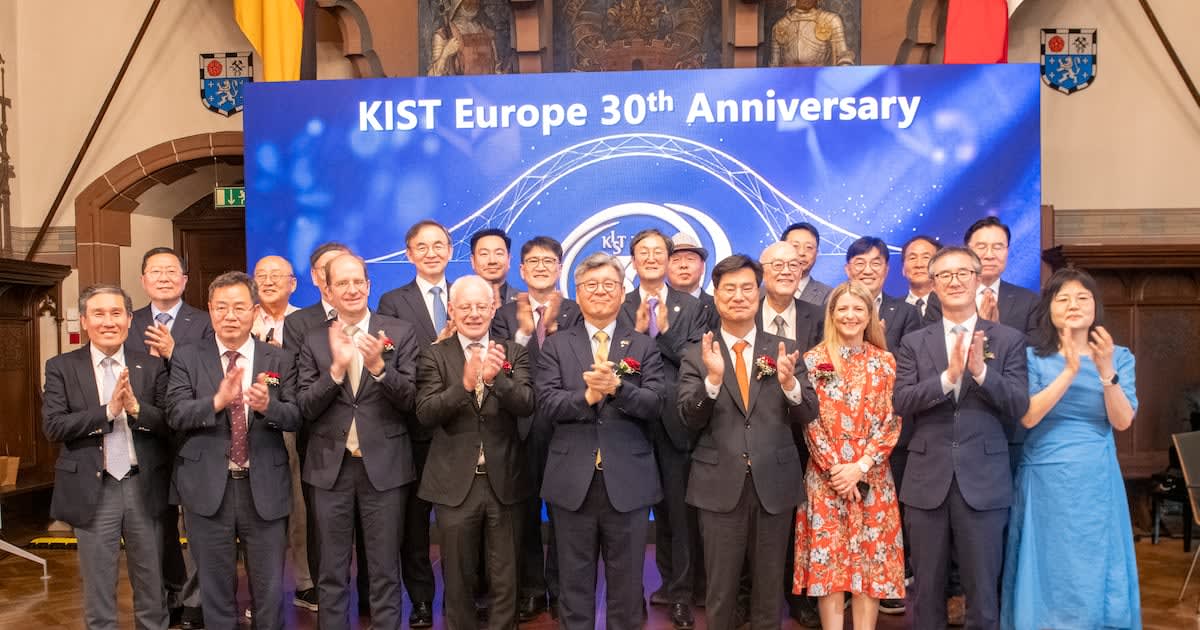
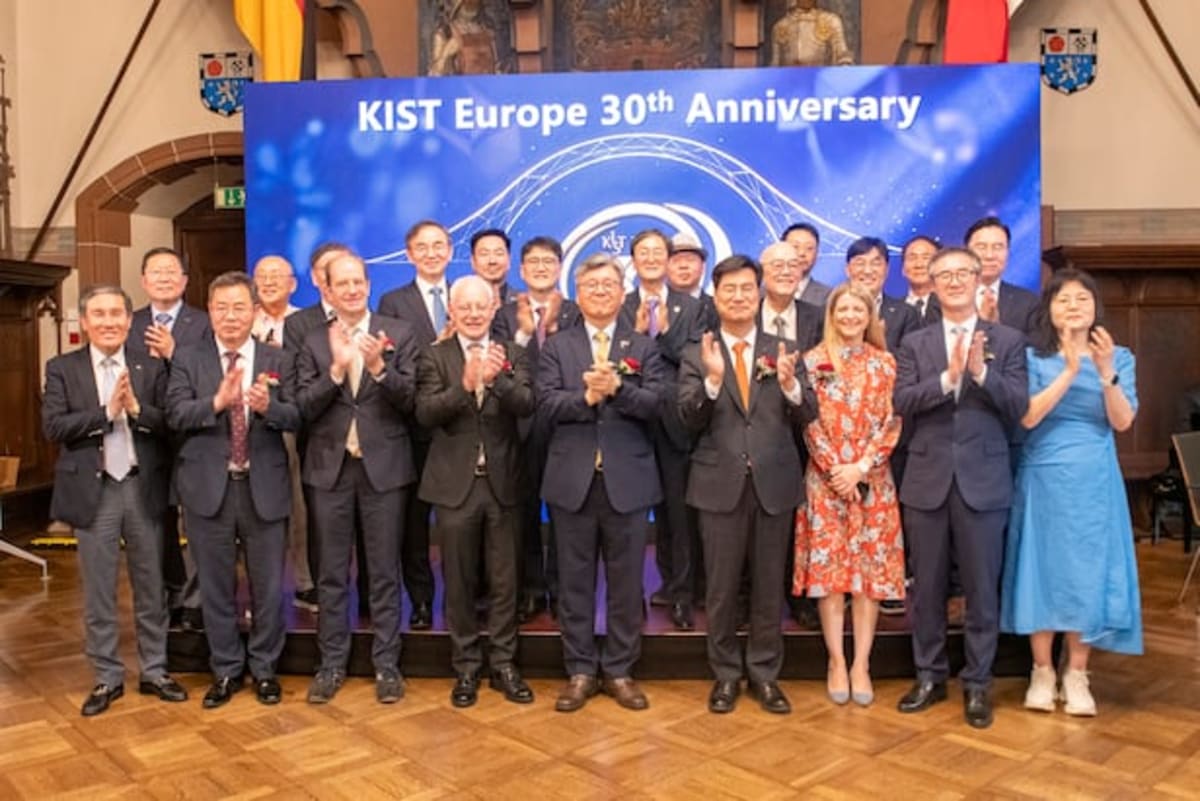
Jeong Ok Arnhold, who joined when the institute had barely started, remembers those early days vividly. "There were only three people: the director from Korea, a Korean staff member, and a German staff member," she recalled at the anniversary celebration on July 17th. The team didn't even have their own building until 2000, four years after opening.
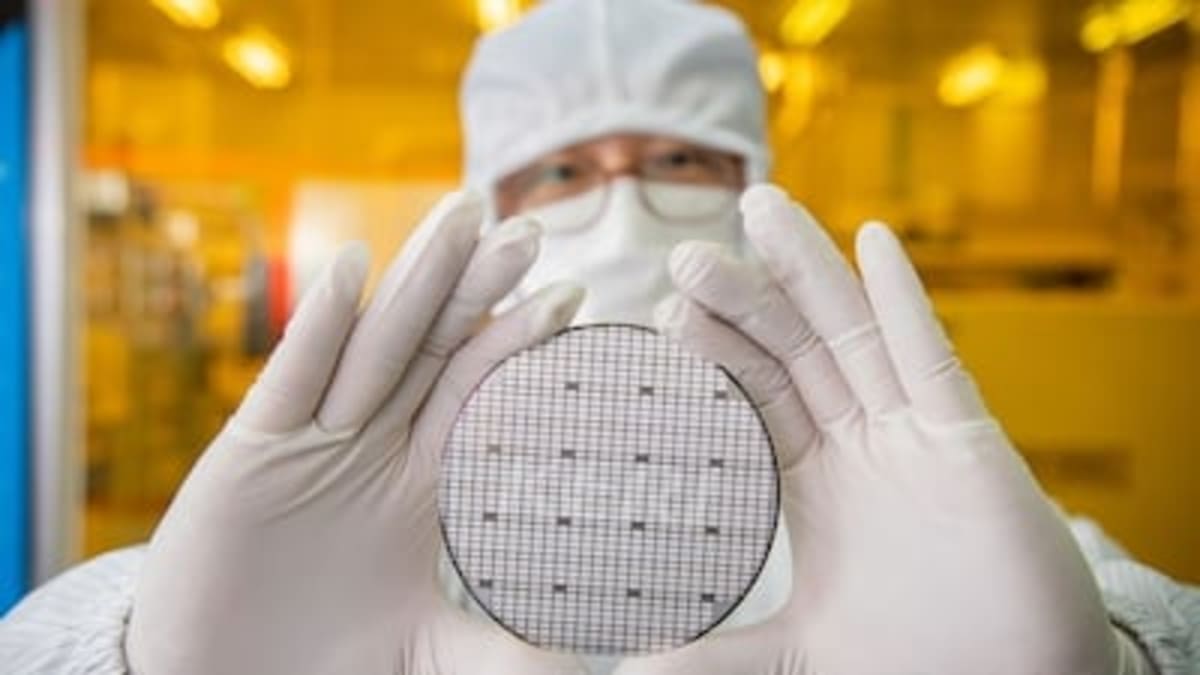
The transformation has been remarkable. What began as a simple environmental engineering lab has expanded into cutting-edge research in advanced biotechnology, energy solutions, and artificial intelligence. The institute now connects Korean researchers with major European institutions like Fraunhofer, Max Planck, and Helmholtz.
Last year marked a major milestone when Korea joined Horizon Europe as an associate member, the world's largest multilateral innovation research program. The institute won the first Horizon Europe research project for any Korean institution and now helps domestic companies enter European markets and commercialize new technologies.
The Ripple Effect spreads far beyond research papers. Through its new "THE Bridge Center," the institute provides Korean companies and researchers with everything they need to succeed in Europe, from policy analysis to project management. Since June, they've operated a dedicated help desk connecting innovators across continents.
Local German officials attended the anniversary ceremony in force, showing how deeply the institute has woven itself into the region's scientific fabric. Saarland Minister Jürgen Barke and university leaders joined Korean dignitaries to celebrate what the institute calls "BRIDGE to YOU," their vision for the next 30 years.
The institute's growth mirrors a larger trend of international scientific cooperation bearing real fruit. From three borrowed desks to a thriving hub supporting hundreds of research partnerships, it proves that patient investment in collaboration creates connections that benefit everyone.
Now the institute is looking ahead to three decades of even bigger ambitions: leading Korea-EU joint research, serving as an innovation gateway for companies, and driving AI-powered scientific breakthroughs that will shape the future.
What started as a diplomatic handshake between presidents in 1995 has become a living bridge where ideas flow freely and innovation knows no borders.
More Images
Based on reporting by Regional: south korea technology (KR)
This story was written by BrightWire based on verified news reports.
Spread the positivity!
Share this good news with someone who needs it