Kumamoto University Powers Japan's Semiconductor Boom
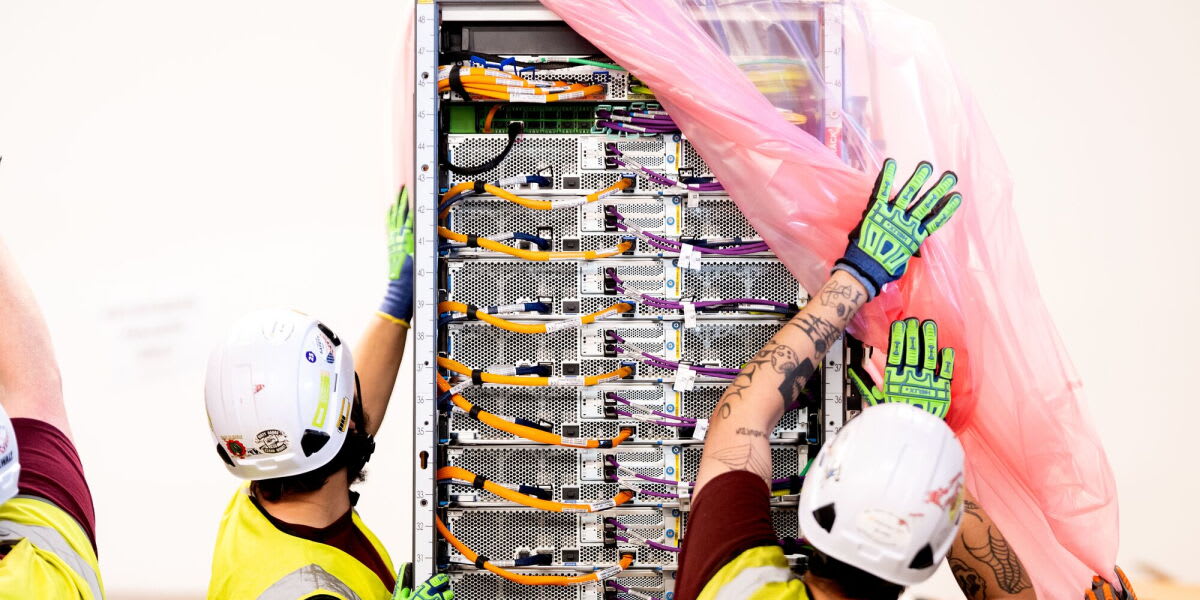
A historic Japanese university is transforming into a semiconductor talent powerhouse as chip giant TSMC builds two massive plants nearby. Kumamoto University is training the next generation of engineers while helping build an entire innovation ecosystem.
A university founded in the 18th century is now racing to solve one of modern technology's biggest challenges: finding enough skilled workers to build the world's semiconductors.
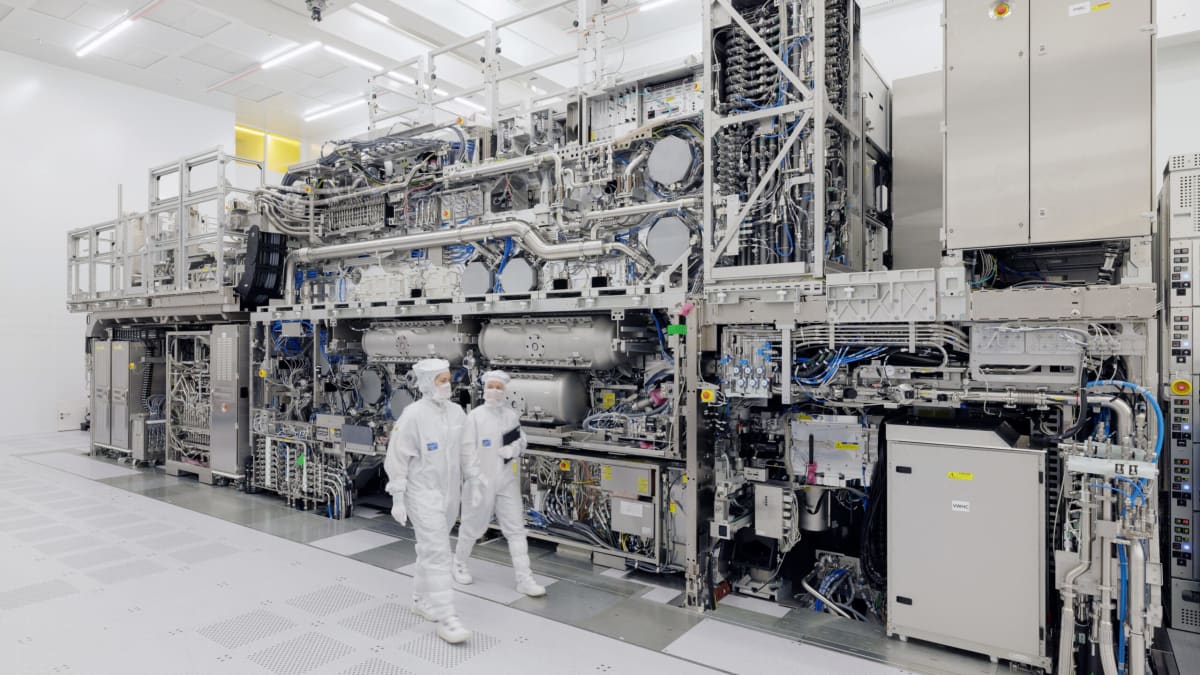
Kumamoto University sits at the center of Japan's semiconductor revival. When Taiwan's TSMC chose Kumamoto for its first Japanese manufacturing plant, the region transformed almost overnight into what many now call a semiconductor city. A second TSMC plant is already approved and scheduled to open in December 2027.
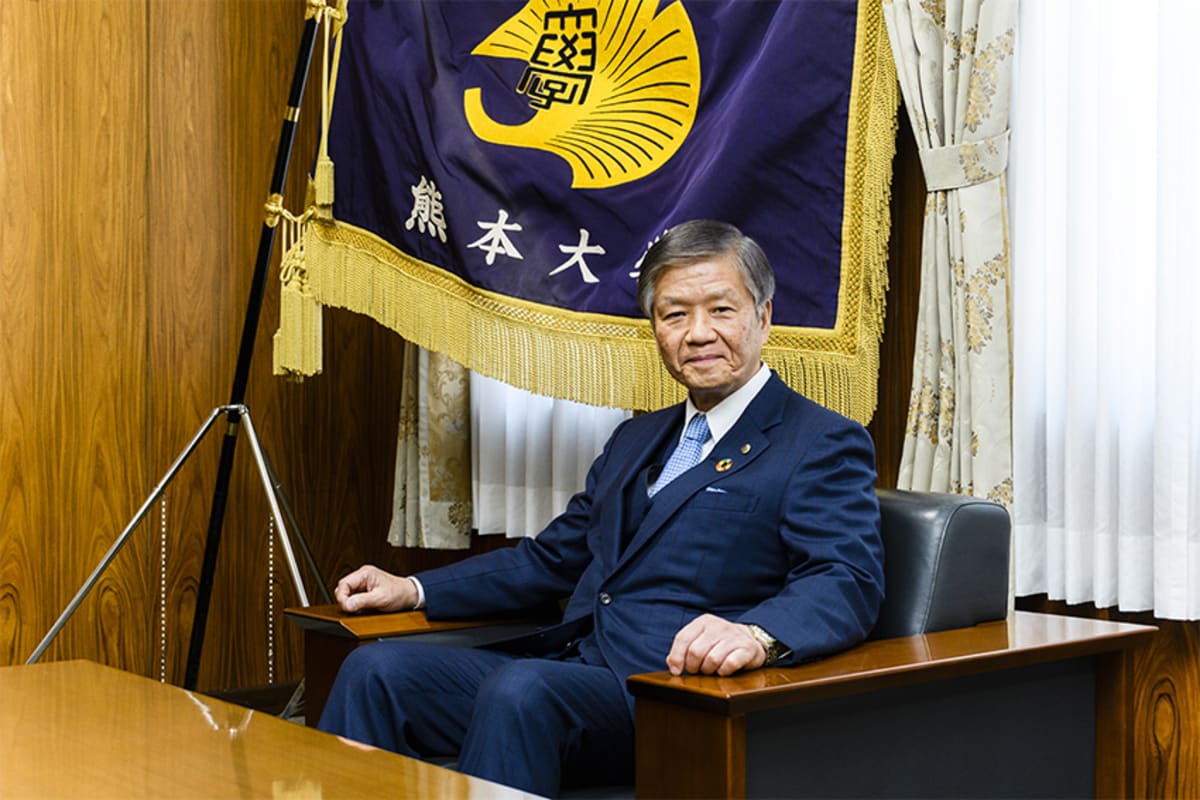
President Ogawa Hisao sees this industrial shift as both an opportunity and a responsibility. The university currently graduates about 90 students into semiconductor-related companies each year. That number needs to grow substantially to meet surging demand across the region.
The university is responding by creating new programs in semiconductor engineering, computer science, applied mathematics, and innovation. Students now learn alongside industry giants like TSMC, Sony, and Tokyo Electron, which are all expanding operations throughout the prefecture.
Kumamoto offers something rare in higher education: proximity to cutting-edge industry. Students don't just study semiconductors in classrooms. They can see billion-dollar fabrication plants rising nearby and connect directly with the companies shaping the future of technology.
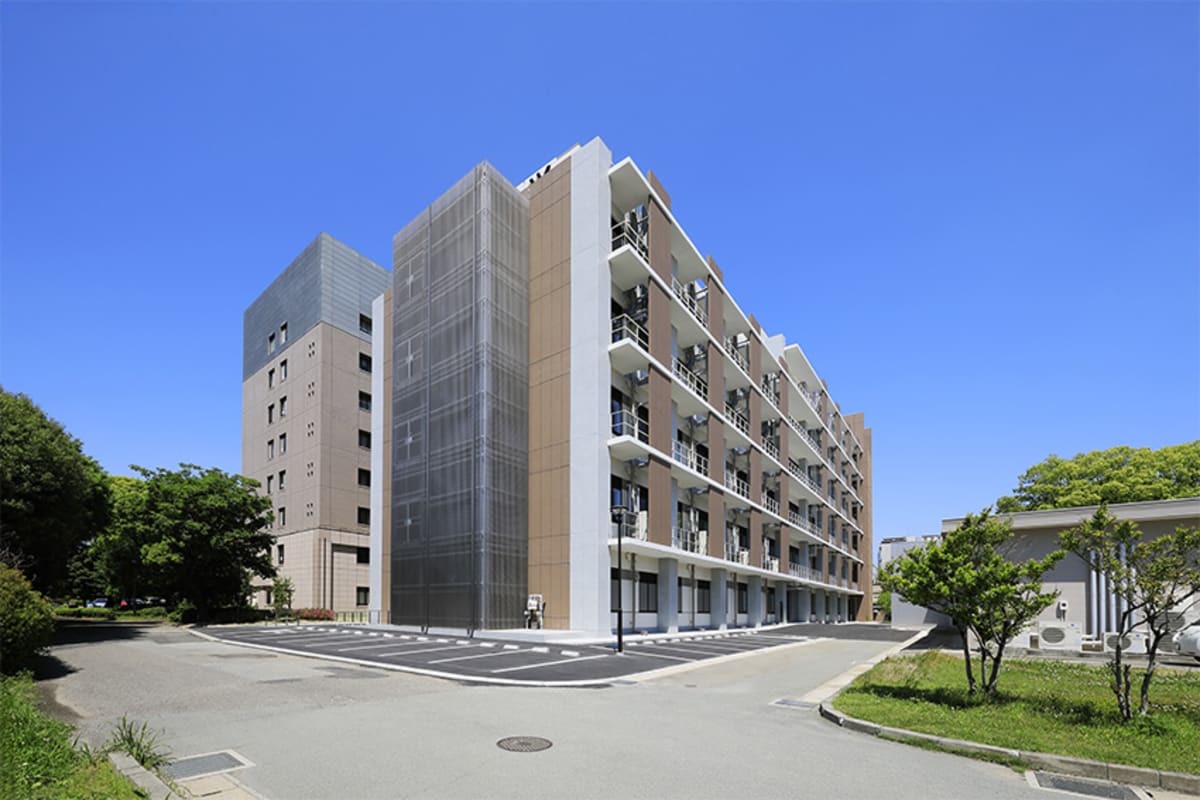
The university is also investing heavily in research facilities. SOIL and D-Square are new centers designed to foster collaboration between academics and industry partners. These spaces bring together researchers, students, and professionals to tackle real-world challenges in semiconductors and artificial intelligence.
The Ripple Effect
This transformation extends far beyond one university's campus. As Kumamoto builds its semiconductor ecosystem, it's creating a model for how academic institutions can drive regional economic development.
The workforce shortage in semiconductors affects the entire global technology supply chain. By training hundreds more engineers and researchers each year, Kumamoto University is helping ensure the world has the talent needed to build the chips that power everything from smartphones to electric vehicles.
President Ogawa emphasizes that tradition and innovation aren't opposing forces. The same university that pioneered medical and pharmaceutical education in feudal Japan is now pioneering solutions for 21st-century technology challenges. History doesn't hold them back; it grounds their confidence that institutions can reinvent themselves while staying true to their core mission of serving society.
The university is actively recruiting beyond its traditional base in Kyushu, reaching out to students across Japan and around the world. Kumamoto's emergence as a semiconductor hub gives the region new appeal for ambitious students who want to study where the future is being built right now.
A university rooted in 1756 is helping write the story of 2027 and beyond.
More Images


Based on reporting by Google News - Japan Innovation
This story was written by BrightWire based on verified news reports.
Spread the positivity!
Share this good news with someone who needs it