LA Builds Transit Legacy Ahead of 2028 "Car-Free" Olympics
Los Angeles is transforming its car-centric identity with massive transit upgrades for the 2028 Olympics. The city aims to leave behind cleaner air, electric buses, and a network that moves hundreds of thousands without gridlock.
Los Angeles once celebrated when traffic returned after the 1984 Olympics, but this time the city wants something better to stick around.
With two years until the 2028 Games, LA is racing to build a transit system worthy of hosting what organizers call "transit-first" Olympics. The goal is ambitious for a sprawling city where 95% of trips happen by car: move hundreds of thousands of spectators between venues without adding to the region's legendary gridlock.
The stakes go beyond sports. Transport creates most of LA's pollution, and the basin geography traps smog against surrounding mountains. While air quality has improved dramatically since the hazy 1980s, the region still ranks among America's worst for pollution.
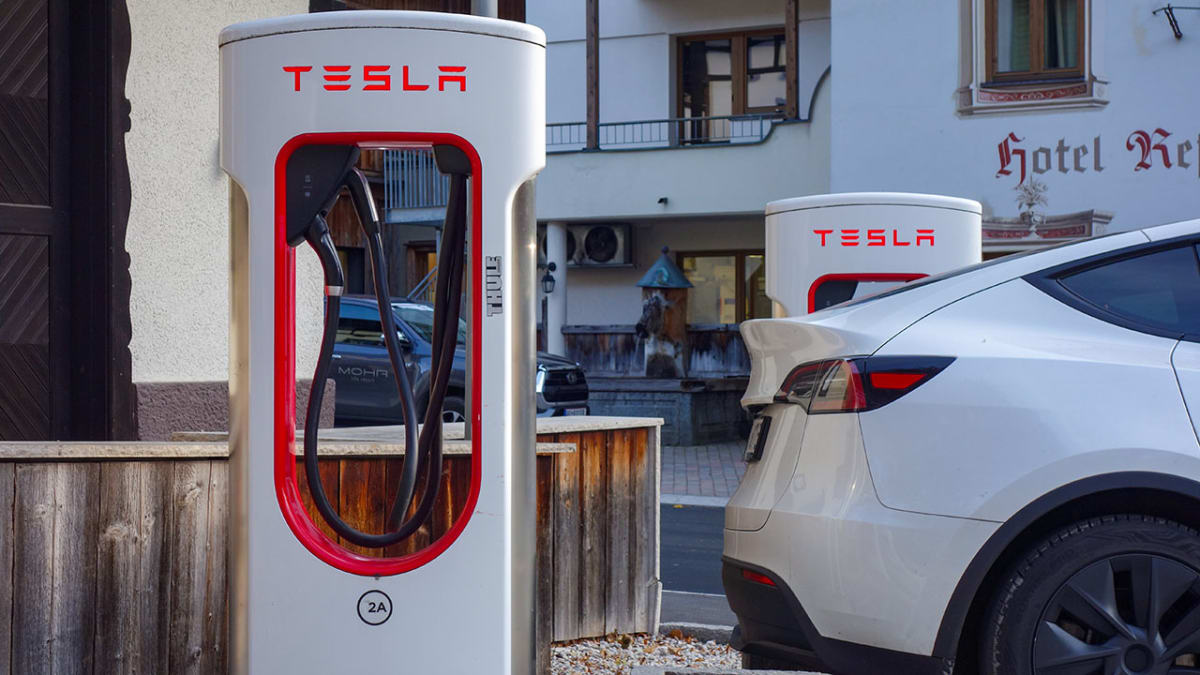
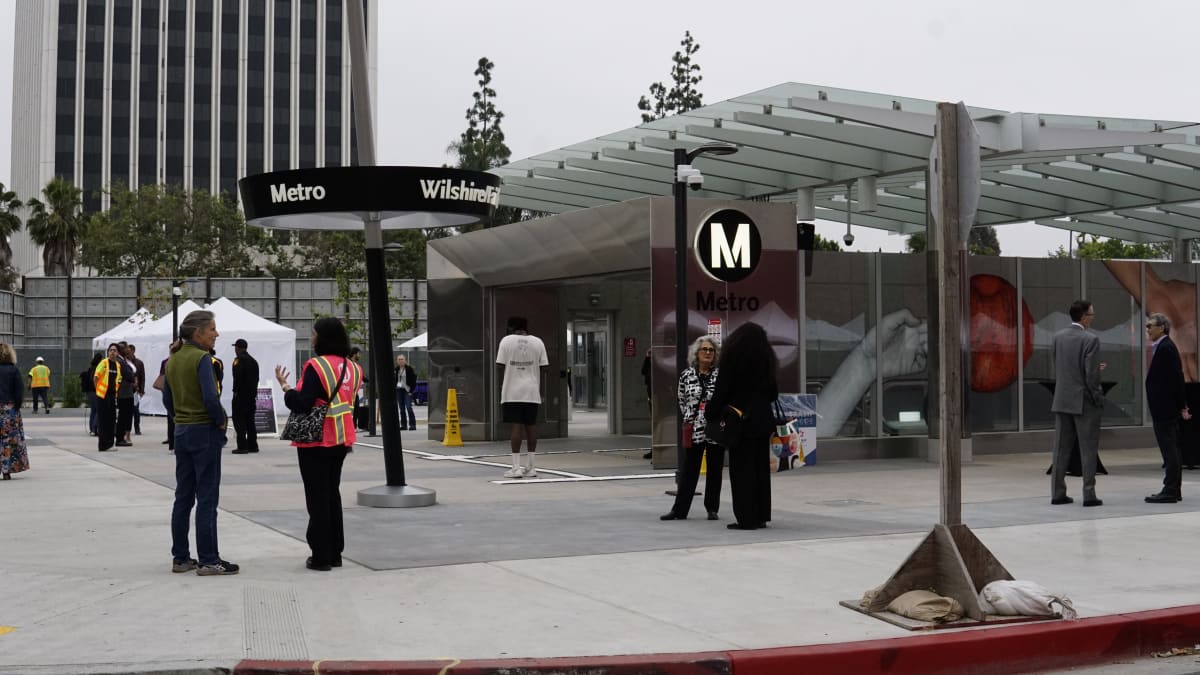
But real progress is already happening. LA Metro is the only transit agency opening new underground stations in the US this year. Over 100 million dollars in clean transport investments are committed, focused on electric vehicles, charging infrastructure, and cleaner streets.
Matt Petersen, who leads the Los Angeles Cleantech Incubator, sees the Games as a launchpad. "When the world arrives, hopefully they see more electric vehicles, more charging, more clean energy," he says. "We can have clean skies, clean air, and clean streets in LA."
The city is upgrading its bus fleet to zero-emission vehicles and improving shelters across the network. Mayor Karen Bass calls it "the most consequential year in a generation" to prove LA can move beyond car dependency.
The Ripple Effect
What happens in LA echoes nationally. California often leads American climate policy, and the city's transformation could inspire other car-dependent metros. If sprawling Los Angeles can build viable transit, other cities might follow.
The shift also creates immediate benefits beyond Olympics logistics. Cleaner buses mean better air quality in neighborhoods along routes. New stations connect communities that previously relied solely on cars. Better infrastructure makes daily commutes easier for residents long after athletes leave.
Olympic venues stretch across LA County, sometimes 50 kilometers apart. Getting between them by transit currently takes triple the driving time, with long waits at unsheltered stops. The upgrades aim to change that calculation permanently.
Challenges remain, including funding gaps and slow planning that killed some ambitious projects. Public perception of transit lags behind reality, and driving stays more convenient for most trips. But the foundation is being laid for lasting change.
The 1984 Games proved LA could temporarily ease its traffic nightmare. The 2028 Games could prove the city built something better in its place.
Based on reporting by Google News - Clean Energy
This story was written by BrightWire based on verified news reports.
Spread the positivity!
Share this good news with someone who needs it