LA River Gets Trash-Catching Ship Before 2028 Olympics
Los Angeles is bringing a massive floating trash collector to the San Gabriel River to stop pollution before it reaches the ocean ahead of the 2028 Summer Olympics. The technology has already pulled over 200 tons of garbage from another LA waterway.
Los Angeles is getting serious about cleaning up its waterways, and the solution involves a high-tech trash-catching ship that stops pollution before it ever reaches the beach.
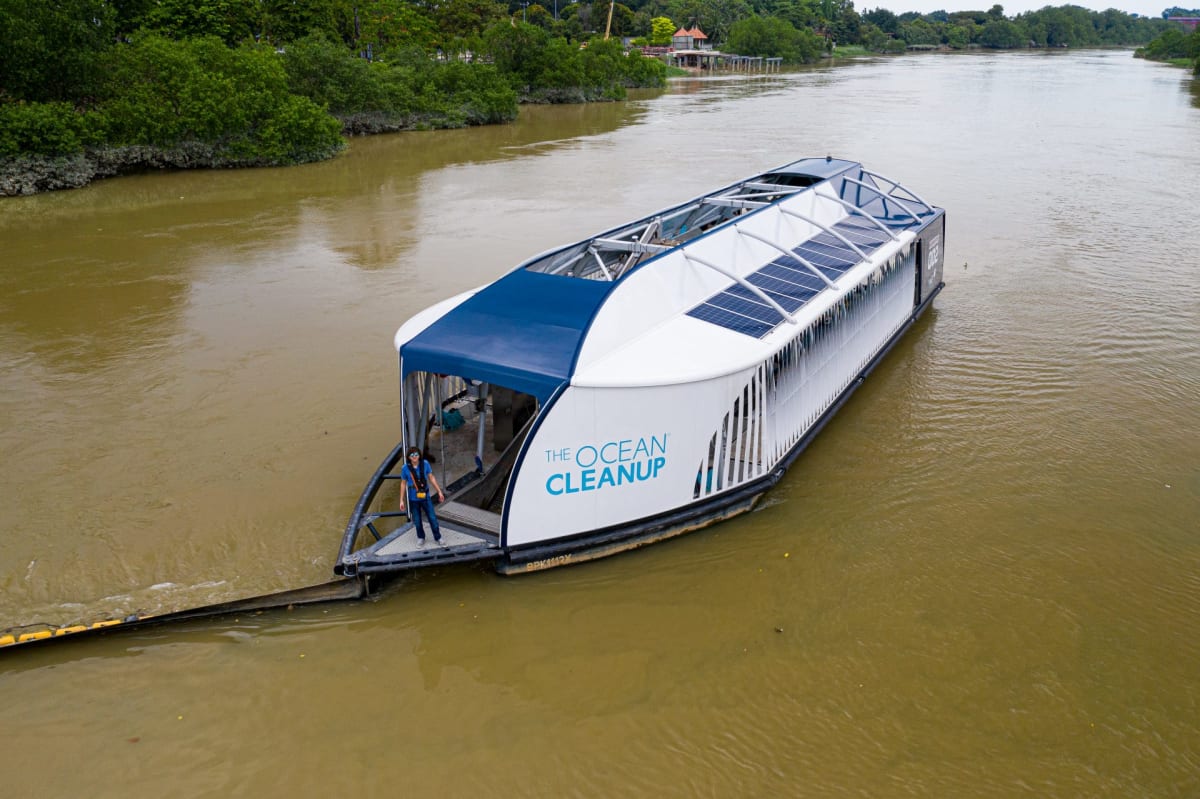
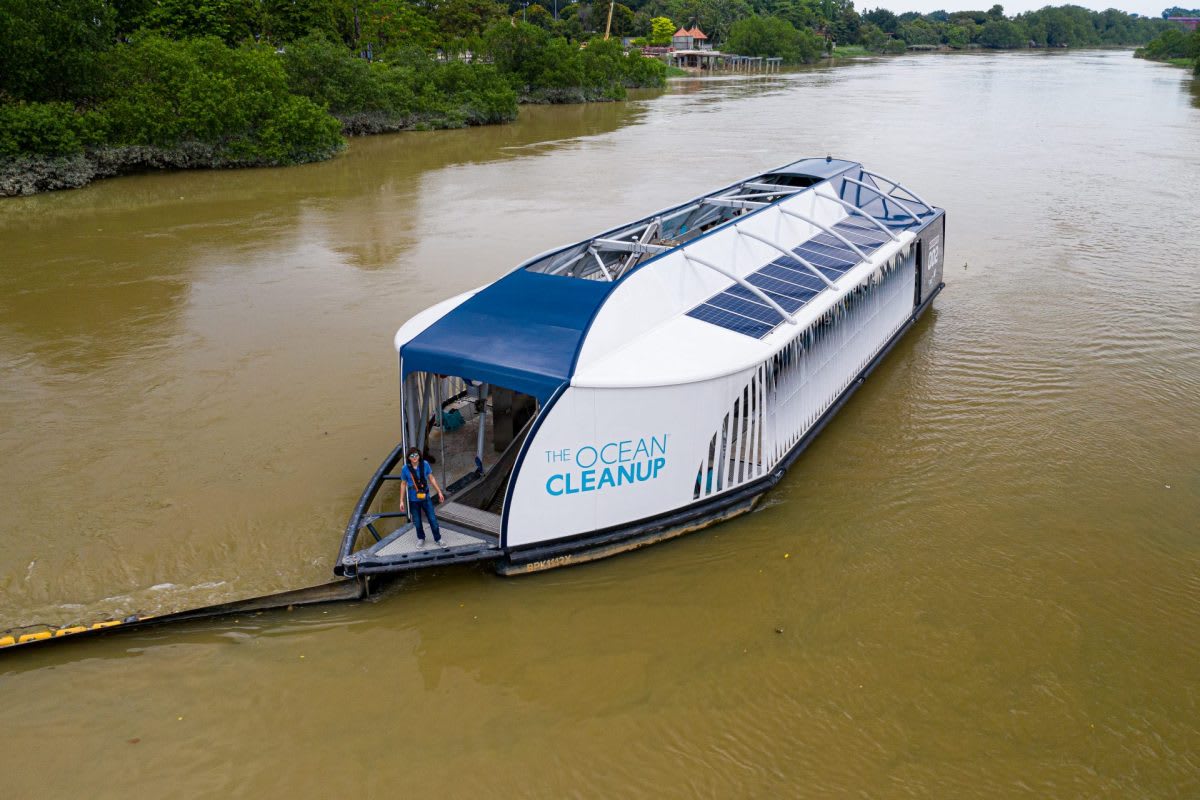
Officials want to install The Ocean Cleanup's "Interceptor" on the San Gabriel River before the 2028 Summer Olympics come to town. The floating system acts like a giant net for urban rivers, capturing bottles, bags, and debris as they flow downstream.
Here's how it works: A boom guides trash toward a conveyor belt that lifts it into six large bins on the vessel. When rainfall sends litter rushing through the river system, the Interceptor catches it all at one strategic point instead of waiting for pollution to scatter across miles of coastline.
The idea came after watching similar technology succeed at Ballona Creek near Marina del Rey, where an Interceptor has been quietly working since 2022. That single ship has already removed more than 200 tons of trash from the water.
Seal Beach City Councilmember Joe Kalmick and California Assemblymember Diane Dixon formed the San Gabriel River Working Group to study whether the technology could work on their river too. They're putting together a feasibility study to figure out the logistics.
The timing matters because Los Angeles will host rowing and open swimming events in Long Beach during the Olympics. Clean water isn't just about appearances. It protects marine life and makes beaches safer for everyone who lives near or visits Southern California's coast.
The Ripple Effect
Stopping trash at the source creates advantages that spread far beyond cleaner beaches. Capturing garbage at one collection point saves cities time and money compared to cleaning up debris scattered across shorelines after every storm.
Less plastic flowing through rivers also means fewer items breaking down into microplastics, the tiny particles that harm marine ecosystems and work their way up the food chain. Each piece of trash caught upstream is one less threat to sea turtles, fish, and seabirds.
The success at Ballona Creek is giving local leaders confidence that river-based cleanup systems can work in urban environments. What started as one experimental ship might soon become a network of Interceptors protecting Southern California's coastline year-round.
When the world arrives in Los Angeles for the 2028 Games, visitors might not even notice the floating cleanup crews working quietly upstream, but they'll definitely enjoy the cleaner beaches and healthier ocean those ships help create.
More Images


Based on reporting by Google News - Ocean Cleanup
This story was written by BrightWire based on verified news reports.
Spread the positivity!
Share this good news with someone who needs it