Lab-Grown Retina Chip Could End Eye Disease Testing on Animals
Scientists at the University of Twente and Radboudumc are building a working human retina on a microchip, eliminating the need for animal testing while speeding up treatment for rare eye diseases. They've already successfully combined the first two retinal layers, something never achieved before.
Scientists are growing tiny human retinas on chips, opening a path to faster treatments for blinding diseases without testing on animals.
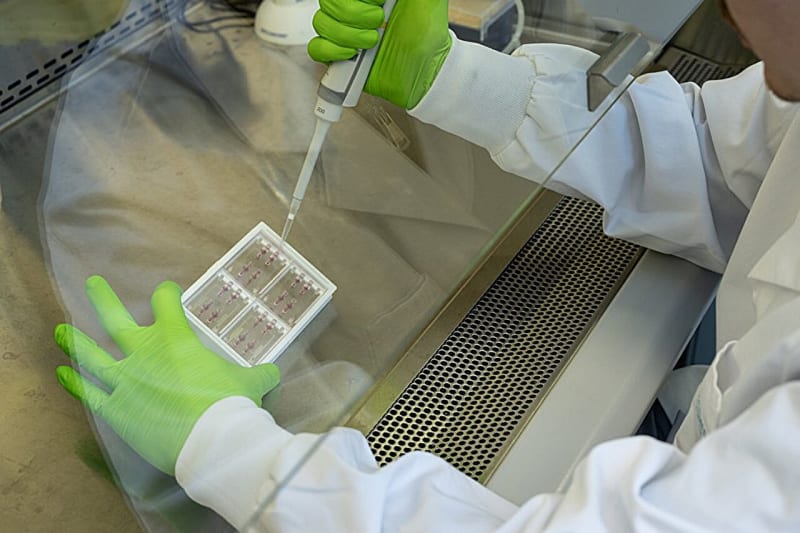
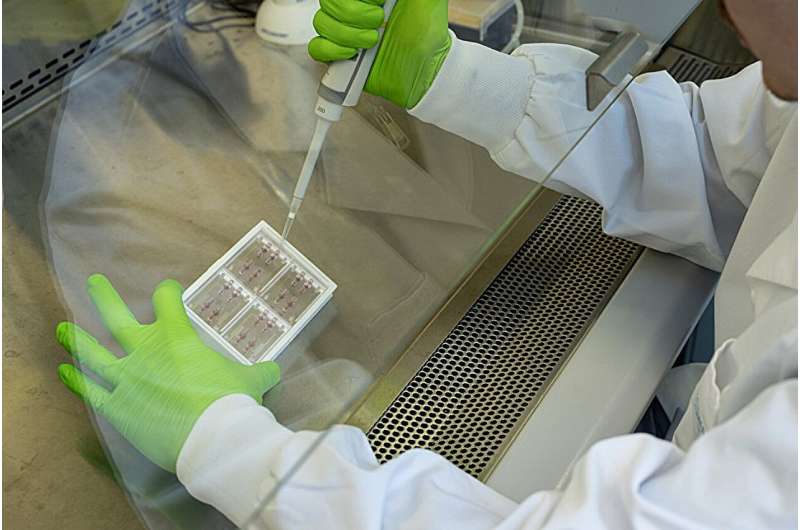
Researchers at the University of Twente and Radboudumc in the Netherlands have created a groundbreaking model that replicates how the human retina actually works. The "retina-on-a-chip" uses microfluidic technology with tiny channels filled with fluid where real human cells can grow and function together, just like in our eyes.
The team has already built a working prototype with the first two retinal layers: the choroid and the pigment epithelium. This combination has never been achieved before in a controlled lab setting. They're now working on adding the third and final layer, the nerve layer, which will complete the artificial retina.
What makes this approach special is how closely it mimics real life. The chip allows researchers to adjust conditions like light exposure and pressure, then watch how the retina responds step by step. This means they can study exactly how diseases damage the retina and test whether new medications can slow or even repair that damage.
Researcher Andries van der Meer explains the promise simply: "What we are developing in the lab contains all the relevant components of the human retina needed for proper eye function." The model can help understand both age-related vision loss and genetic eye diseases.
The collaboration brings together the best of both worlds. Radboudumc provides specialized stem cells and deep expertise on eye diseases, while the University of Twente contributes cutting-edge chip technology and bioengineering know-how.
The Ripple Effect
This technology could transform how we develop treatments for rare eye diseases. Right now, creating new medicines takes five to 10 years under optimal conditions, but this chip-based approach could significantly speed up that timeline. For patients with rare conditions who often wait years for research breakthroughs, faster drug development means hope arriving sooner.
Beyond eye disease, the success of this retina chip demonstrates how organ-on-a-chip technology can replace animal testing across medicine. As scientists perfect these methods, fewer animals will suffer in labs while human patients get treatments that work better because they were tested on actual human cells from the start.
The researchers acknowledge that clinical applications are still years away, but the prototype proves the concept works. Each layer they successfully add brings the medical community closer to a future where vision loss can be prevented or reversed without relying on outdated testing methods.
A working human retina, grown in a lab and ready to unlock sight-saving treatments, is no longer science fiction.
More Images


Based on reporting by Medical Xpress
This story was written by BrightWire based on verified news reports.
Spread the positivity!
Share this good news with someone who needs it