Large Tortoiseshell Butterfly Returns to UK After 60 Years
A stunning butterfly that vanished from Britain in the 1960s is officially back, with sightings across southern England confirming the species is breeding in the wild again. The large tortoiseshell's comeback brings Britain's native butterfly count to 60 species.
After more than six decades away, the large tortoiseshell butterfly has reclaimed its place in British skies.
The striking insect, which disappeared from the UK in the 1960s, is now officially a resident species again according to Butterfly Conservation. Spring sightings of butterflies emerging from hibernation in woodlands across Kent, Sussex, Hampshire, Dorset, Cornwall and the Isle of Wight confirm the species is not just visiting but truly home.
"The signs are really positive, which is lovely," said Richard Fox, head of science for Butterfly Conservation. The charity has added the species to Britain's official butterfly list for the first time in its 58-year history.
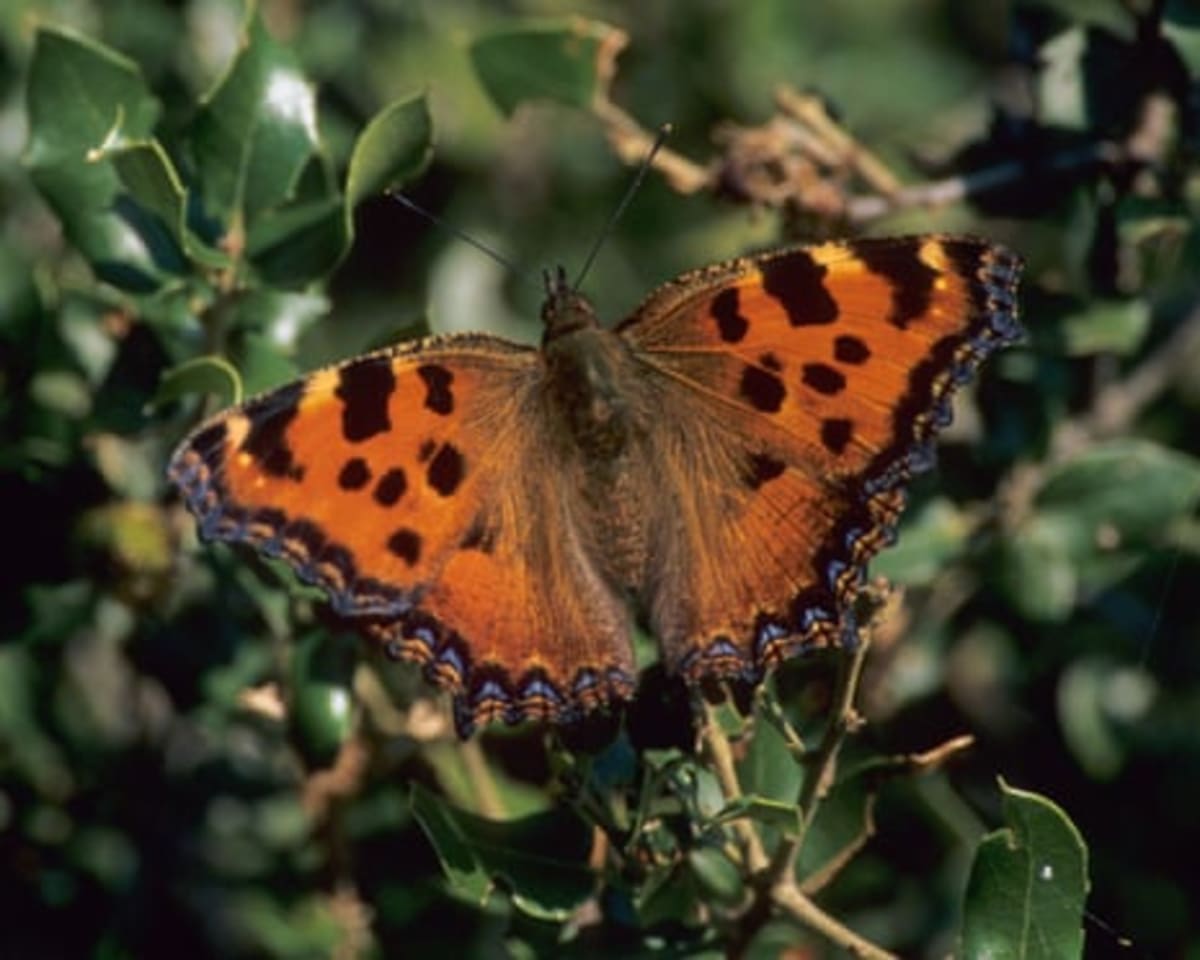
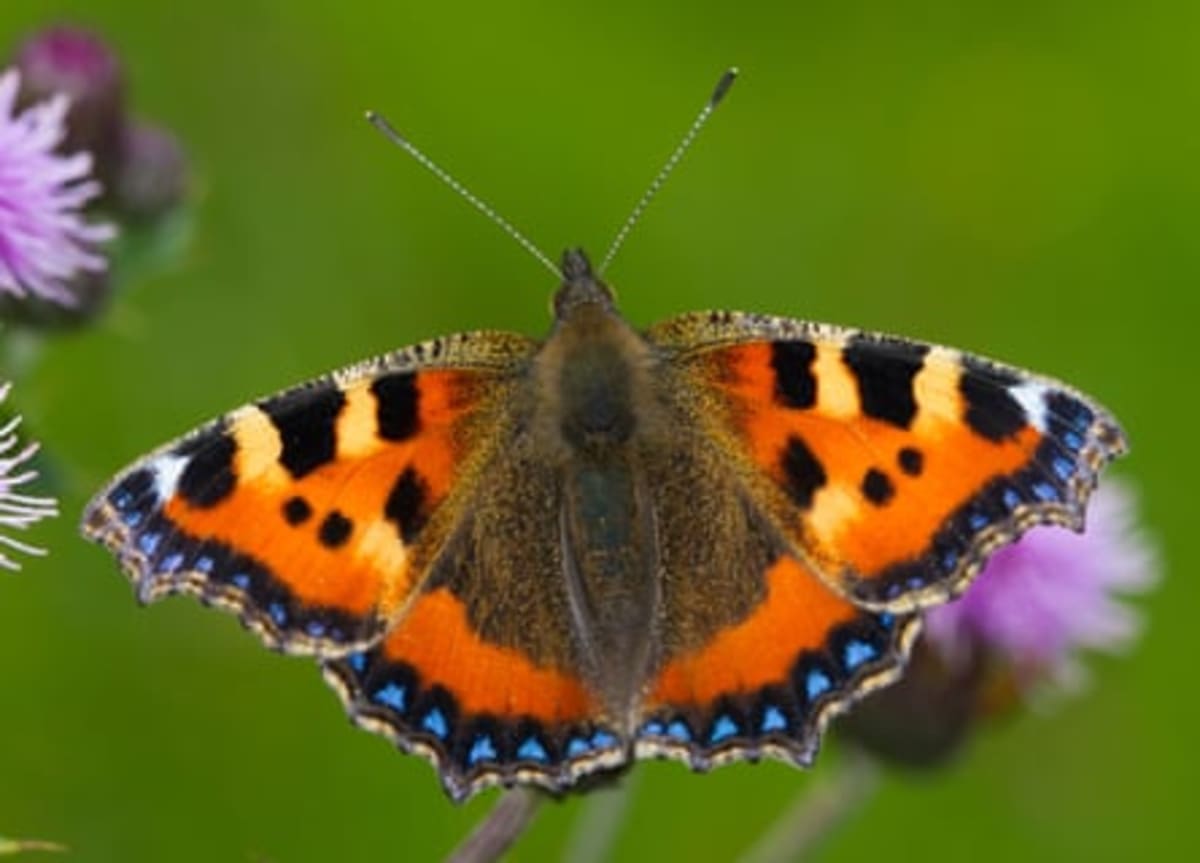
Unlike its smaller cousin that flutters through gardens, the large tortoiseshell lives among trees. Its caterpillars feast on elm, willow, aspen and poplar, making woodlands their preferred habitat.
Scientists believe warming temperatures have helped the butterfly migrate back from mainland Europe, particularly from growing populations in the Netherlands and France. The species last thrived in Britain during warm summers in the 1940s but struggled at what was always the northern edge of its natural range.
The comeback story gained momentum in 2020 when researchers discovered caterpillars feeding on trees in Dorset. Since then, sightings have spread across southern England, proving the butterflies are breeding successfully in the wild rather than being released by enthusiasts.
The Bright Side
The large tortoiseshell joins a wave of other species finding their way to Britain as conditions change. The spectacular Clifden nonpareil moth and various continental species have also established themselves in recent years, showing nature's remarkable ability to adapt and move.
The butterfly's lifecycle offers double the viewing pleasure. Adults hibernate through winter and emerge in spring to breed, then their offspring take flight as butterflies in midsummer.
Butterfly Conservation is asking the public to log sightings through iRecord, a free citizen science app. These observations help scientists track the butterfly's expanding range and build a picture of how well the population is growing.
You can tell the large tortoiseshell apart from its common cousin by its bigger size and lack of white wing markings. Look for it in wooded areas rather than gardens.
Britain's butterfly family just got a little bigger, and spring just got more colorful.
More Images

Based on reporting by Guardian Environment
This story was written by BrightWire based on verified news reports.
Spread the positivity!
Share this good news with someone who needs it