Light Could Stop Dangerous Hospital Infections
Scientists discovered that far-red light prevents a deadly antibiotic-resistant bacteria from forming biofilms and causing infections. This breakthrough could lead to new ways to protect vulnerable hospital patients without antibiotics.
Researchers at the University of Chicago just found a weapon against one of the hospital's most dangerous bacteria, and it's been shining down on us all along.
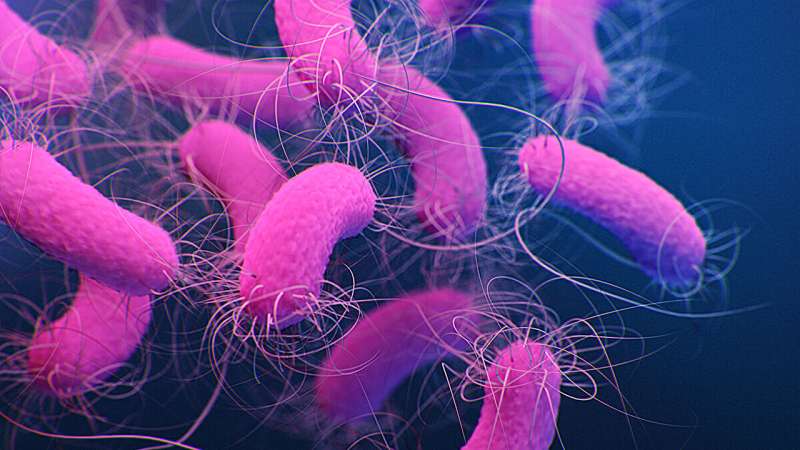
Pseudomonas aeruginosa causes life-threatening infections in patients with weakened immune systems, lung diseases, and severe burns. This antibiotic-resistant bacteria is notoriously difficult to treat, especially when it forms biofilms that stick to medical devices and tissues like a protective shield.
But in 2019, Dr. Sampriti Mukherjee discovered something surprising. When she exposed these bacteria to far-red light, a wavelength near the infrared range, they stopped forming biofilms entirely.
Now her team has figured out how this actually works. In a study published in Nature Communications, they discovered that far-red light triggers a tiny protein called DimA that kicks off a cascade of signals inside the bacteria. This chain reaction ultimately shuts down the genes that make the bacteria dangerous.
Graduate student Dimitrios Manias led the detective work, attaching a glowing reporter gene to the bacteria's virulence genes. When far-red light hit the bacteria, those dangerous genes stayed silent. When they engineered bacteria without the light-sensing system, the bacteria cranked out more infection-causing factors.
The discovery opens a door that researchers didn't even know existed. Unlike UV or blue light that kills bacteria outright, far-red light acts like a signal that tells bacteria to calm down. Think of it as flipping a switch rather than throwing a bomb.
Mukherjee believes this light-sensing system helps bacteria navigate their world. In soil, bacteria on plant roots might use light levels to know how deep they are. Inside a patient's dark lungs, bacteria could sense the absence of light and know it's safe to form biofilms and cause infections.
Why This Inspires
The real promise lies in what comes next. Now that scientists understand the small protein that starts the whole process, they could potentially trick bacteria by artificially overexpressing it. Imagine preventing biofilm formation without any antibiotics at all.
The team also found several other unknown genes activated by light, suggesting this system does even more than they currently understand. Each discovery peels back another layer of how bacteria sense and respond to their environment.
This research matters because antibiotic resistance is growing faster than we're developing new drugs. Finding completely different ways to stop infections, like using light signals the bacteria already respond to, gives medicine a new playbook.
The beauty of this work is that it asks bacteria to work against themselves. Instead of fighting them with drugs they've learned to resist, scientists are learning to speak their language and tell them to stand down.
This tiny protein in a dangerous bacteria might just help protect the most vulnerable patients when they need it most.
More Images
Based on reporting by Phys.org
This story was written by BrightWire based on verified news reports.
Spread the positivity!
Share this good news with someone who needs it