London's Cleaner Air Helps Kids' Lungs Recover
Children in London bounced back from stunted lung growth after the city reduced traffic pollution. The findings offer hope that cities can reverse air pollution damage to kids' health.
London children who struggled to breathe are now catching up to their peers, thanks to one city's decision to tackle toxic air.
Researchers tracked 3,400 kids ages six to nine over five years in London and nearby Luton. At the start in 2018, London children had significantly stunted lung growth compared to kids in Luton, a town 30 miles away.
Then something remarkable happened. Over those five years, London kids' lung function improved dramatically while their exposure to pollution dropped.
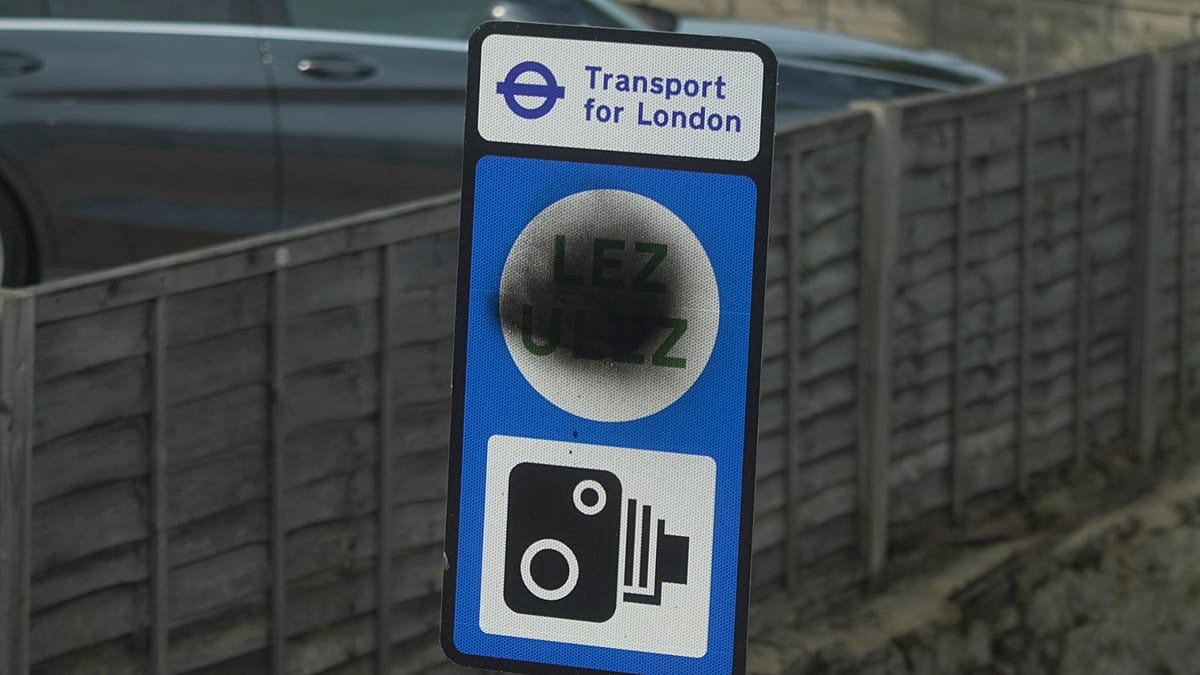
The difference came down to policy. In 2019, London launched its Ultra Low Emission Zone, which charges drivers of high-polluting vehicles a daily fee to enter the city. The program slashed nitrogen dioxide levels, the main pollutant from car exhaust.
Helen Wood, a research fellow at Queen Mary University of London who co-authored the study, said the results surprised even her team. "Seeing the size of the effect and seeing that recovery of function was just remarkable," she said.
The London study wasn't alone in finding good news. In New York City, policies that lowered prenatal air pollution exposure helped kids score better on cognitive tests than children born before the changes.
Both studies, published recently, add to growing evidence that cleaning up air pollution protects children's developing bodies. Kids are more vulnerable than adults to dirty air, which makes these improvements even more meaningful.
The Bright Side
Wood emphasized what these findings mean for struggling cities worldwide. "We've seen the damage that air pollution can do, but we've shown that it's not permanent," she said. "Look what we can do if we make the air cleaner."
The proportion of London children with clinically impaired lung function fell much faster than in Luton. Those kids didn't just stop getting worse. They actually got better.
Children's lungs are still growing, making them especially sensitive to pollution. The World Health Organization estimates that more than 90 percent of the world's children breathe unhealthy air.
Elizabeth Bechard, public health manager at Moms Clean Air Force, said the studies prove clean air policies work. She called the results encouraging proof that cities can turn things around.
The research arrives as a reminder that policy choices directly affect children's ability to breathe and think. Cities suffering from toxic air aren't stuck with that reality.
When cities invest in cleaner air, kids' bodies respond with healthier lungs and sharper minds.
Based on reporting by Inside Climate News
This story was written by BrightWire based on verified news reports.
Spread the positivity!
Share this good news with someone who needs it