Low-Cost Drones Map Hidden Air Pollution Above Delhi
A custom-built drone using affordable sensors discovered unexpectedly high pollution levels 100 meters above Delhi, revealing gaps in current air quality monitoring. This breakthrough could help millions in megacities breathe easier through better forecasting and targeted solutions.
Scientists just found a blind spot in how we track air pollution, and solving it could protect millions of people living in the world's most polluted cities.
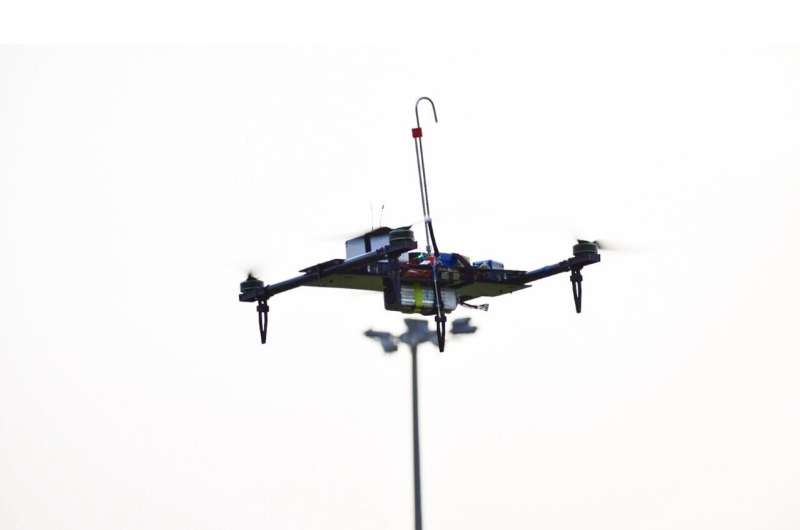
A research team led by Assistant Professor Ajit Ahlawat at TU Delft has successfully used drones equipped with low-cost air quality sensors to measure pollution levels up to 100 meters above ground in Delhi. What they discovered surprised everyone: dangerous concentrations of fine particulate matter (PM2.5) were floating far above street level during morning haze episodes, much higher than computer models predicted.
Until now, most air quality monitoring in megacities like Delhi has focused on ground-level measurements. Satellites can't capture enough detail, and aircraft monitoring costs too much for regular use. This left a crucial gap in understanding how pollution behaves in the atmosphere above densely populated areas.
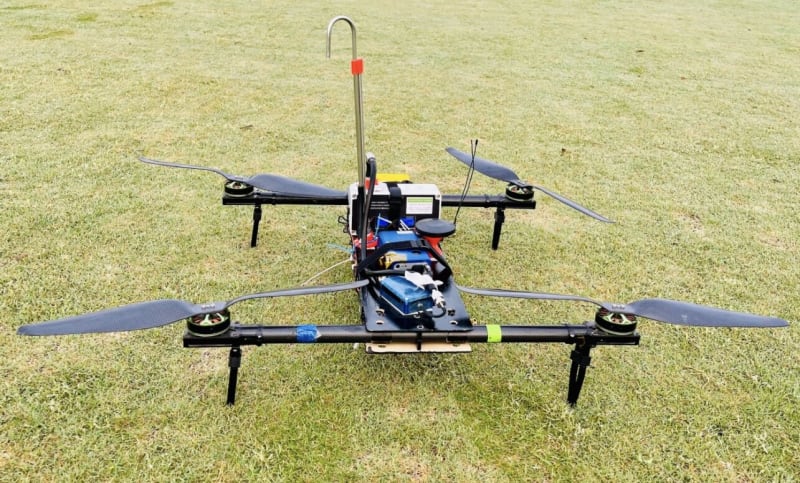
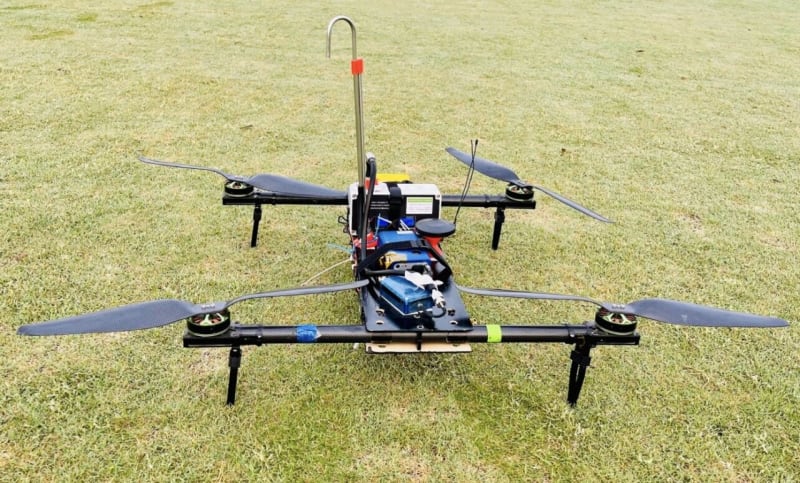
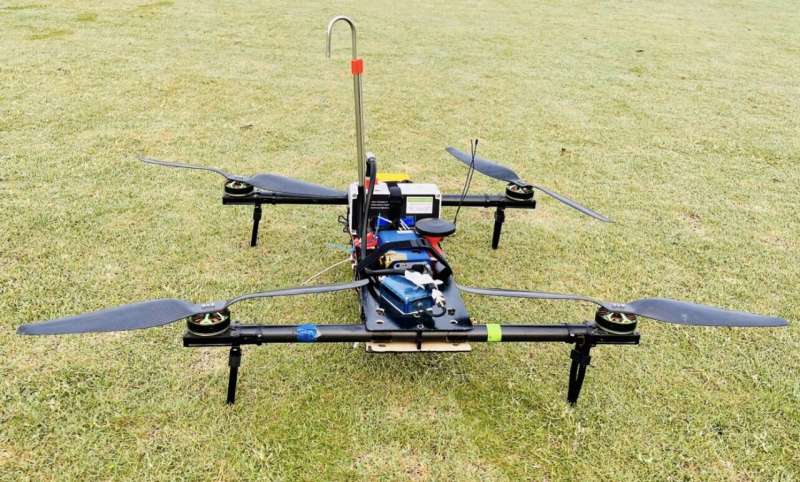
The breakthrough required some creative engineering. The team designed a special sampling inlet positioned 30 centimeters above the drone's rotor blades to avoid interference from turbulence. They also built a custom silica-gel dehumidifier to handle Delhi's high humidity, which typically disrupts air quality measurements.
The flights revealed that current computer models significantly underestimate PM2.5 levels during morning haze. The models struggle to account for how tiny pollution particles absorb moisture and grow larger in humid conditions, making the haze worse than expected.
Why This Inspires
This isn't just about better data. Extreme haze events in cities like Delhi cause severe health problems for millions of residents. Understanding pollution at different heights means scientists can identify where it's coming from and how it spreads through the atmosphere.
The best part? Ahlawat and his team have made their methods openly accessible. Any city struggling with air pollution can now use this affordable drone technology to build better forecasting systems and early warning networks.
The findings, published in npj Clean Air, come from collaboration between TU Delft and the Indian Institute of Technology Delhi. The research team conducted multiple test flights in South Delhi's densely populated neighborhoods, carefully validating their measurements against established models.
Ahlawat, who started this research at the Leibniz Institute for Tropospheric Research before joining TU Delft in 2024, focuses specifically on understanding how haze and fog form in urban areas. His work fills a critical knowledge gap that has limited our ability to protect public health in megacities.
The implications extend beyond Delhi. Hundreds of millions of people worldwide live in megacities experiencing severe air quality problems. This low-cost, high-resolution monitoring approach could revolutionize how cities track pollution and respond to dangerous conditions.
With better vertical pollution data, cities can finally develop targeted mitigation strategies that address the real sources and patterns of harmful particles. That means cleaner air and healthier lives for the people who need it most.
More Images
Based on reporting by Phys.org
This story was written by BrightWire based on verified news reports.
Spread the positivity!
Share this good news with someone who needs it