LSU Students Create Plantable Mardi Gras Beads
Louisiana State University students developed 3D-printed beads that dissolve naturally and grow okra plants, offering a solution to the 46 tons of plastic beads that clogged New Orleans storm drains. Three parade krewes are testing the PlantMe Beads this Carnival season.
Mardi Gras beads are finally getting a green makeover that could help clean up one of America's biggest parties.
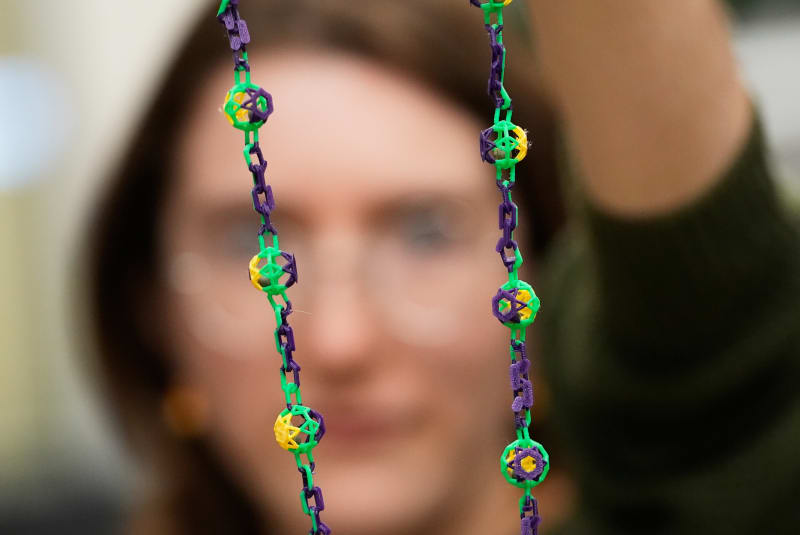
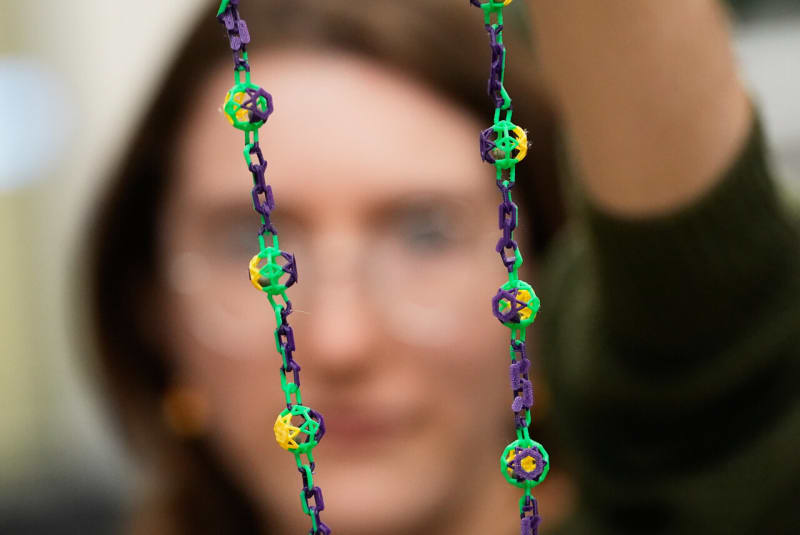
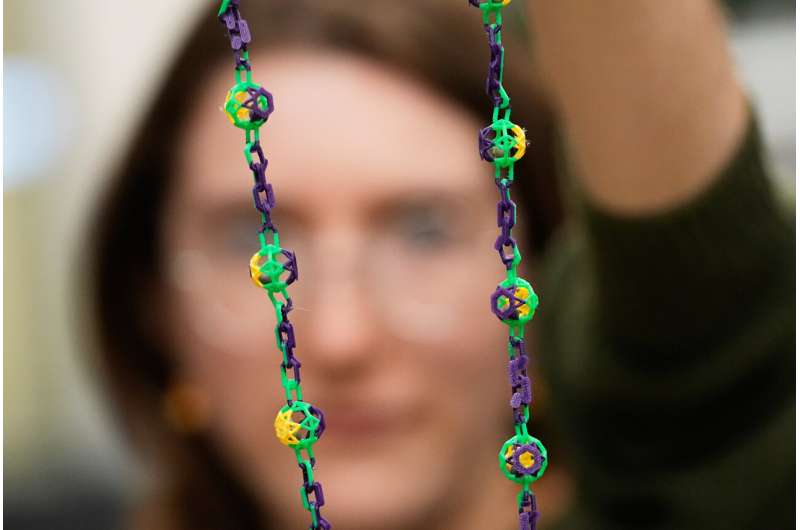
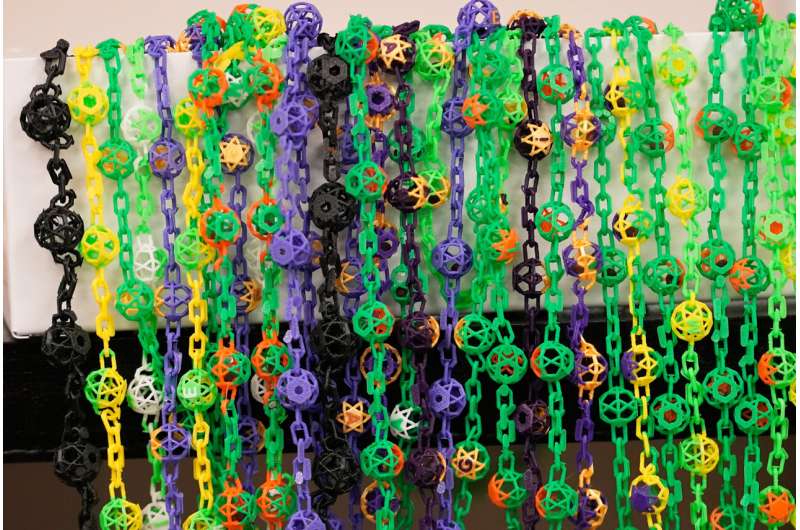
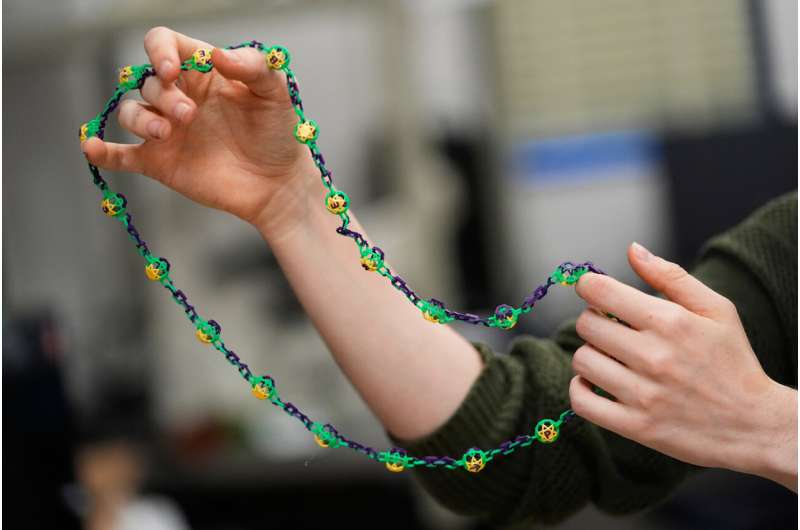
Graduate student Alexis Strain at Louisiana State University has created biodegradable beads that parade goers can actually plant in their gardens. The hollow spheres contain okra seeds and break down naturally with help from bacteria attracted to the growing plants.
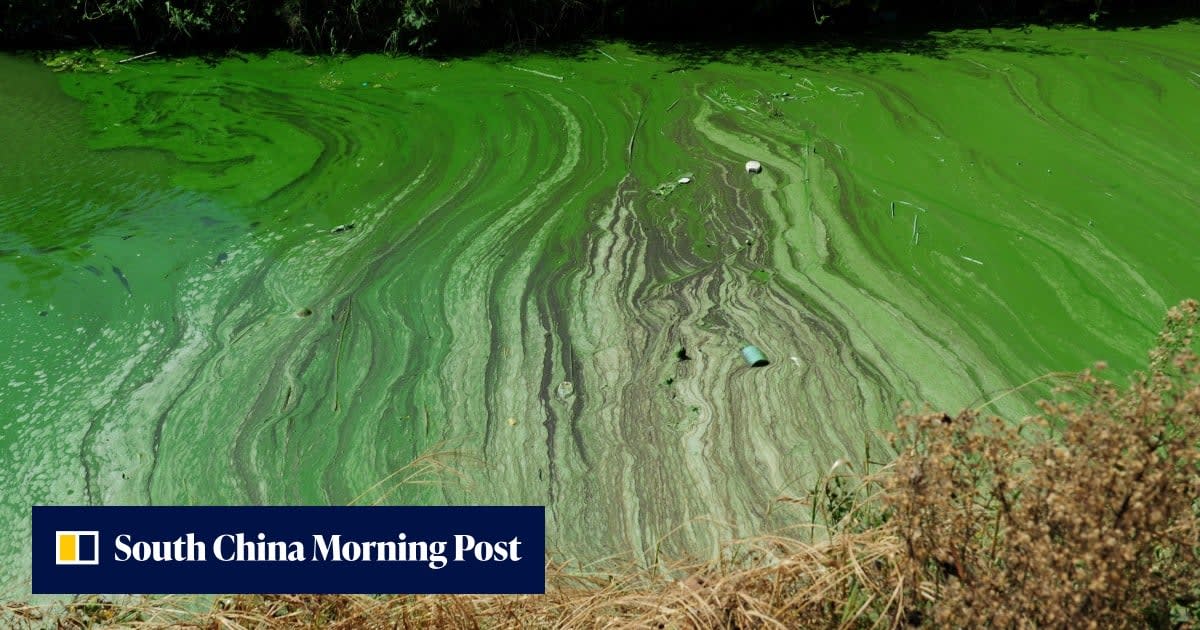
The innovation comes after New Orleans discovered a staggering problem. Following heavy flooding, the city pulled more than 46 tons of plastic beads from clogged storm drains. Those that escaped the drains washed directly into Lake Pontchartrain, threatening marine life.
The Krewe of Freret took a bold step last year by banning plastic beads entirely from their parade. Co-founder Greg Rhoades said riders loved the change because spectators don't even want cheap plastic beads anymore. "They dodge out of the way when they see cheap plastic beads coming at them," he explained.
This year, Freret and two other krewes are throwing the new PlantMe Beads instead. Strain 3D prints them from polylactic acid, a commercially available material made from plant starches. The beads cost more to produce than petroleum-based imports, but they offer something traditional beads can't: they disappear without harming the environment.
Professor Naohiro Kato, who leads the LSU lab, first attempted biodegradable beads in 2018 using bioplastic from microalgae. Production costs proved too high, so Strain experimented with 3D printing technology to create a more affordable version.
The lab produced 3,000 PlantMe Bead necklaces for the 2026 Carnival season. They're giving them to three krewes in exchange for feedback on design and spectator response.
The Ripple Effect
The sustainable Mardi Gras movement extends beyond beads. Parade organizers increasingly throw food, soaps, and sunglasses instead of cheap plastic. The Pontchartrain Conservancy just received a grant to measure whether these efforts are reducing the celebration's environmental footprint.
Trail from the Conservancy points out that Mardi Gras generates about 2.5 million pounds of trash total. Beads represent just one piece of a much larger waste problem the city is working to solve.
Kato envisions an even bigger transformation. He's talking with local schools about turning bead-making into community projects where students learn about bioplastics and plant biology while creating their own throws. The lab continues exploring ways to make algae-based bioplastic commercially viable too.
Ironically, some people told Kato they love the PlantMe Beads so much they want to keep them as keepsakes. He laughed at the contradiction, noting that petroleum plastic would actually last longer for collectors.
Rhoades said Freret embraces the ultimate goal: throwing things people actually value rather than items that end up in landfills or storm drains. The krewe's experiment proves that Mardi Gras tradition can evolve without losing its joy.
More Images
Based on reporting by Phys.org
This story was written by BrightWire based on verified news reports.
Spread the positivity!
Share this good news with someone who needs it