Luxury Yacht Maker Fined for Using Myanmar 'Blood Timber
A major luxury yacht company is being held accountable for using illegally sourced teak linked to Myanmar's military junta. The prosecution sends a clear message that environmental laws protecting forests and human rights matter.
When luxury yacht maker Sunseeker pleaded guilty to violating U.S. environmental law in May 2026, it marked a rare victory for accountability in the global timber trade. The UK-based company admitted to using illegally sourced teak from Myanmar on two yachts imported into the United States.
The yachts, valued at nearly $3 million and $1 million, contained teak components that violated the U.S. Lacey Act. This regulation prohibits trade in plant and wildlife products sourced through illegal means, whether under U.S. or foreign laws.
Sunseeker, which calls itself "the world's leading brand for luxury motor yachts," will pay a $200,000 fine and implement a compliance plan. The company faces sentencing in August 2026 and had already been fined over $454,000 in the UK for similar violations in 2024.
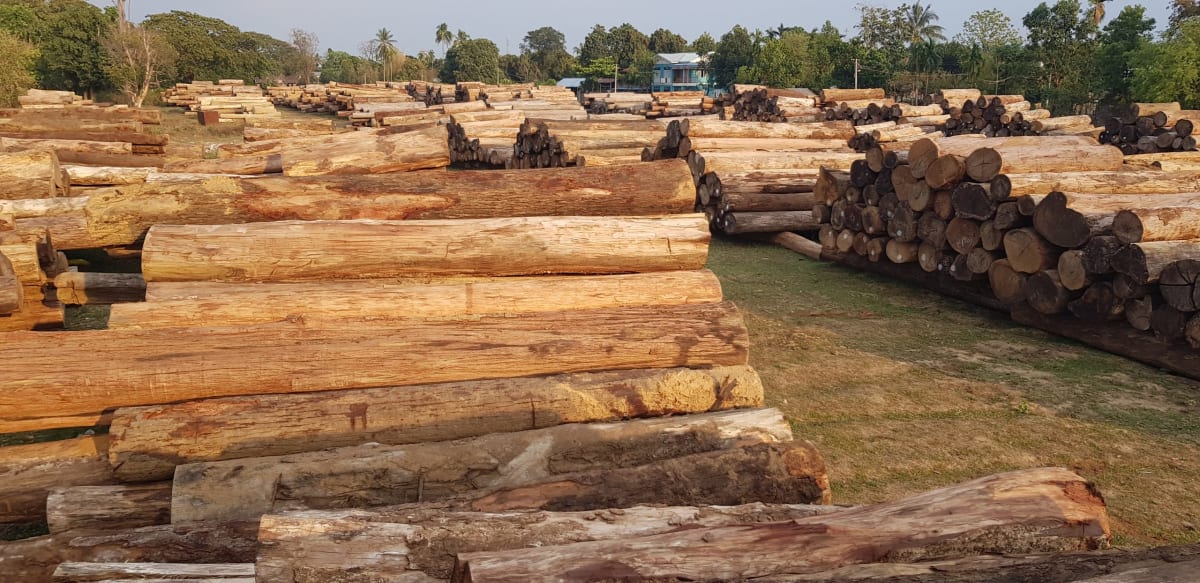
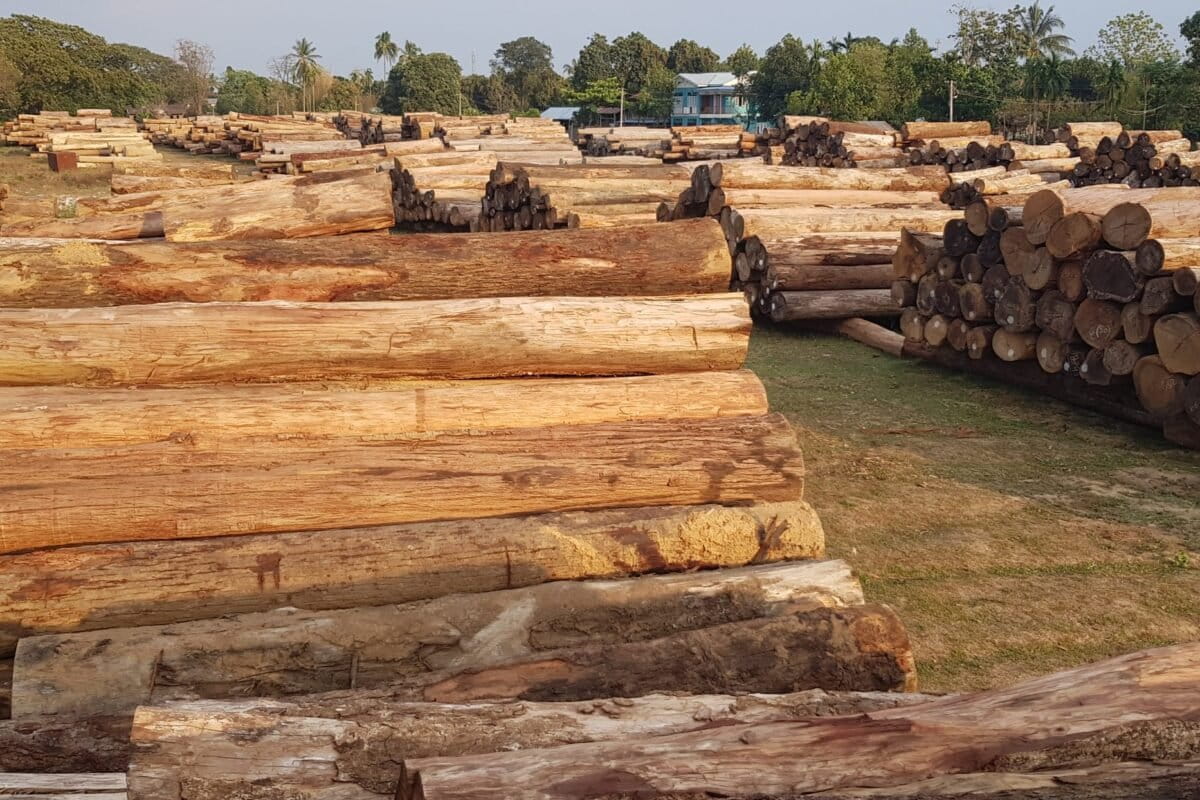
The case shines a spotlight on Myanmar's "blood timber" trade. Much of the teak from Myanmar has links to illegal logging, smuggling, and revenue that flows directly to the country's military junta, which seized power in a 2021 coup.
Since that coup, the junta has been connected to widespread human rights atrocities and violence against civilians. The U.S., UK, and EU have all imposed sanctions on Myanmar's timber sector in response.
The Environmental Investigation Agency first flagged Sunseeker's risky supply chain practices back in 2018. Faith Doherty, the organization's forests campaign leader, says cases like this matter because they connect environmental protection with human rights, corruption, and corporate responsibility.
The Bright Side
This prosecution proves that luxury brands can't hide behind beautiful products when their supply chains fund violence and environmental destruction. Environmental laws with real teeth are catching companies that treat fines as just another business expense.
Justice For Myanmar spokesperson Yadanar Maung welcomed the U.S. action while calling for broader timber import bans. Her message is simple: the teak trade has fueled violence and forest destruction in Myanmar for far too long.
While advocates say the fines remain small compared to yacht prices and teak profits, the dual prosecutions across two countries show increasing international cooperation. When governments work together to enforce environmental laws, accountability becomes harder to avoid.
Companies now face a choice: clean up supply chains or risk prosecution, fines, and reputation damage across multiple countries.
More Images

Based on reporting by Mongabay
This story was written by BrightWire based on verified news reports.
Spread the positivity!
Share this good news with someone who needs it