Madagascar's Hidden Baobab Species Could Save Endangered Trees
Scientists in Madagascar just discovered that some of the island's iconic baobab trees are actually a completely separate species, a finding that could unlock new resources to protect these threatened giants. The genetic detective work required climbing over 100 feet into the canopy at night to catch flowers that bloom for just one month.
After 40 years of studying baobabs, researcher David Baum thought he knew these towering trees inside and out. Then his PhD student discovered an entirely new species hiding in plain sight across Madagascar.
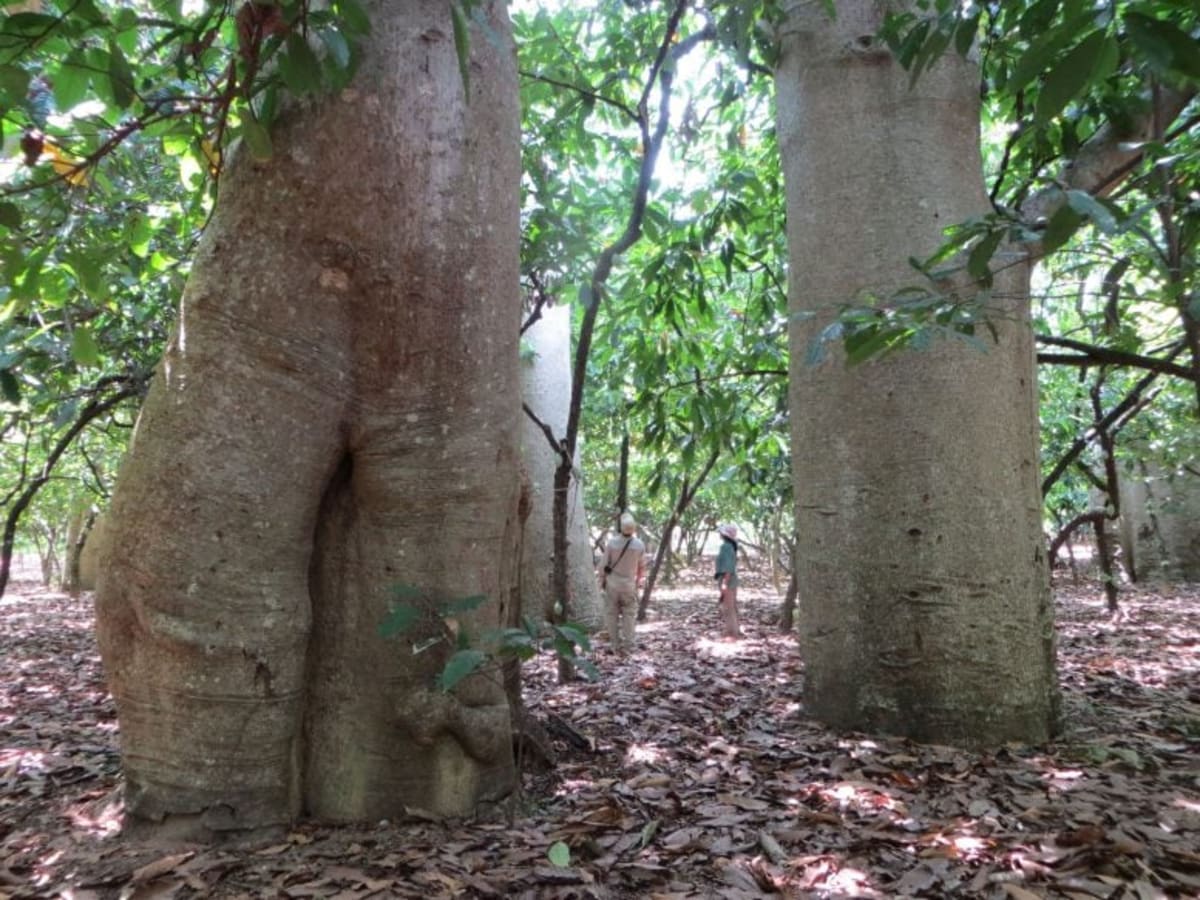
Nisa Karimi from the University of Wisconsin-Madison used cutting-edge genetic analysis to prove that northern baobab populations aren't the same species as their southern neighbors, despite looking nearly identical. The trees previously labeled as Adansonia za are actually Adansonia bozy, a distinct species found nowhere else on Earth.
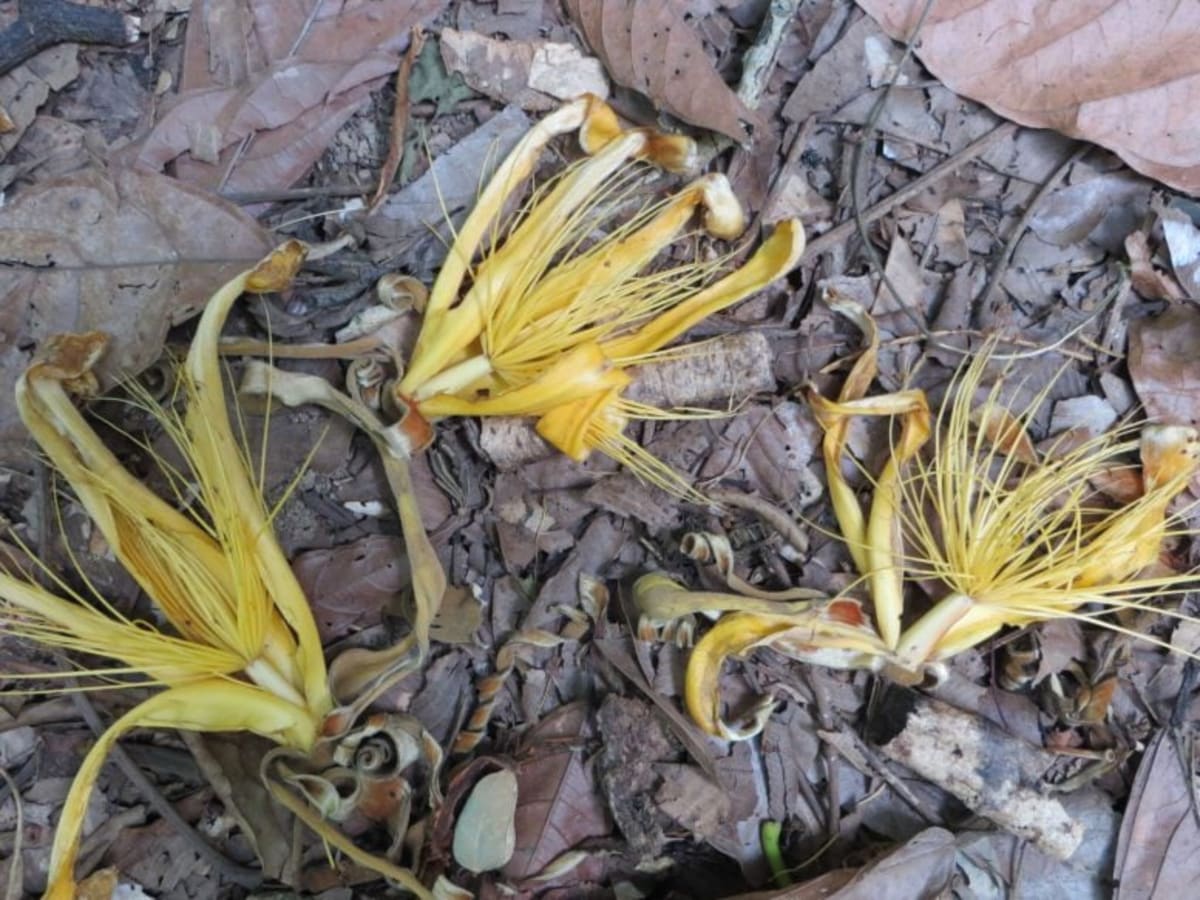
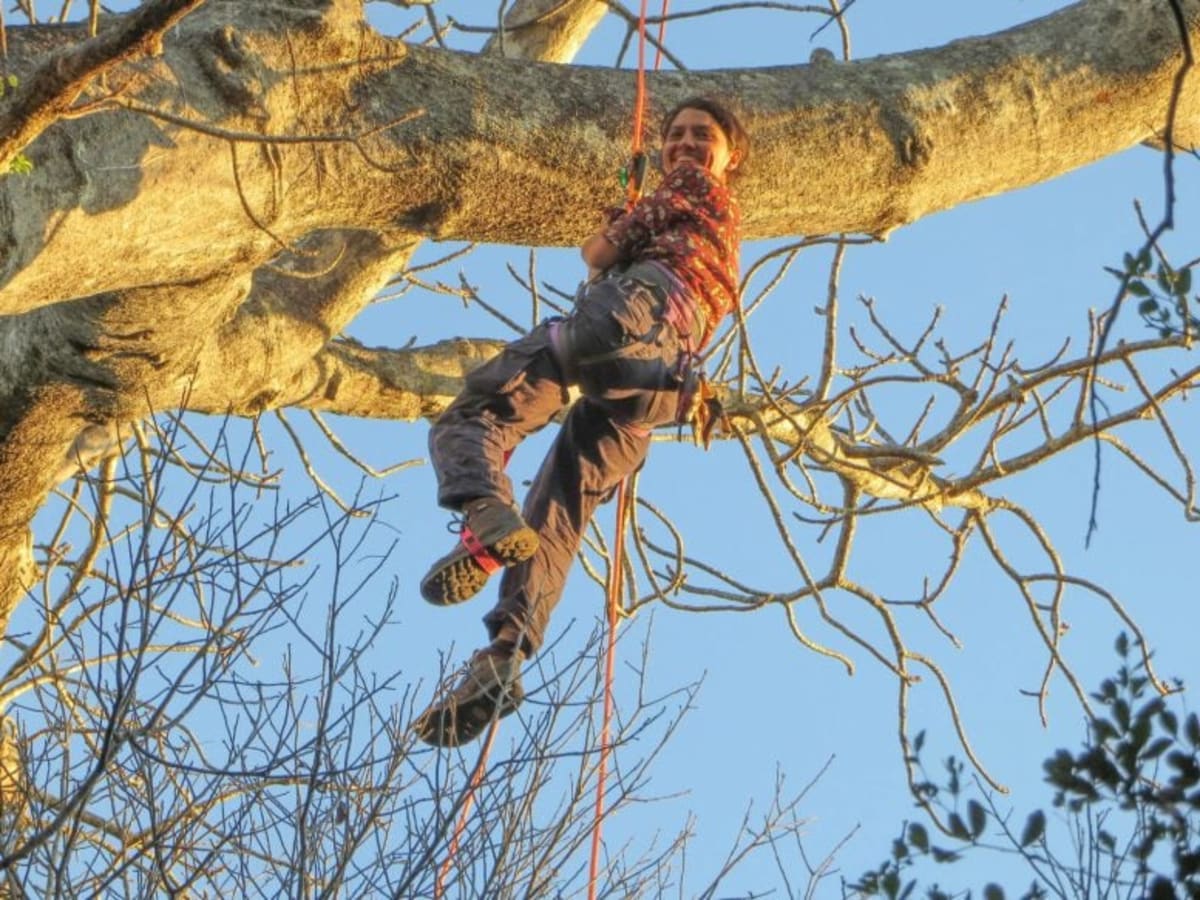
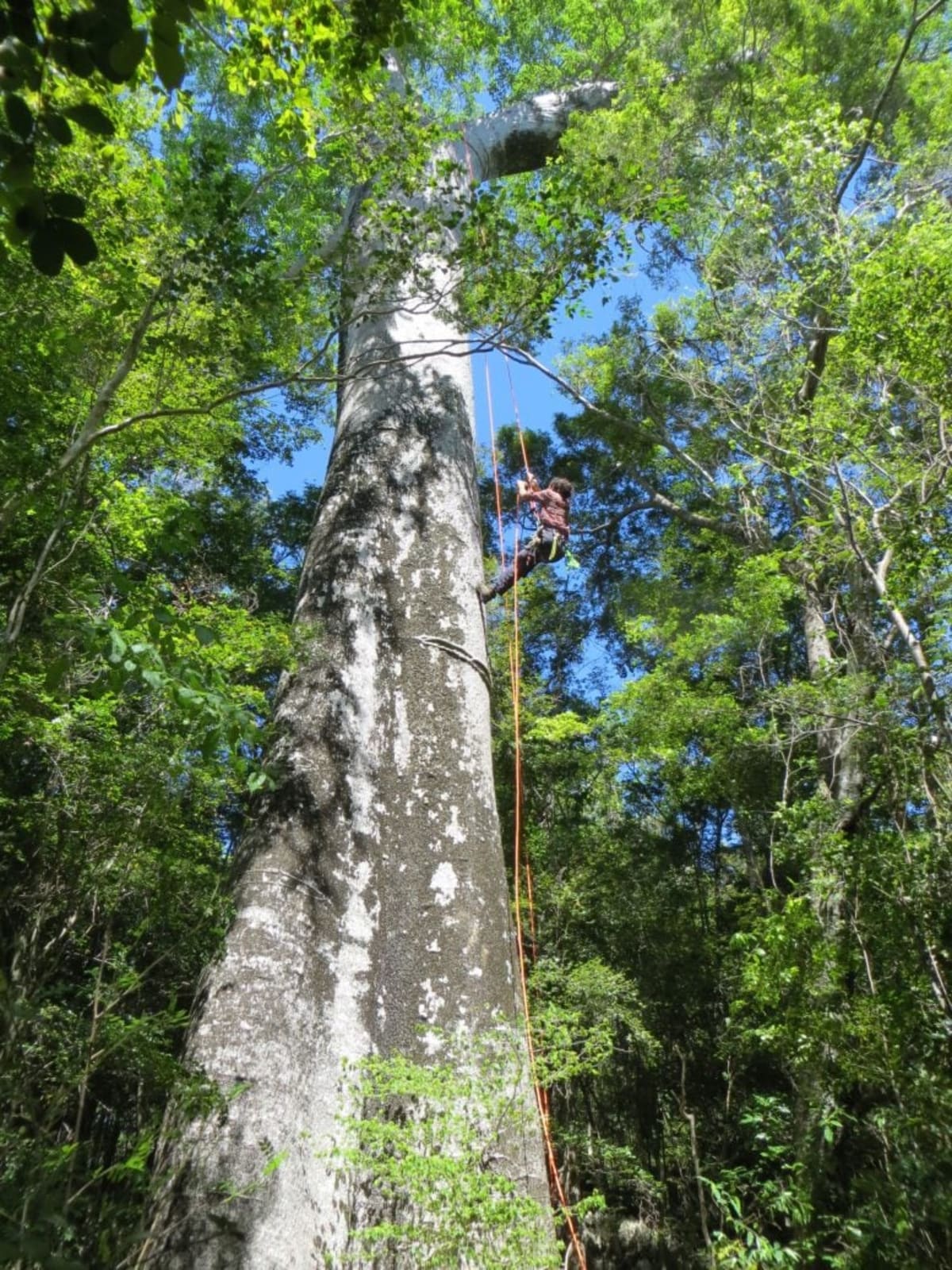
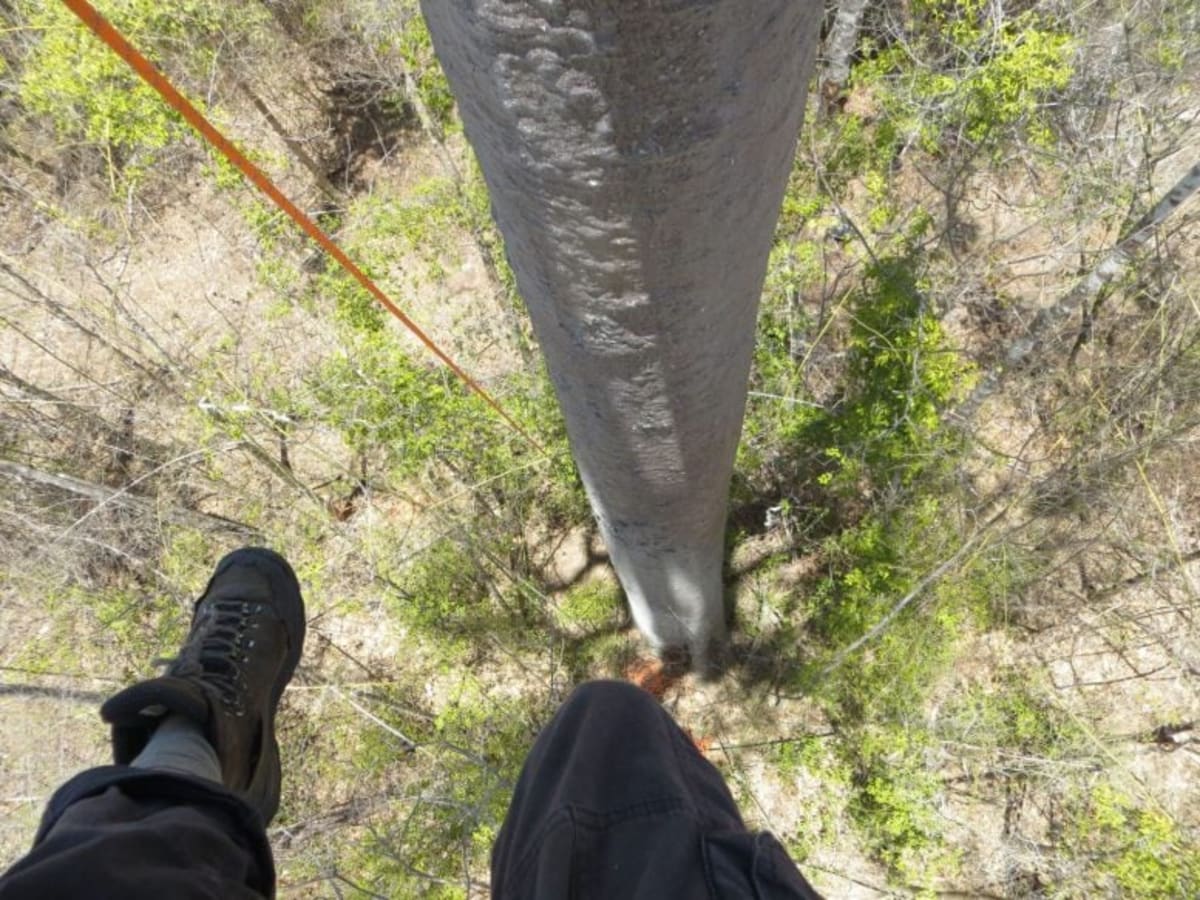
The discovery wasn't easy. Karimi had to trek into remote corners of Madagascar and scale massive trunks using specialized climbing equipment, sometimes dangling more than 100 feet above ground. She could only identify the trees during their brief one-month blooming period when flowers open after dusk.
Back in Wisconsin, the science got even trickier. The baobab leaves turned slimy during DNA extraction because they're packed with polysaccharides, which fragments genetic material. After considerable trial and error, Karimi cracked the code and got the high-quality DNA needed to analyze hundreds of genes.
The genetic evidence revealed something surprising. Despite sharing physical features with southern baobabs, A. bozy is actually more closely related to other northern Madagascar species. The trees had been masquerading as the wrong family branch.
Why This Inspires
This discovery means more than just adding another name to the taxonomy textbooks. Recognizing A. bozy as its own species could redirect conservation funding toward protecting these endangered giants.
Madagascar often prioritizes resources for threatened and endangered species. Now that A. bozy has its own classification, it becomes eligible for dedicated conservation efforts it might not have received otherwise.
The reclassification also raises important questions about A. za, the species that just lost a chunk of its population to the newly recognized A. bozy. With fewer trees and a smaller range than scientists previously thought, A. za might need its own conservation status upgrade.
Karimi believes this is just the beginning. She suspects more undiscovered baobab species remain hidden in Madagascar's remote forests, waiting for someone willing to climb high enough to find them. "You can't conserve anything if you don't know how to describe and name them," she explains.
The team plans to continue their detective work, including investigating whether another widespread baobab species, A. rubropstipa, should also be split into separate groups. Each discovery brings scientists closer to understanding Madagascar's true biodiversity and protecting it before it's too late.
Sometimes the biggest breakthroughs come from looking more closely at what's been right in front of us all along.
More Images
Based on reporting by Google News - Scientists Discover
This story was written by BrightWire based on verified news reports.
Spread the positivity!
Share this good news with someone who needs it