Maine Volunteers Save Thousands of Frogs on 'Big Night
Every spring, over 1,200 volunteers drop everything to help frogs and salamanders safely cross Maine roads during their annual migration. Their citizen science efforts are now reshaping how communities design roads and culverts to protect wildlife.
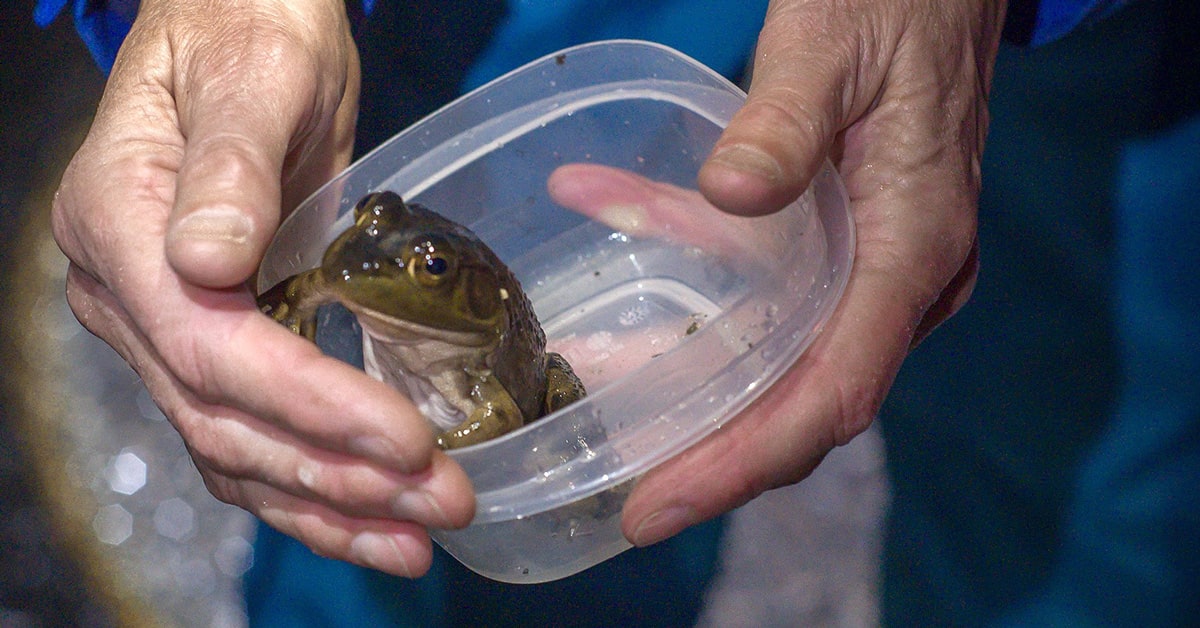
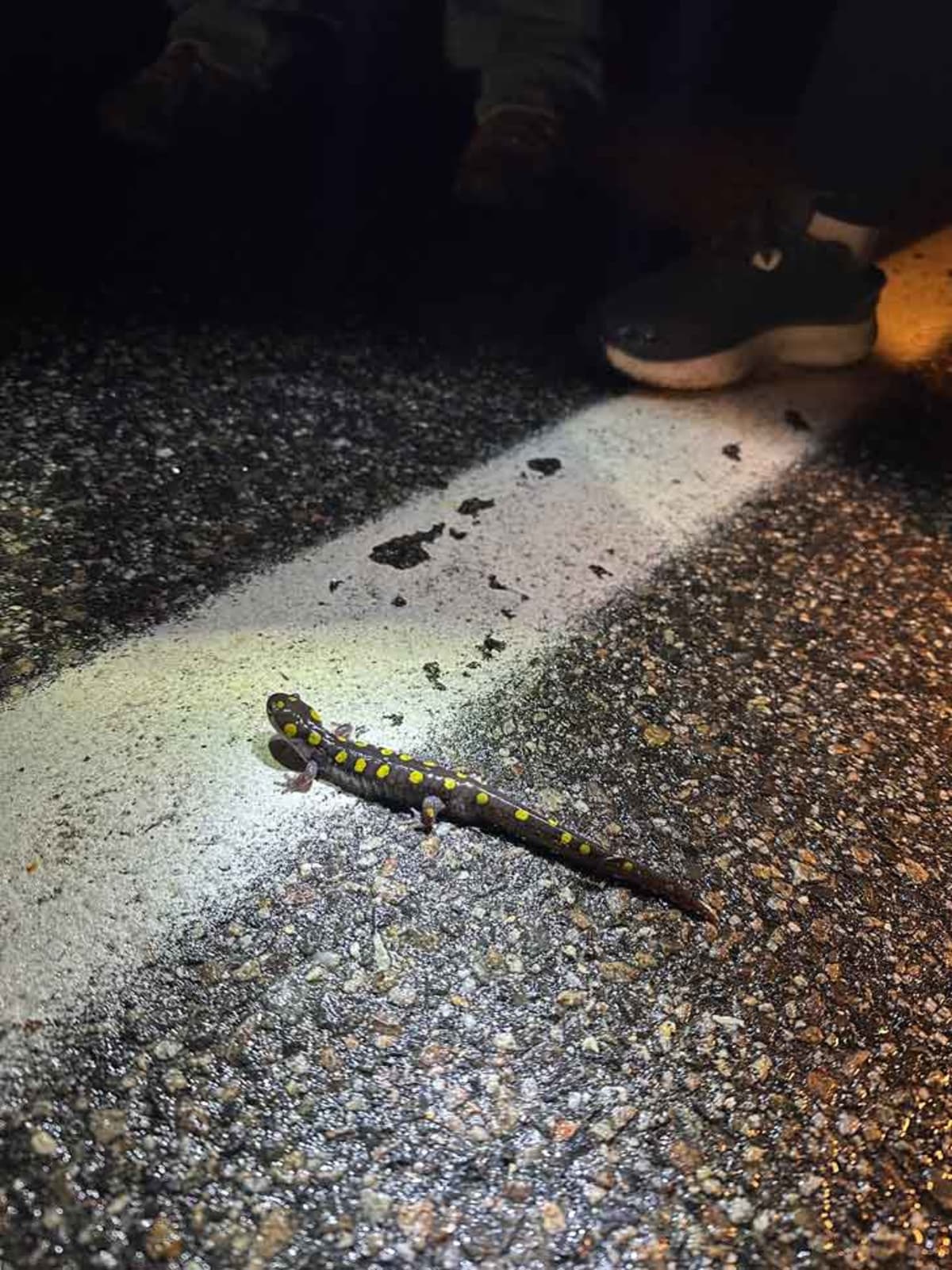
On one rainy April evening in Cumberland, Maine, hundreds of volunteers in neon vests flooded the streets with flashlights, helping thousands of frogs and salamanders cross the road. They weren't just being kind—they were saving an entire ecosystem.
Every spring, when temperatures warm and rain begins to fall, armies of frogs and salamanders emerge from Maine's forests. They follow ancient routes to the vernal pools where they were born, hopping and crawling through the night to lay their eggs.
The problem? Modern roads cut straight through their migration paths. Without help, most wouldn't survive the journey.
For the past decade, "Big Night" volunteers have acted as crossing guards for these tiny travelers. But since 2018, a nonprofit called Maine Big Night has transformed the effort into something bigger. Now, volunteers don't just shepherd animals to safety—they collect data at 650 migration sites across the state.
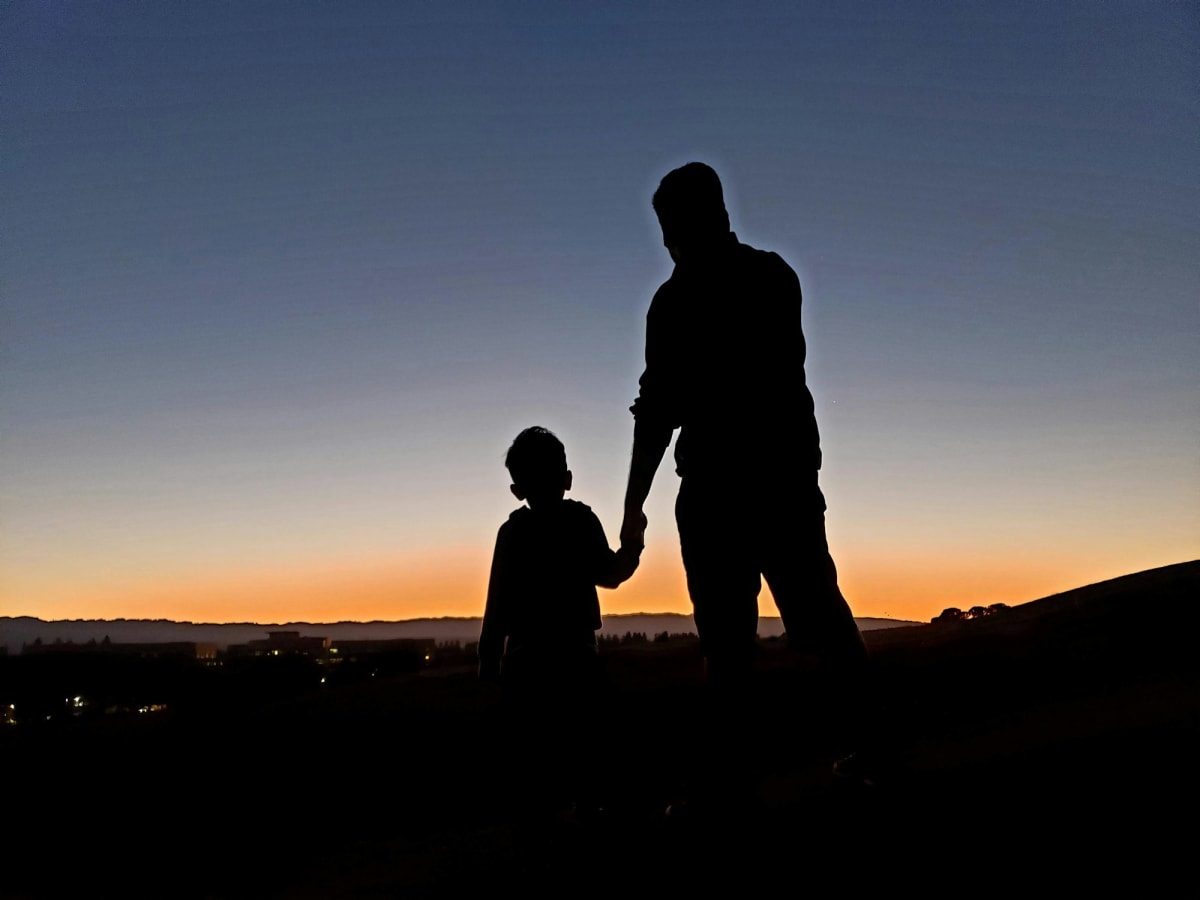
"When we first came, it was just bringing frogs and salamanders over," said Tim Kaijala, who volunteers with his kids Theo, 10, and Kai, 8. "But the last couple years it's been more about counting and keeping track."
The data is making real change happen. When numbers showed eight out of 10 amphibians were getting hit by cars in Orono, Maine Big Night worked with city officials to secure grants for fencing and cameras. When volunteers spotted disease linked to road salt runoff, they pushed for alternatives like pickle juice for deicing.
Greg LeClair founded Maine Big Night because he knew love alone wouldn't save the creatures. "Nobody will give you the money unless you have data," he said. Infrastructure improvements and land conservation require proof, especially for animals people often overlook.
The approach is working smarter, too. Scientists once thought specialized culverts were the only solution, costing tens of thousands of dollars. But camera footage in Orono showed frogs and salamanders already using existing crossings—simple fencing might be just as effective for a fraction of the cost.
The Ripple Effect
Protecting amphibians protects far more than frogs. These creatures form the foundation of New England's food web. Their eggs, larvae, and adults feed countless other species, from birds to fish to mammals.
Climate change is making Big Night less predictable, with migration patterns shifting earlier and becoming harder to forecast. That makes the volunteer network even more valuable. This year, over 1,200 observers submitted observations, creating the most comprehensive amphibian migration data Maine has ever collected.
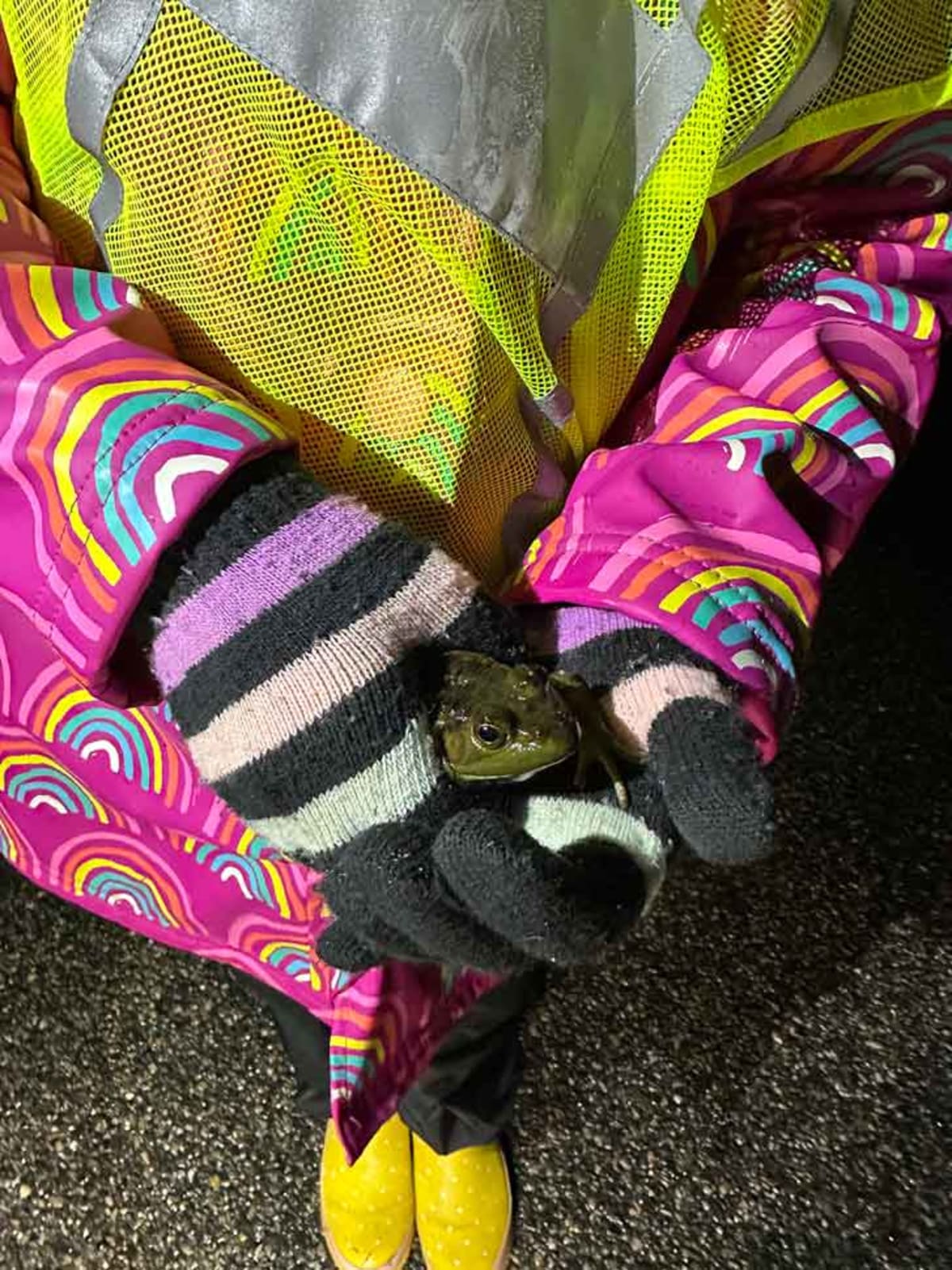
For young volunteers like Kai, the mission is personal. "I do not want any peepers to die," said Theo, remembering the time he ran into the road to save a spring peeper from an oncoming car. "If I stepped on one, I would never forgive myself."
Thanks to these dedicated volunteers, thousands more frogs will make it home this spring—and communities are building a future where roads and wildlife can coexist.
More Images


Based on reporting by Google: volunteers help
This story was written by BrightWire based on verified news reports.
Spread the positivity!
Share this good news with someone who needs it