Malawi Farmer's Organic Success Empowers 2,000+ Women
A Malawi woman turned a side hustle into a thriving organic farm generating $1,200 weekly, now mentoring 2,000 women farmers across Southern Africa. Her secret? Land ownership and sustainable farming techniques that work together.
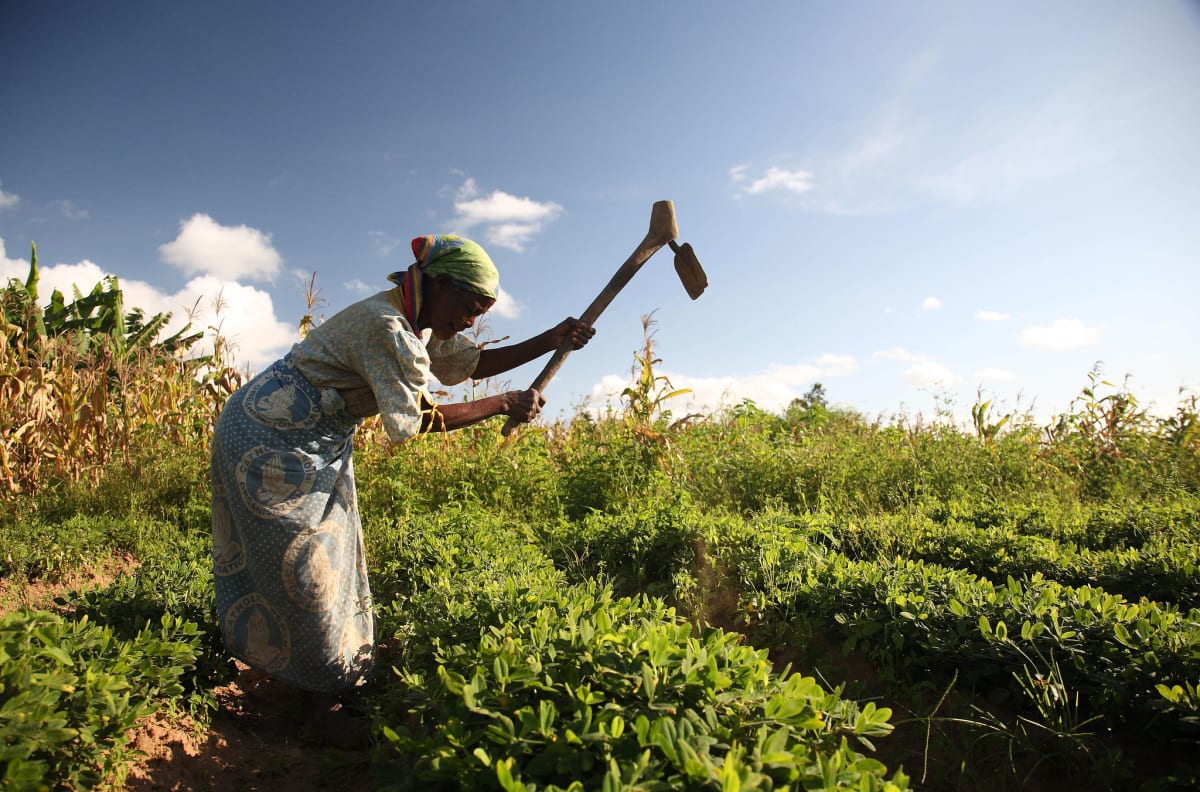
Diana Sitima's 8.6-acre farm in southern Malawi proves that owning your land and working with nature can transform lives.
What started as a side project in 1993 while working as an office assistant has become a commercial success story. Sitima used microloans to rent small plots, carefully saving every dollar until 2006 when she bought her own property.
That purchase changed everything. With secure land ownership, Sitima could finally invest in long-term sustainable farming practices that renters can't afford to try.
Today her farm runs almost entirely on its own resources. A biodigester converts animal manure into cooking gas and powers her egg incubator. Aquatic ferns she grows supplement livestock feed. The animals and crops support each other in a continuous cycle that eliminates the need for expensive synthetic fertilizers.
The diversity makes the difference. While her neighbors focus mainly on maize, Sitima grows fruits, vegetables, raises livestock, and maintains fishponds. This variety protects her soil health and creates multiple income streams.
The numbers tell the story. Her farm generates approximately $1,200 in weekly sales and employs six full-time workers.
Sitima credits her success to constant learning. For twenty years, she's worked with government technical advisors, absorbing every lesson about soil-building and sustainable agriculture.
The Ripple Effect
Sitima isn't keeping her knowledge to herself. As chairperson of her local Rural Women's Assembly chapter, she mentors women farmers across the region.
The Rural Women's Assembly supports nearly 200,000 small-scale women farmers across 11 Southern African countries. In Malawi alone, the network includes over 2,000 members.
Through the Assembly, Sitima helps women access microfinance and learn techniques like agroforestry. Some farmers she's trained have doubled their maize harvests using these methods.
Her most passionate advocacy focuses on land ownership for women. She argues that without permanent land rights, women can't make the long-term investments that sustainable farming requires.
"When you are renting land or expect someone to push you out anytime, you can't implement your ideas," Sitima explains. Temporary arrangements force farmers into short-term thinking that depletes soil and limits growth.
Through the Rural Women's Assembly, she continues pushing for the financial and technical support that can help other women farmers achieve similar success. What works on her 8.6 acres, she believes, can become the standard rather than the exception across Southern Africa.
More Images


Based on reporting by Mongabay
This story was written by BrightWire based on verified news reports.
Spread the positivity!
Share this good news with someone who needs it