Malawi Cyclone Survivors Get Solar Power After Losing Homes
Families who lost everything to Cyclone Freddy now have electricity, clean cookstoves, and a path forward. A UN-backed program is proving that climate disaster recovery can build something better than what was there before.
When Cyclone Freddy swept through Malawi in 2023, it took homes, farms, and entire futures with it. Thousands of families ended up in relocation sites with nothing but each other and the hard task of starting over from zero.
Displacement brought hardships that stretched from dawn to dusk. Women and children walked hours every day just to gather firewood. Families cooked outdoors in the rain. When night fell, there was only darkness, expensive candles, and constant worry.
Over the past year, a joint UN program changed what recovery looks like. In four relocation communities across Chikwawa and Chiradzulu districts, families received energy-efficient cookstoves that slash firewood use and allow safe cooking under shelter, no matter the weather.
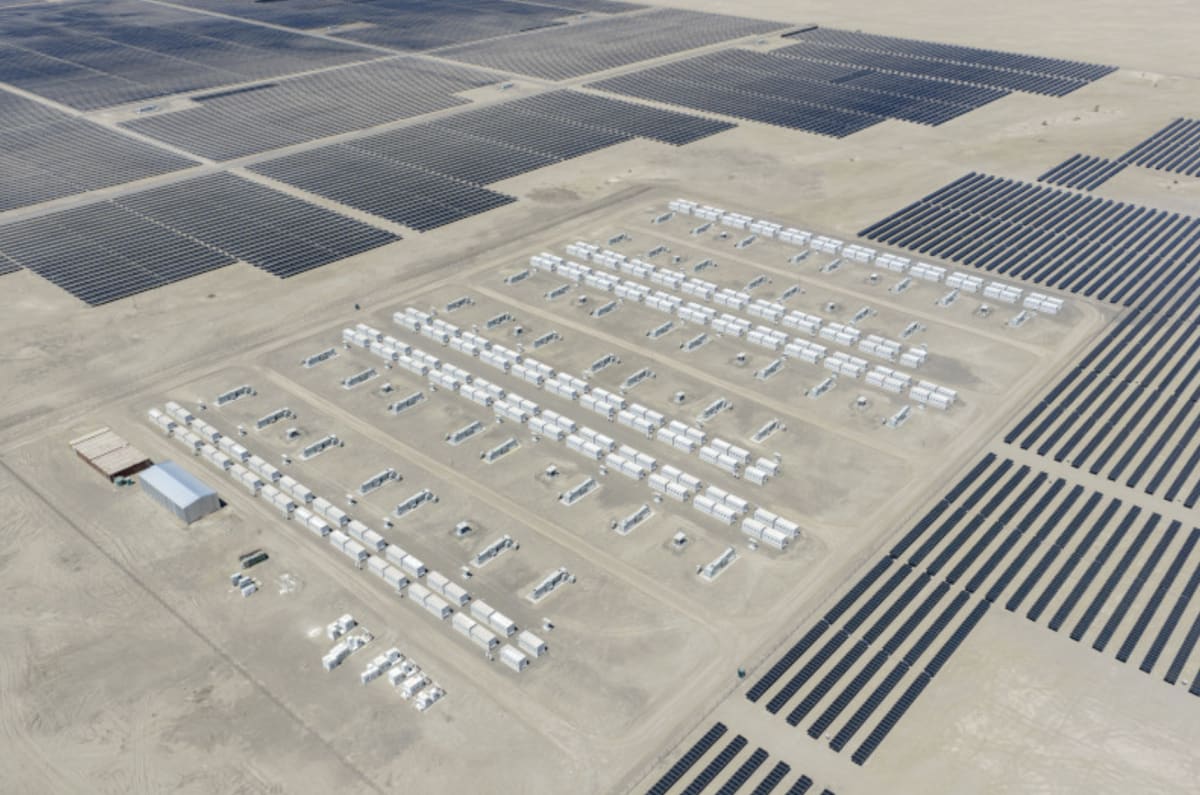
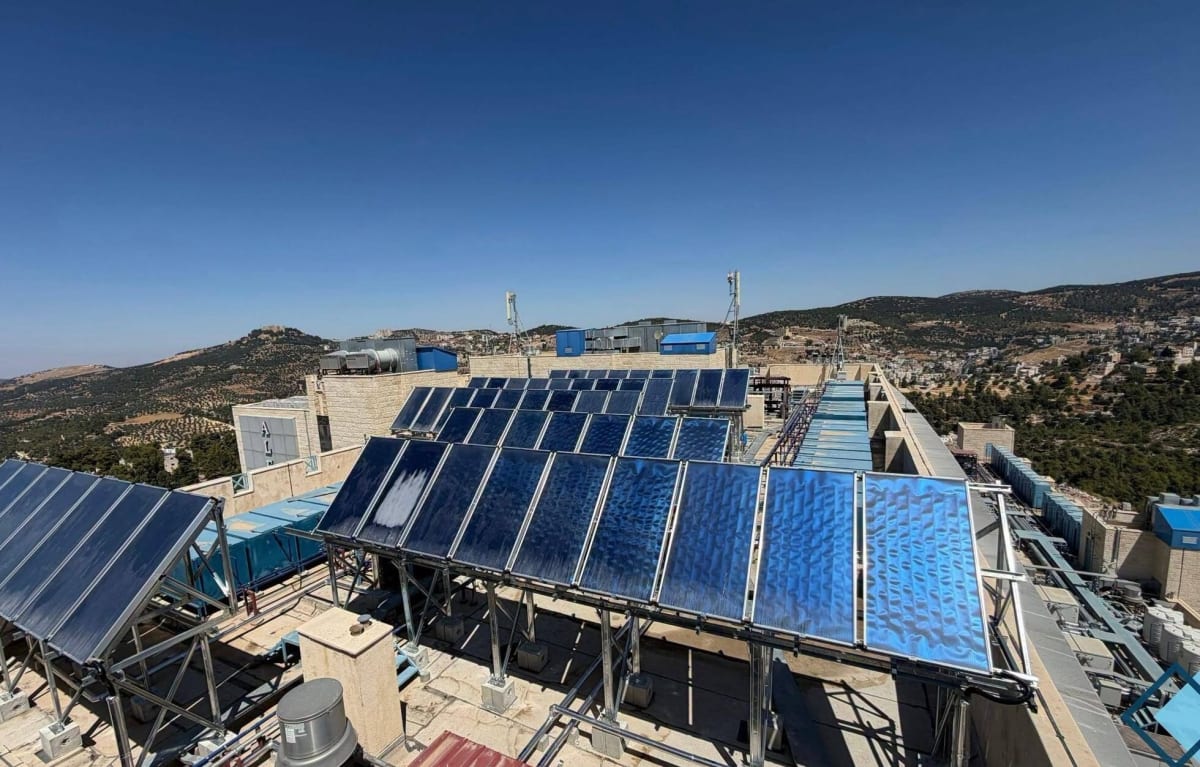
In Champhanda, the transformation went further. A 6-kilowatt solar mini-grid now powers 30 households directly, plus floodlights that brighten shared community spaces after dark. The system was built to meet official Malawi energy standards, and funding is already secured to expand it to 10 kilowatts.
"Before the mini-grid, nights were dark and full of worry," said Phillip Emmanuel, a Champhanda resident. "My children couldn't study after sunset, and we relied on candles that were expensive and unsafe. Now my wife can cook without rushing before dark, my children can read and dream bigger, and we feel safer."
The program reached 10,000 people at Dzaleka Refugee Camp too. A new pellet-making machine there turns dry grass, maize stalks, and groundnut shells into clean cooking fuel. It has already produced 15,000 pellets for 1,400 households, cutting dependence on costly charcoal.
The Ripple Effect
This wasn't designed as a temporary fix. Fourteen local artisans, mostly young people, learned to install and maintain solar systems. A Village Energy Committee now runs the mini-grid's daily operations while households contribute about 58 cents monthly to keep it running.
The district council committed to connecting the committee with a savings and loan association for long-term financial stability. That matters because real progress in places recovering from disaster depends on whether solutions survive after the aid workers leave.
The program even influenced national policy, helping update Malawi's climate action plans to recognize displacement as part of the country's climate response. In 2026, the European Union will fund an expansion to new households and new districts.
Malawi will face more climate shocks, but families in Champhanda now have light after dark, time once lost to firewood collection, and proof that rebuilding can create something stronger than before.
Based on reporting by Google News - Clean Energy
This story was written by BrightWire based on verified news reports.
Spread the positivity!
Share this good news with someone who needs it