Mammograms Now Detect Heart Disease Risk in Women
Routine breast cancer screenings can now identify women at risk for heart disease, the leading cause of death in women. A new study shows mammograms are doing double duty to save even more lives.
Your annual mammogram might be protecting you in more ways than you thought.
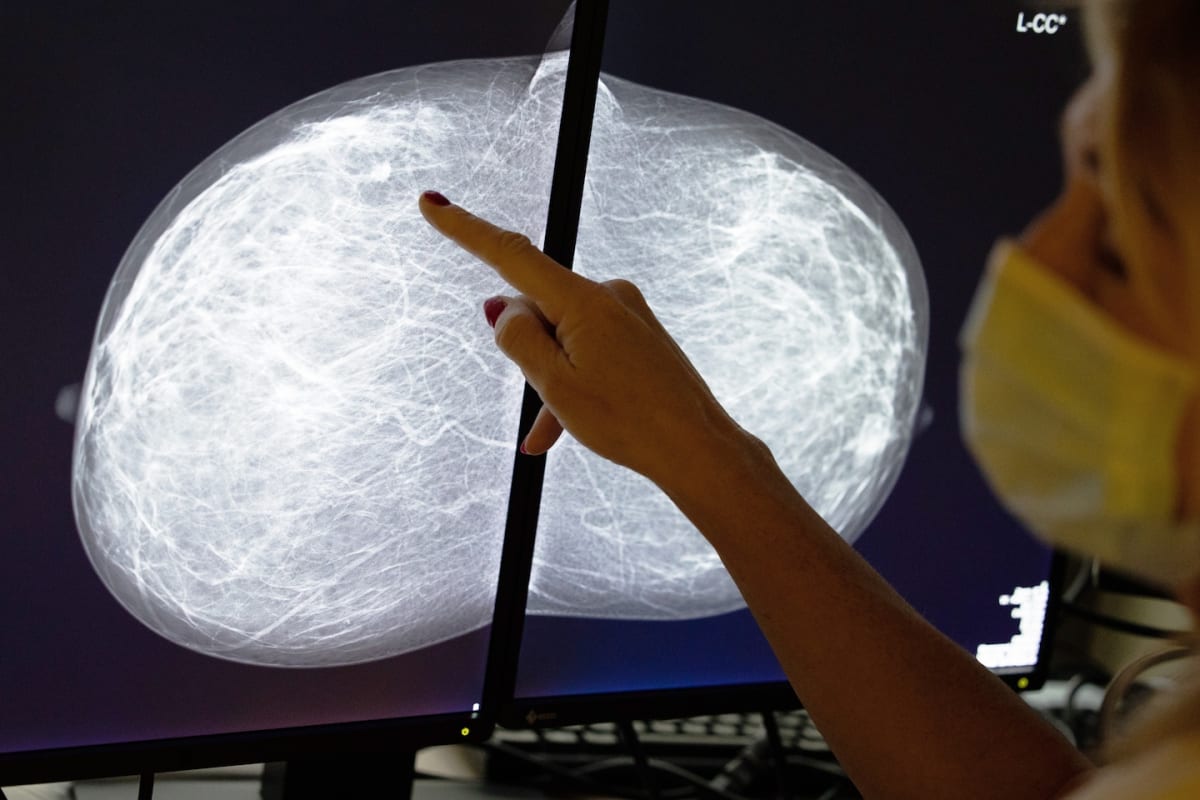
A groundbreaking study published in the European Heart Journal reveals that routine breast cancer screenings can simultaneously detect signs of heart disease. This discovery is especially significant for women, since heart disease remains their leading cause of death yet often goes unrecognized and undertreated.
The research shows that mammogram images can reveal calcium deposits in breast arteries, which serve as warning signs for cardiovascular problems. Radiologists can spot these indicators during standard cancer screenings without any extra tests, time, or cost to patients.
Heart disease kills more women than all forms of cancer combined, but many women still consider breast cancer their biggest health threat. Regular mammograms already screen millions of women each year for cancer. Now these same appointments could catch heart disease early enough to prevent heart attacks and strokes.
The findings have drawn enthusiastic support from both patients and medical professionals. Cardiologists reviewing the study praised the approach for its practical simplicity. Women sharing their experiences online noted how this dual screening could have saved lives in their families, where heart disease went undetected until it was too late.
The Ripple Effect
This breakthrough transforms an existing healthcare touchpoint into a more powerful prevention tool. Women already schedule mammograms regularly, so no new appointments or procedures are needed. The technology is already in place, and radiologists can be trained to recognize arterial calcium during their standard reviews.
The impact extends beyond individual patients. As more healthcare providers adopt this dual screening approach, millions of women could receive earlier warnings about heart disease. Early detection means more time for lifestyle changes, medication, and other interventions that prevent serious cardiac events.
This discovery also addresses a critical gap in women's healthcare, where heart disease symptoms are often overlooked or misdiagnosed. By making heart risk assessment a routine part of breast cancer screening, doctors gain another opportunity to start life saving conversations with their patients.
One routine test, two life saving screenings, and countless more women protected.
More Images



Based on reporting by Google News - Health
This story was written by BrightWire based on verified news reports.
Spread the positivity!
Share this good news with someone who needs it