Mammograms Now Detect Heart Disease Risk in Women
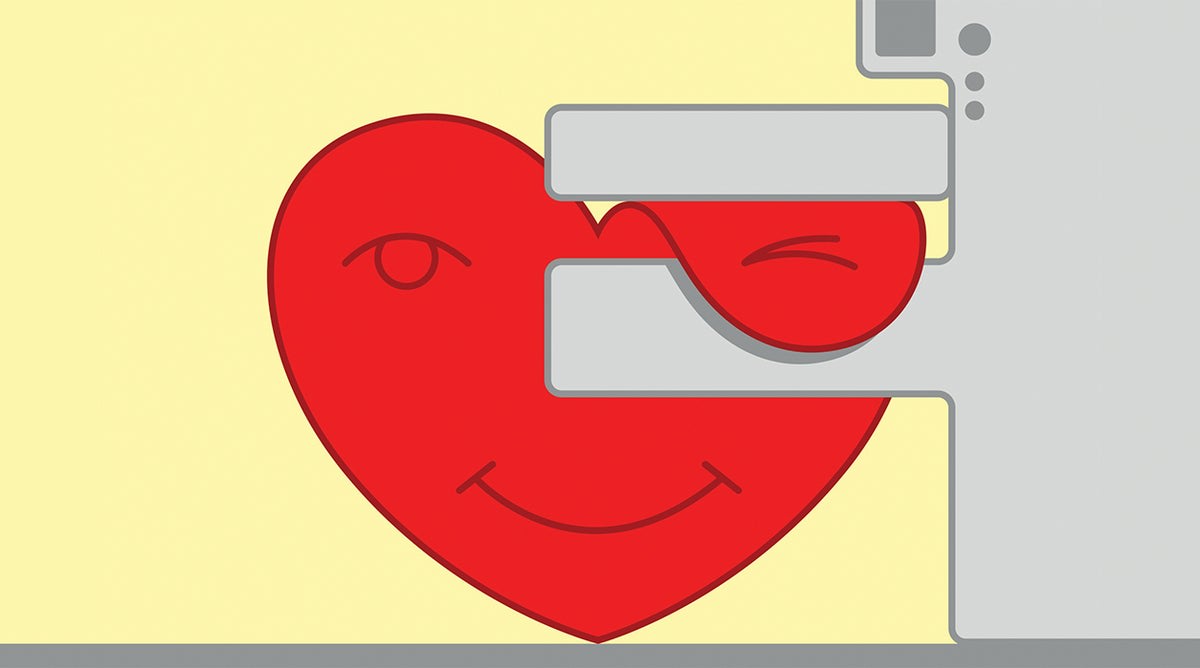
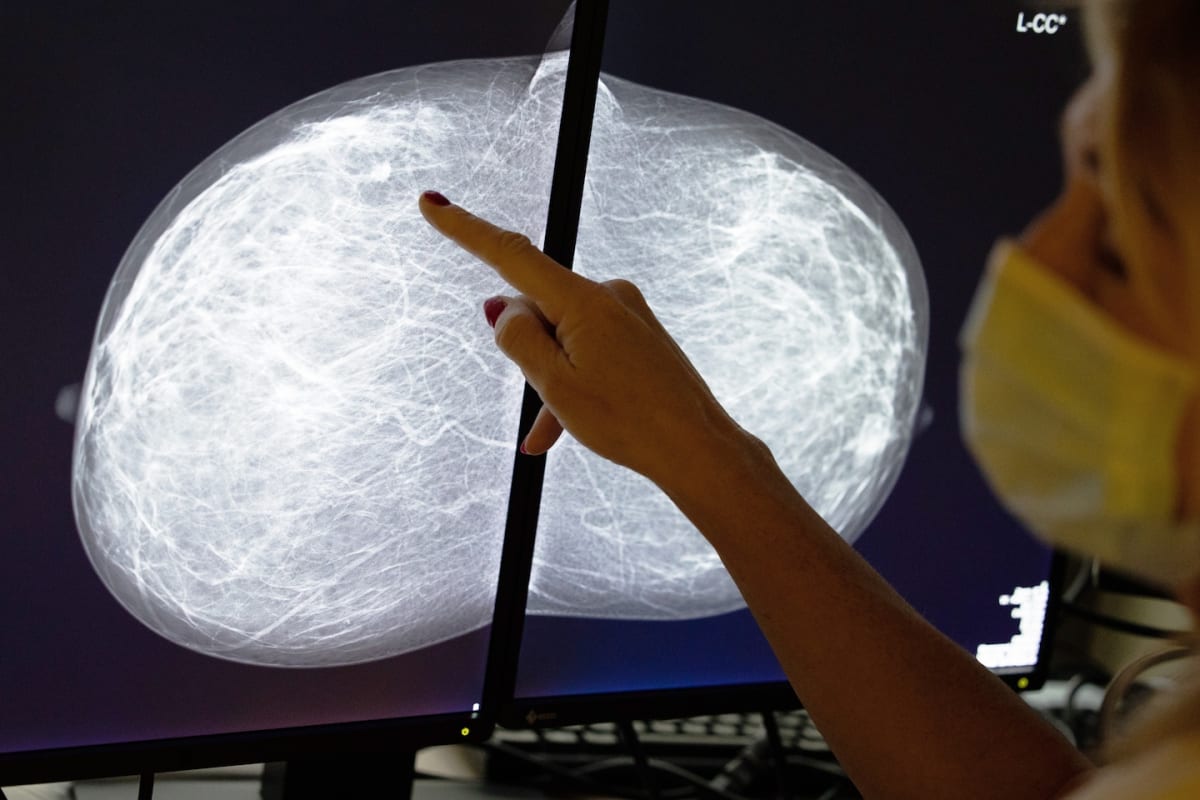
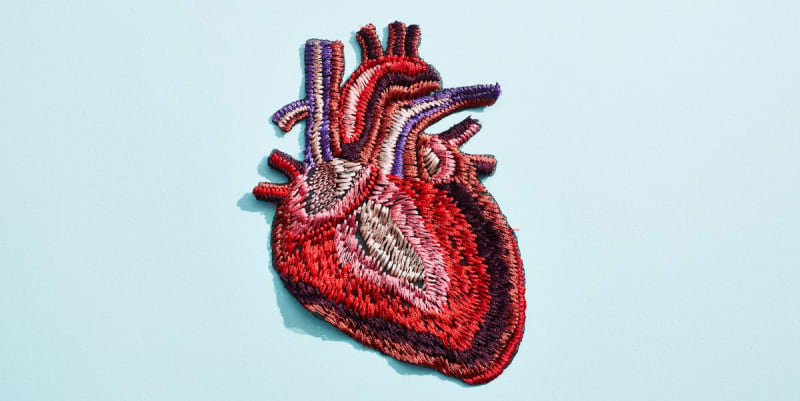
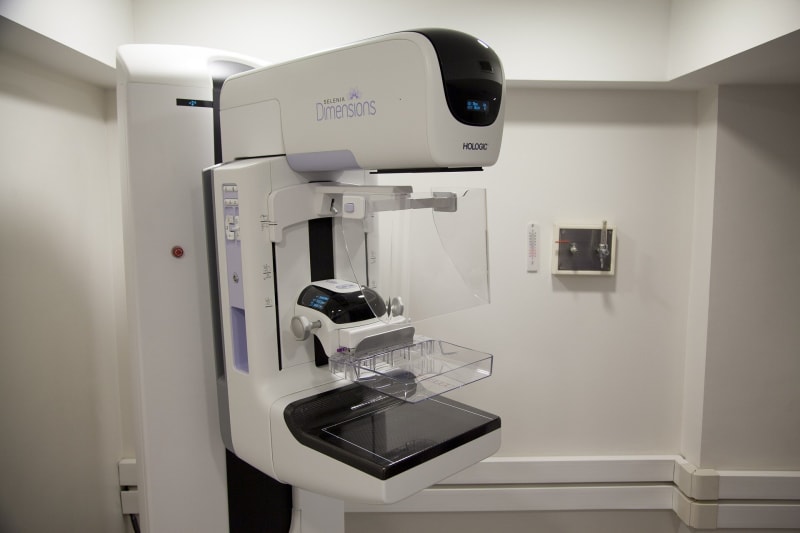
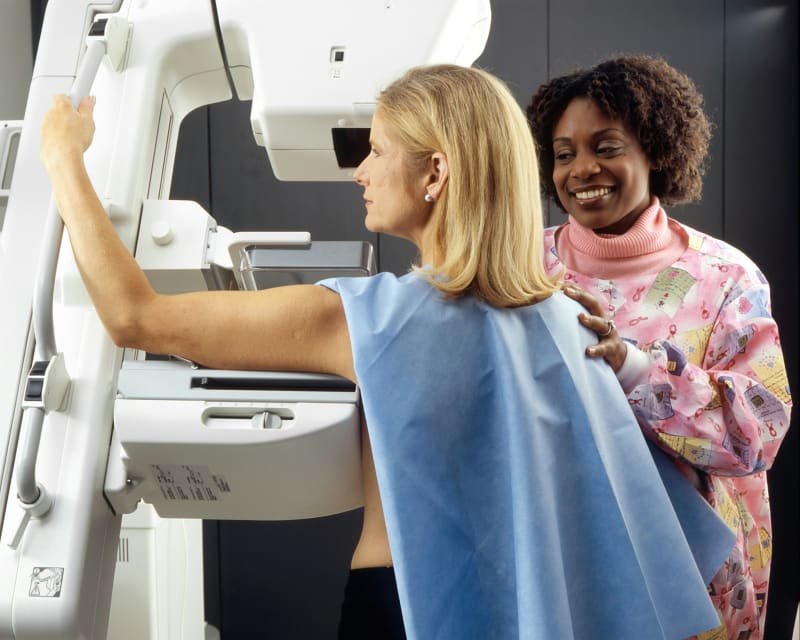
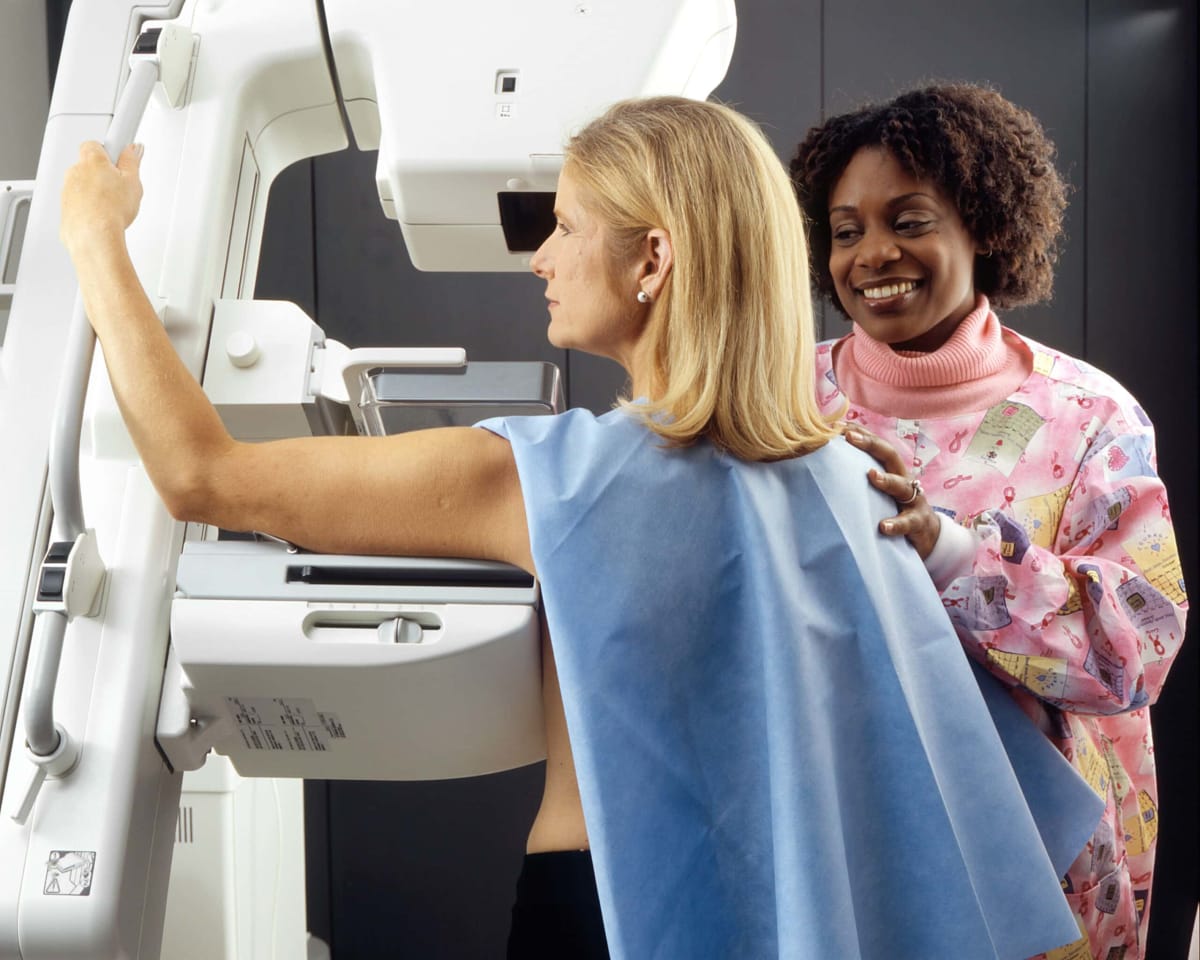
Routine breast cancer screenings can now identify women at risk for heart disease, the leading cause of death in women. A new study shows mammograms are doing double duty to save even more lives.
Find uplifting stories about heroes, innovations, and solutions
8 results for "mammograms"

Routine breast cancer screenings can now identify women at risk for heart disease, the leading cause of death in women. A new study shows mammograms are doing double duty to save even more lives.

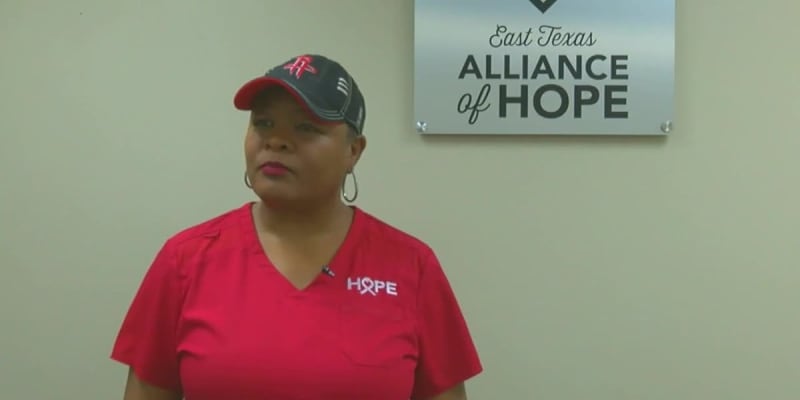
A nonprofit founded by a breast cancer survivor is hosting mobile mammograms in East Texas this week, making early detection screenings easier for the community. The East Texas Alliance of Hope has spent years helping people catch cancer early, when treatment works best.
Routine mammograms could soon screen for both breast cancer and heart disease in a single appointment. New research shows calcium deposits spotted in breast arteries predict cardiovascular risk with surprising accuracy.

The Careity Foundation has spent 21 years helping uninsured cancer patients navigate treatment, providing everything from mammograms to emotional support. At their recent survivor luncheon, 80 people gathered to celebrate journeys of hope and healing.
Women with dense breast tissue now have better options for catching early-stage cancers that regular mammograms miss. A major UK trial shows fast MRI and contrast mammography detect up to five times more cancers than ultrasound alone.
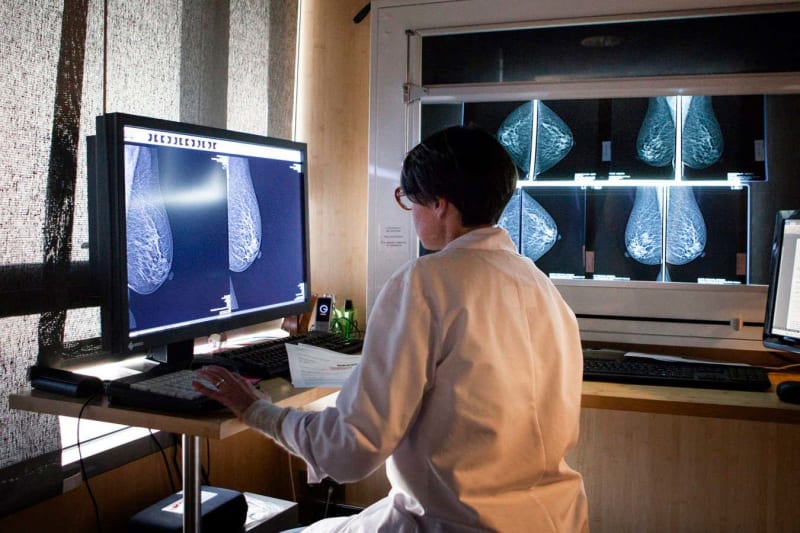
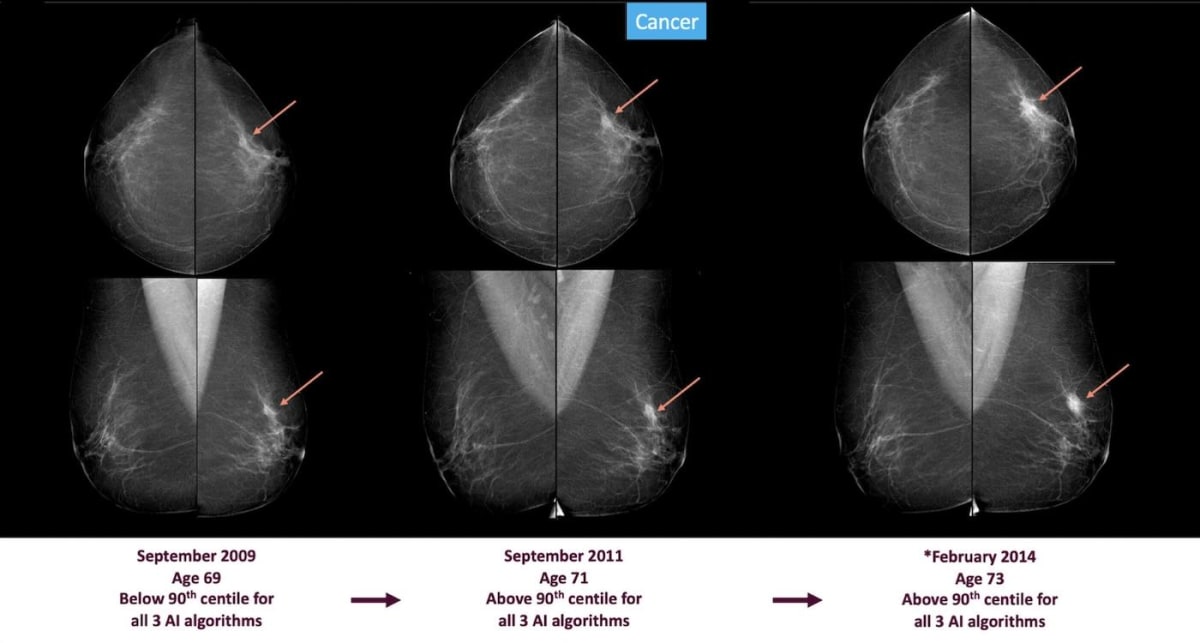
A groundbreaking Swedish study of 100,000 women shows AI-assisted mammograms catch more cancers between screenings and detect tumors earlier. The technology could save lives while cutting radiologists' workload nearly in half.

Women screened for breast cancer with AI assistance are 12% less likely to develop aggressive tumors between screenings. This breakthrough could transform how millions of women receive life-saving care.

A groundbreaking trial of over 100,000 Swedish women found that artificial intelligence support in breast cancer screening catches more cancers early and reduces aggressive cases diagnosed between screenings by 12%. The technology also cut radiologist workload nearly in half while improving detection rates.