Mammograms Now Predict Heart Disease Risk With AI
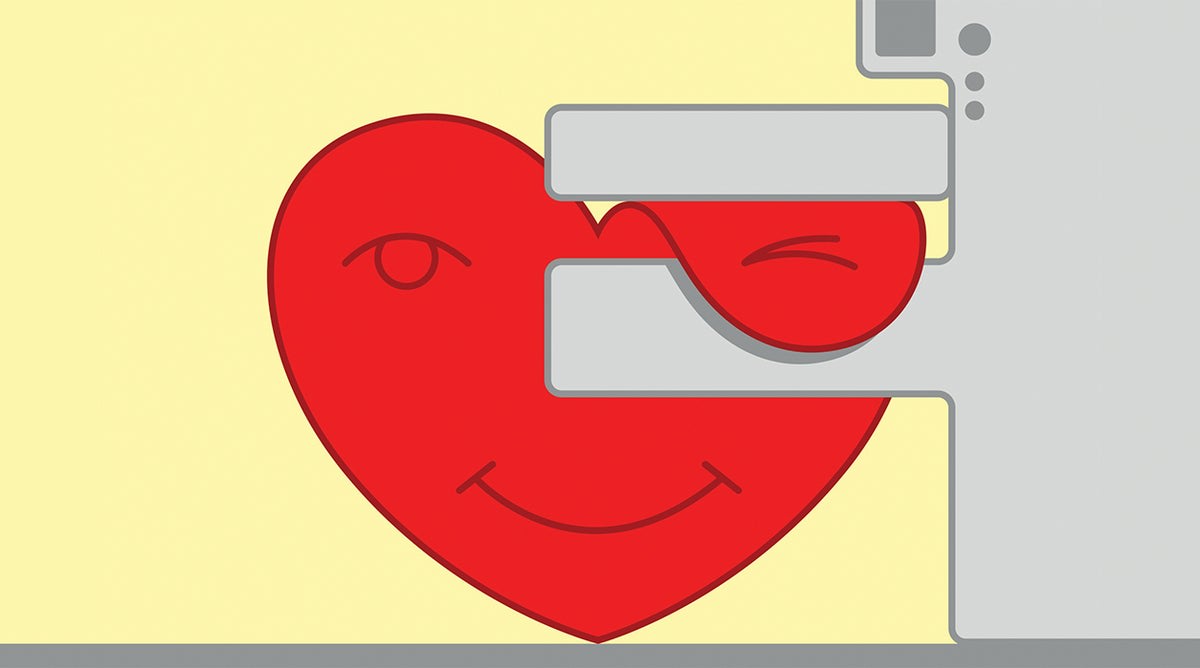
Your regular mammogram could soon tell you about heart disease risk, not just breast cancer. New AI technology spots warning signs during routine screenings without any extra tests.
More than 40 million women get mammograms every year in the U.S., and now those same scans could save lives in an entirely new way.
Researchers at Emory University and Mayo Clinic have developed artificial intelligence that reads mammograms to predict heart disease risk. The technology spots calcium buildup in breast arteries, which appears as bright "railroad track" stripes on the scans. While these calcifications don't harm breast tissue or increase cancer risk, they signal that arteries elsewhere in the body might be stiffening too, which points to potential heart problems.
The AI scans more than 123,000 mammograms from patients across multiple states. Even small amounts of calcium correlated with slightly raised cardiovascular risk. People with severe calcium buildup showed four to eight times higher rates of heart attacks and strokes compared to those with none.
Dr. Hari Trivedi, the study's co-author, emphasizes the breakthrough: "This can be run on every single mammogram without any additional work." No extra radiation. No extra appointments. Just information you're already there to collect anyway.
The timing matters especially for younger women. Mammograms start at age 40 for most people, catching potential heart problems decades before they typically appear. "If you have BAC and are under 50, you are at a higher risk of a cardiovascular event within the next 10 years," Trivedi says.
Other AI tools can spot these calcium deposits, but this model goes further by measuring the exact amount. That quantification lets doctors predict specific risk levels and recommend personalized prevention plans.
The Ripple Effect
Routine mammograms have already dramatically reduced breast cancer deaths across the country. Now the same technology could prevent heart disease, which remains the leading cause of death for women in America.
Researchers at Mount Sinai are currently studying whether people follow through on cardiovascular care when they learn about calcium buildup from their mammogram results. More importantly, they're tracking whether heart health actually improves when people get this early warning.
Dr. Laurie Margolies, a radiologist at Mount Sinai not involved in the original study, calls the discovery "a bonus finding." You show up looking for one thing and leave with crucial information about something entirely different.
The technology also lifts pressure off radiologists who might spot these patterns but lack time to evaluate and report every instance. The AI does the heavy lifting automatically.
Given that millions of people already get regular mammograms, this advancement could transform preventive care without changing anyone's routine or adding costs. Sometimes the best innovations work precisely because they fit seamlessly into what we're already doing.
More Images

Based on reporting by Scientific American
This story was written by BrightWire based on verified news reports.
Spread the positivity!
Share this good news with someone who needs it

%2Ffile%2Fattachments%2Forphans%2FImage2Lencopy_903247.jpg)