Mangrove Forests Now Growing Faster Than They're Disappearing
For the first time in decades, the world's mangrove forests are expanding instead of shrinking. Four major conservation wins this week prove that protecting wildlife actually works.
The trees that protect our coasts are finally making a comeback, and scientists say it's one of the most hopeful signs yet that conservation can reverse environmental damage.
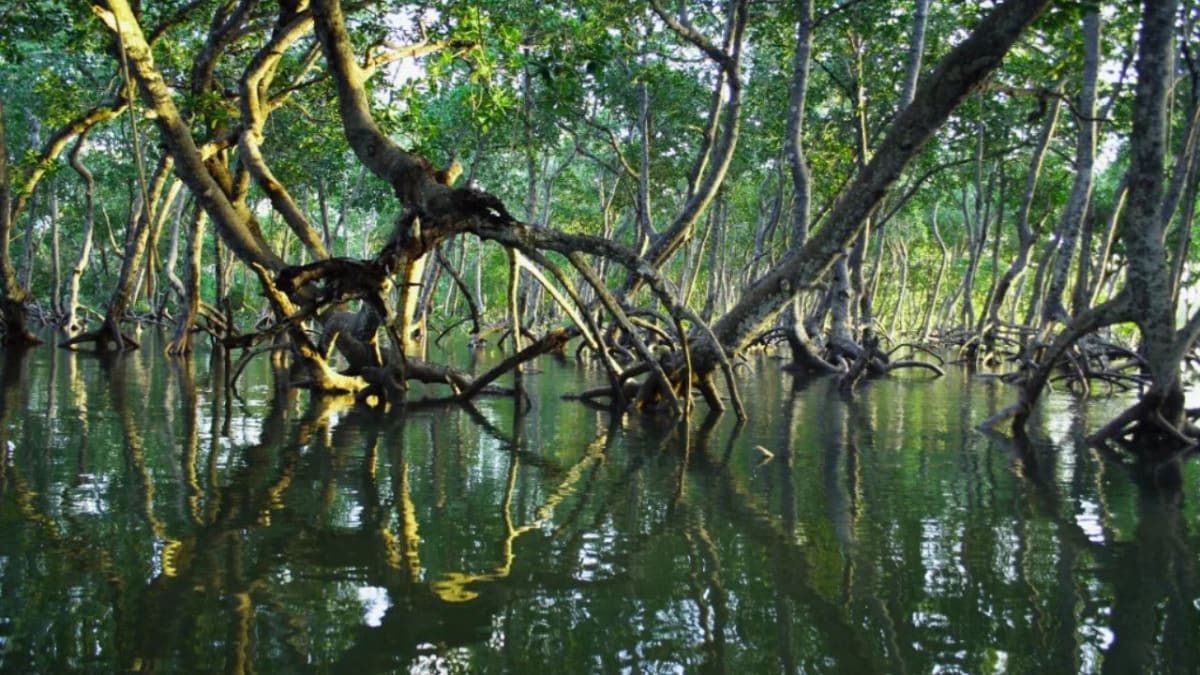
A major global study announced this week found that mangrove forest gains have outpaced losses for the past 16 years. These coastal ecosystems protect shorelines from storms, provide nurseries for fish, store massive amounts of carbon, and support countless bird species.
The turnaround comes from years of restoration projects, better management practices, and stronger conservation policies. For coastal communities facing rising seas and stronger storms, healthier mangrove forests mean greater resilience and stronger ecosystems for future generations.
The good news didn't stop with mangroves. A new marine protected area roughly the size of France just opened, creating a safe haven where sharks, whales, sea turtles, and tuna can feed, breed, and migrate without human pressure.
Scientists call large marine reserves one of the most effective tools for safeguarding ocean biodiversity. This new protected zone marks a major step toward global targets for protecting the world's seas.
Scalloped hammerhead sharks, critically endangered and instantly recognizable, received stronger international protections this week too. Groundbreaking research tracked pregnant female hammerheads between the Galápagos Islands and nursery areas in Central America, mapping their migration routes through international waters.
That evidence convinced policymakers to strengthen protections under migratory species agreements. It's a clear example of how scientific research can translate directly into conservation action.
Then there's the Kirtland's warbler, a tiny songbird that was nearly extinct 50 years ago. Only 167 singing males remained in the wild at one point.
Today, after decades of habitat management, monitoring, and community involvement, the species has made a dramatic recovery. Conservationists point to the Kirtland's warbler as one of North America's greatest conservation success stories and proof that targeted interventions can pull endangered wildlife back from the brink.
The Ripple Effect
These four wins share something crucial. They didn't happen by accident or overnight.
Each success came from years of scientific research, community involvement, and people refusing to give up on species and ecosystems in trouble. Mangrove restoration projects required mapping coastal areas and working with local communities who depend on these forests for their livelihoods.
The new marine reserve came from international cooperation between countries willing to protect shared ocean waters. Hammerhead protections required scientists tracking sharks across thousands of miles of ocean.
The warbler recovery demanded half a century of patience, habitat management, and belief that a nearly extinct bird could bounce back. When science, communities, and conservation organizations work together, the results speak for themselves.
At a time when biodiversity faces real challenges worldwide, this week offers something more valuable than optimism: evidence that recovery is possible when we commit to making it happen.
Based on reporting by Google News - Conservation Success
This story was written by BrightWire based on verified news reports.
Spread the positivity!
Share this good news with someone who needs it