Florida Plants 9,000 Milkweeds to Save Monarch Butterflies
Florida just turned highway shoulders into a 16-square-mile butterfly highway, planting thousands of milkweed plants to help struggling monarch populations. The butterflies are already showing up.
Florida's roadsides are blooming with hope for one of America's most beloved butterflies.
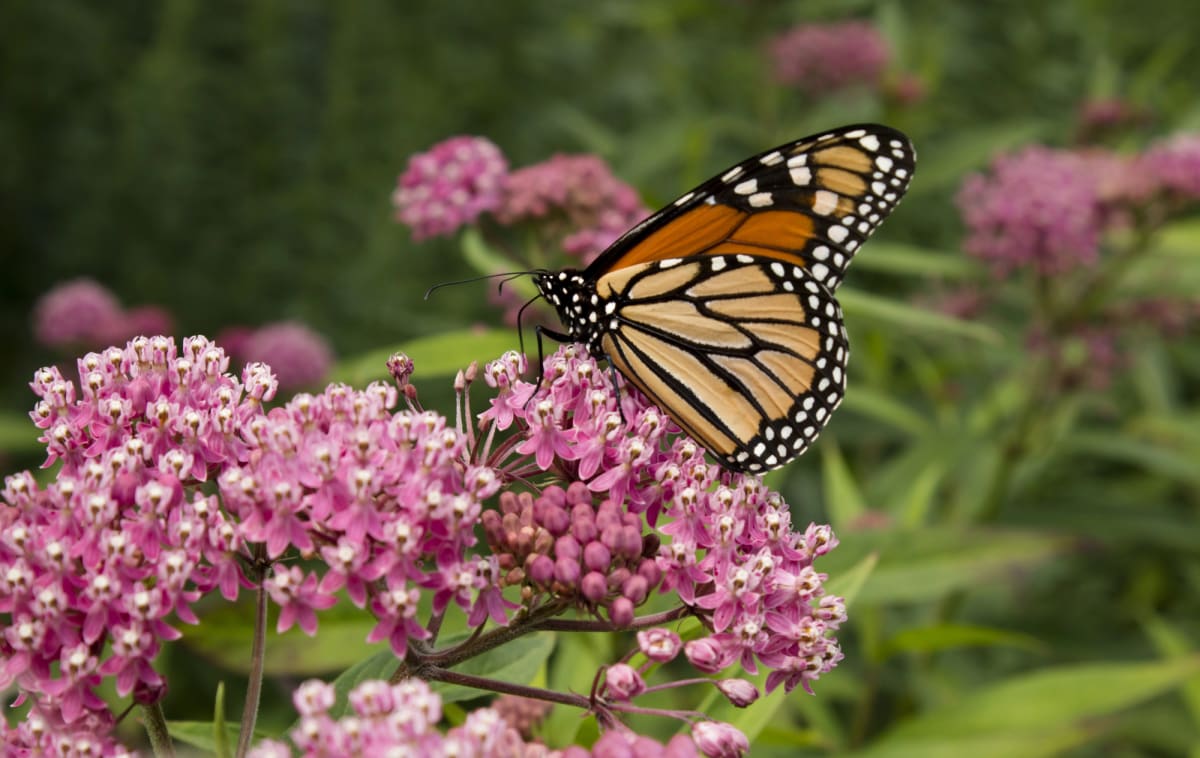
Researchers have planted 9,000 milkweed plants along highways in six North Florida counties, with 6,000 more scheduled before 2029. Monarch butterflies are already using them, turning what was once empty grass strips into a lifeline for migration.
The project addresses a critical problem. Monarch caterpillars can only eat milkweed, nothing else. When milkweed disappears, monarchs disappear with it.
Florida's Department of Transportation committed in 2024 to manage 10,200 acres of roadside land for conservation. They awarded a $150,000 grant to Jaret Daniels, curator of Lepidoptera at the Florida Museum of Natural History, to identify, grow, and plant the right species across the state.
"We've had good success with plant establishment, and we've seen monarchs using the plants already in the field," Daniels said.
The Ripple Effect
The genius is in the scale. Protected lands can't keep up with habitat loss, but managed roadsides exist everywhere and get maintained anyway.
Highway margins, power line corridors, and rail edges already get mowed on schedule. The question wasn't whether to maintain them, but how to make that work count for wildlife.
During migration, adult monarchs can cover more than 100 miles a day. Scattered garden patches help, but a continuous corridor of milkweed and wildflowers along highways gives them a refueling route that matches their journey.
The benefits spread beyond monarchs. Bees, moths, wasps, flies, and ants all feed on milkweed nectar. Some sites sit near blueberry and watermelon farms, crops that depend on wild insect pollination.
Daniels' team tested six native milkweed species before choosing two that thrive in Florida's dry, sandy roadside soils: pinewoods milkweed and butterfly weed. Because pinewoods milkweed isn't commercially available, collectors visit wild populations during flowering season, tying small bags around seed pods to catch seeds before they drift away on the wind.
The last batch of seeds showed 98 percent germination at the University of Florida Native Plant Nursery.
Sites were chosen strategically, many adjacent to existing conservation areas or near farms that benefit from pollinator activity. The planted areas are now marked as designated wildflower zones.
This Florida project is part of a national effort led by the University of Illinois Chicago to transform roadside margins into usable habitat across the country, turning everyday infrastructure into a migration highway for butterflies that have nowhere else to go.
Based on reporting by Optimist Daily
This story was written by BrightWire based on verified news reports.
Spread the positivity!
Share this good news with someone who needs it