March New Moon Brings Prime Stargazing Across the Sky
The darkest night of March arrives this week, offering skygazers a rare chance to see planets, star clusters, and cosmic wonders usually hidden by moonlight. Here's your guide to the celestial show happening right above your neighborhood.
The moon is taking a break from lighting up the night sky, and that's wonderful news for anyone who loves looking up.
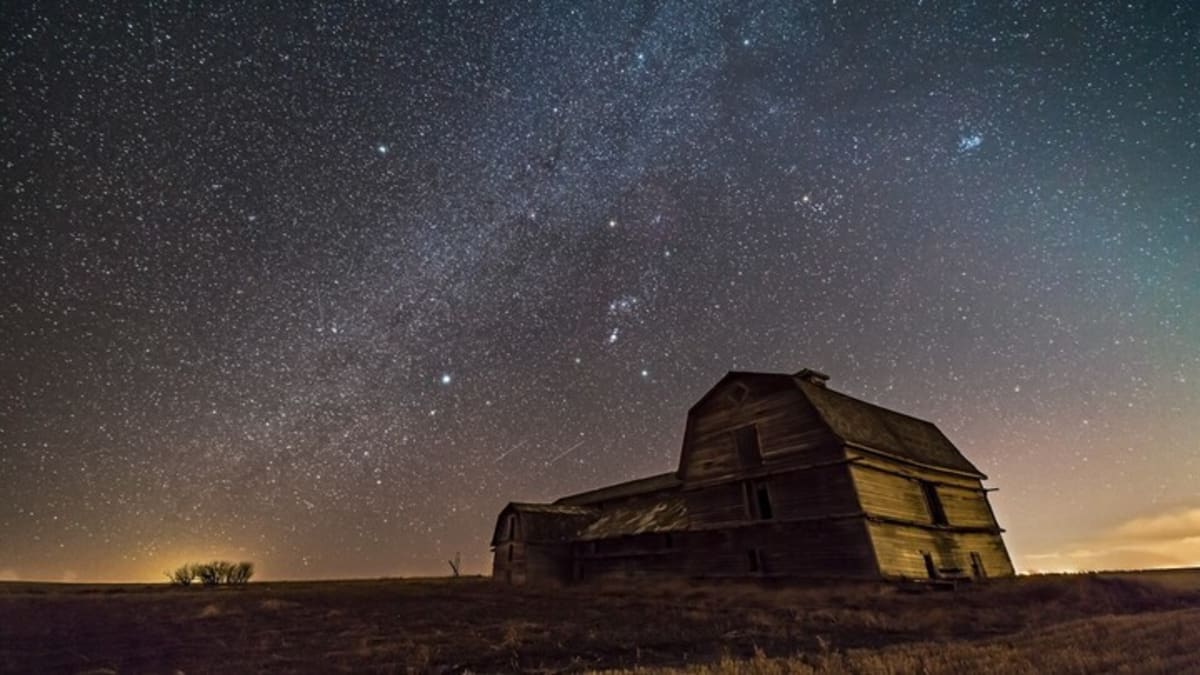
March's new moon phase peaks on March 18, creating the darkest natural skies of the month. Without moonlight washing out the stars, even backyard stargazers can spot cosmic treasures normally invisible to the naked eye.
The show starts right after sunset when Venus appears low on the western horizon. Earth's rocky twin planet shines brilliantly for about 90 minutes before dipping below the skyline, so catch it early.
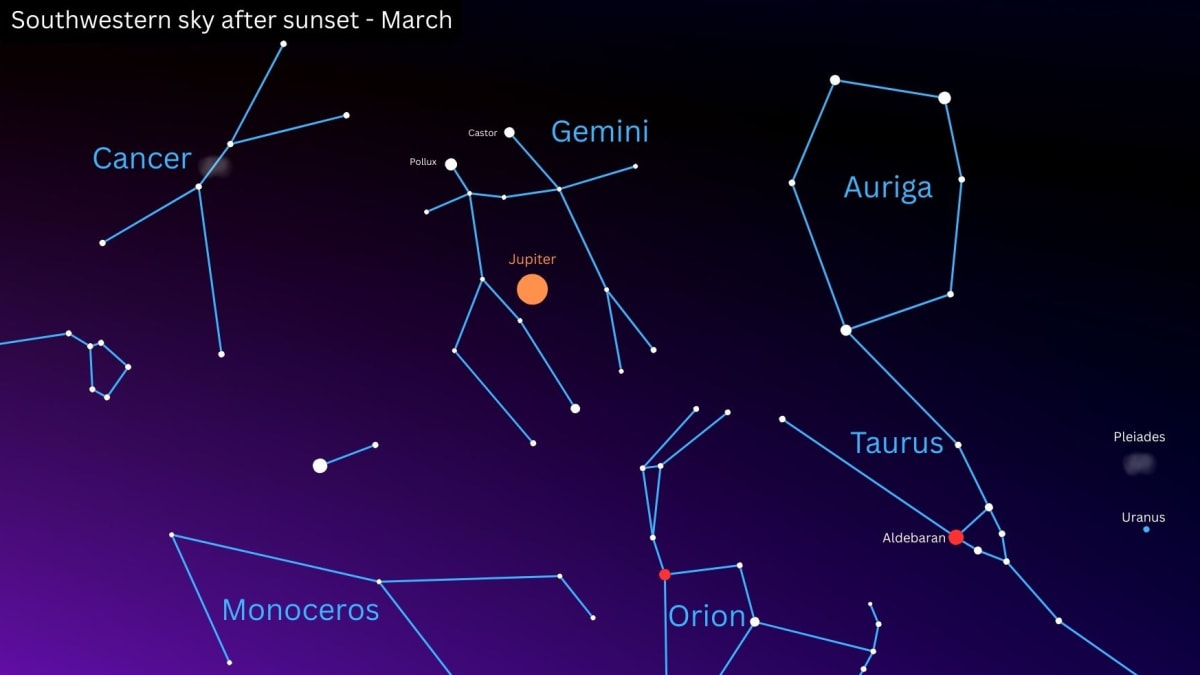
Jupiter steals the spotlight as the brightest object in the night sky once darkness falls. Look high in the southern sky near the constellation Gemini to find the giant planet gleaming like a beacon.
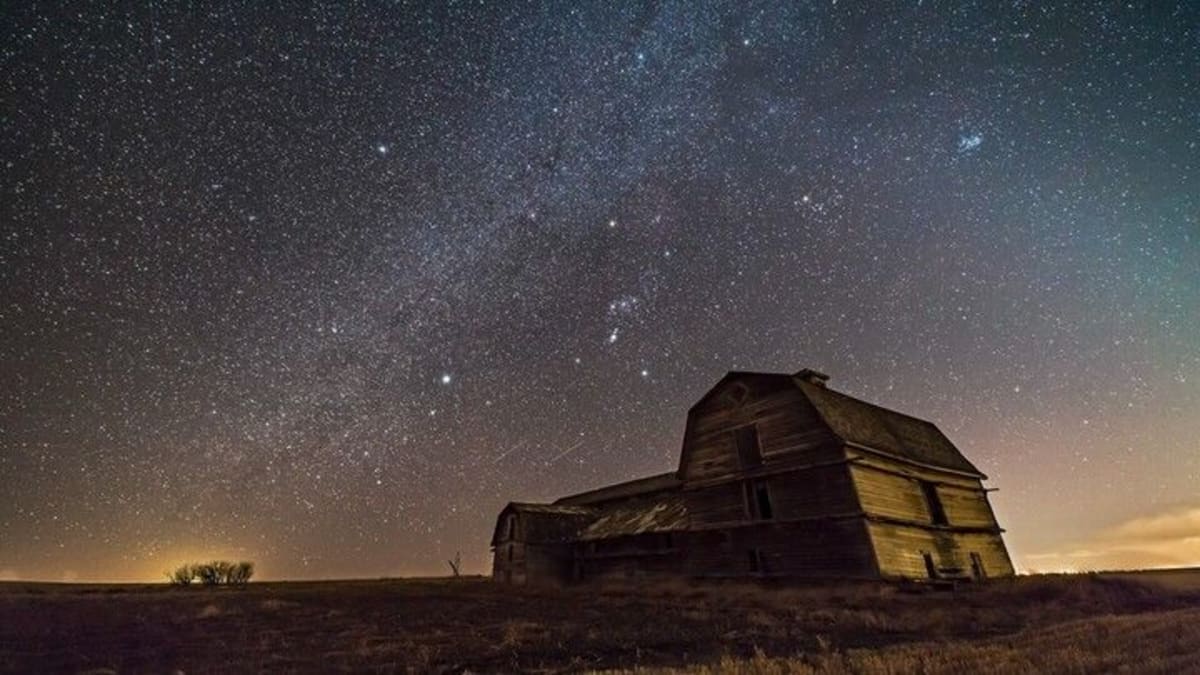
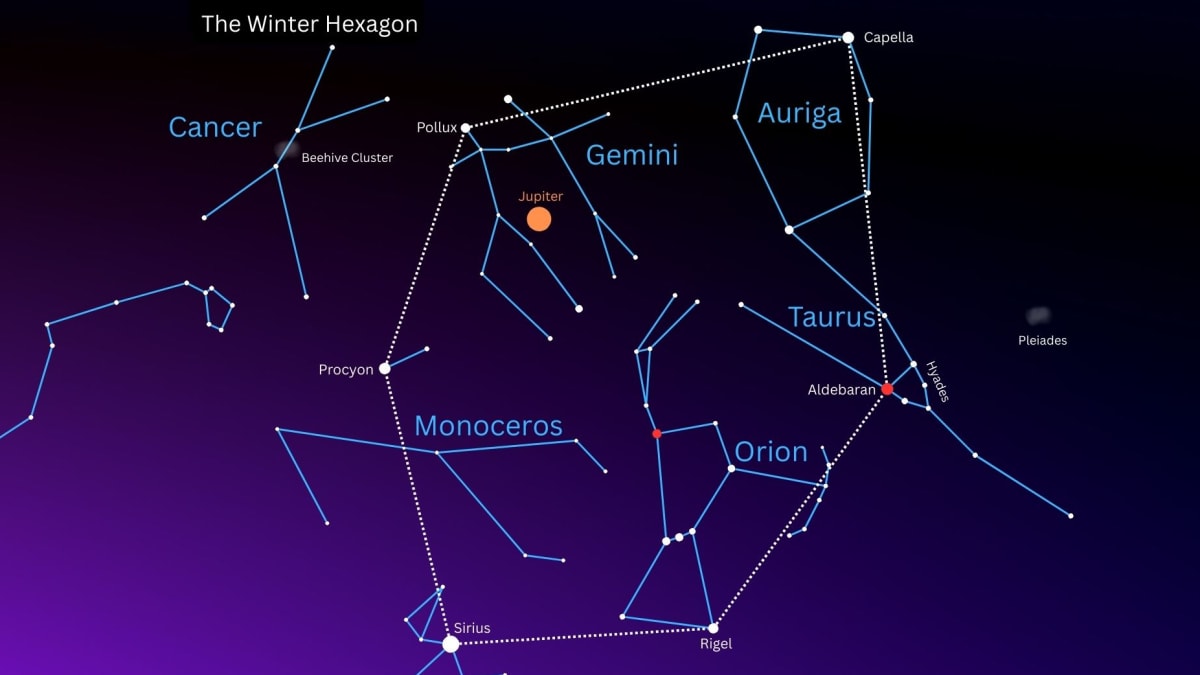
Patient observers with binoculars can explore the Winter Hexagon, a stunning pattern connecting six bright stars across the evening sky. Start with Sirius, the brightest star visible from Earth, then trace a path through the constellations that ancient civilizations used to navigate and tell stories.
The Pleiades star cluster offers a special treat during these dark moon nights. This fuzzy patch of light reveals seven bright stars through basic binoculars, earning it the nickname "Seven Sisters." A small telescope unveils dozens more members of this 1,000-star family.
Why This Inspires
These dark sky windows remind us that wonder lives right above us, accessible to anyone willing to step outside and look up. You don't need expensive equipment or expert knowledge to connect with the same cosmos that inspired humanity's greatest dreamers and explorers.
The Hyades cluster near the bright red star Aldebaran shows its ancient light through even modest equipment. These stars have traveled millions of years to reach our eyes during these perfectly dark March evenings.
City dwellers can still participate by finding local parks away from streetlights or joining community astronomy clubs hosting viewing events. The universe puts on this free show regularly, asking only that we take a moment to watch.
The crescent moon returns March 25, so these next few nights offer the clearest viewing until next month's new moon phase.
More Images
Based on reporting by Space.com
This story was written by BrightWire based on verified news reports.
Spread the positivity!
Share this good news with someone who needs it