Marine Biologist's Ocean Network Saves 100,000 Fur Seals
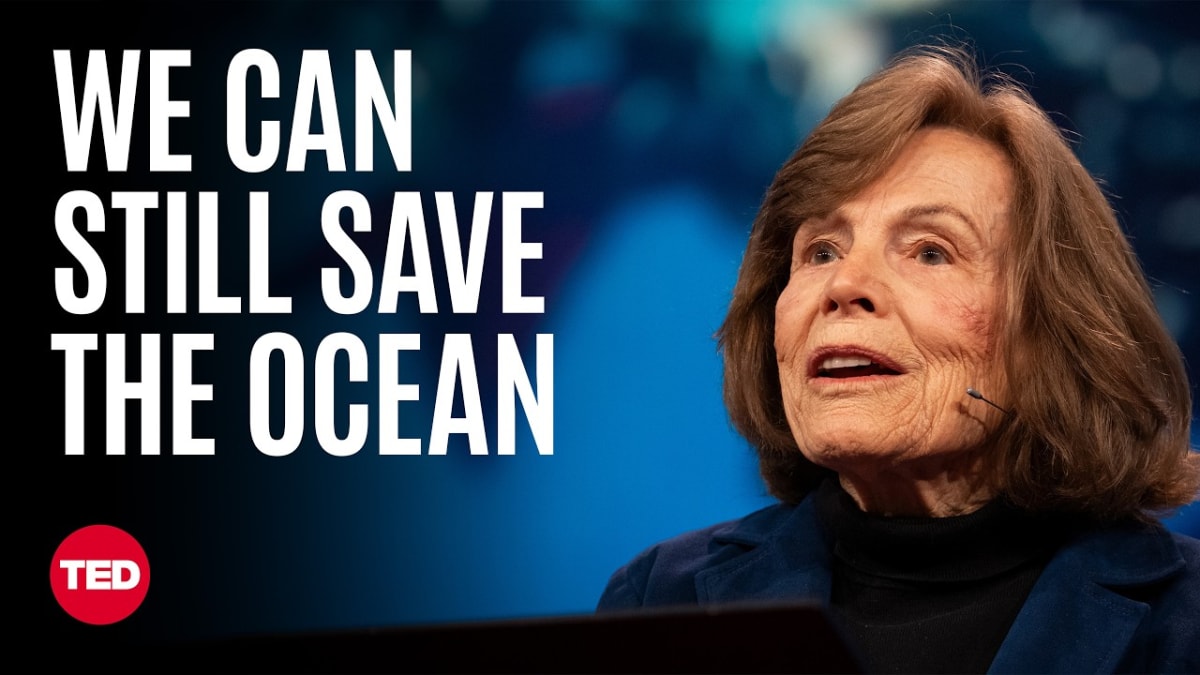
Seventeen years after marine biologist Sylvia Earle proposed a global network of ocean "Hope Spots," the initiative has helped save 100,000 fur seals from near-extinction and rebuild coral reefs around the world. Her TED 2026 talk reveals how this vision became reality and what it means for our oceans' future.
When Sylvia Earle stepped onto the TED stage in 2009, she made a bold wish: create a worldwide network of protected ocean zones before it was too late. Seventeen years later, the legendary marine biologist returned with proof that her dream is working.
The "Hope Spots" initiative has grown into a global movement protecting critical ocean ecosystems. One stunning success story: 100,000 fur seals brought back from the brink of extinction thanks to these protected zones.
But the wins don't stop there. Coral reefs devastated by climate change and human activity are being rebuilt, clam by clam, through careful conservation efforts in these protected waters. Local communities and scientists are working together to restore what was lost.
Earle's 2026 update carries a dual message. The urgency to protect our oceans has never been greater, but neither has the hope.
The marine biologist emphasized that we already know exactly what needs to be done to save our oceans. The science is clear, the methods are proven, and the success stories are real.
The Ripple Effect
The Hope Spots network demonstrates how one person's vision can spark worldwide change. What started as a TED wish has grown into a movement involving governments, conservation groups, and everyday citizens across continents.
These protected zones do more than save individual species. They create thriving ecosystems where marine life can recover and flourish, improving ocean health for everyone who depends on it.
The success of fur seal populations shows what's possible when we give nature the protection it needs. From near-extinction to 100,000 strong represents one of conservation's most remarkable comebacks.
Now the challenge isn't knowledge but willpower. Earle's message is clear: we have the tools, we have the proof, and we have the roadmap.
The only question remaining is whether we'll choose to use them before it's too late.
Based on reporting by TED
This story was written by BrightWire based on verified news reports.
Spread the positivity!
Share this good news with someone who needs it