Mars "Bathtub Ring" May Prove Ancient Ocean Existed
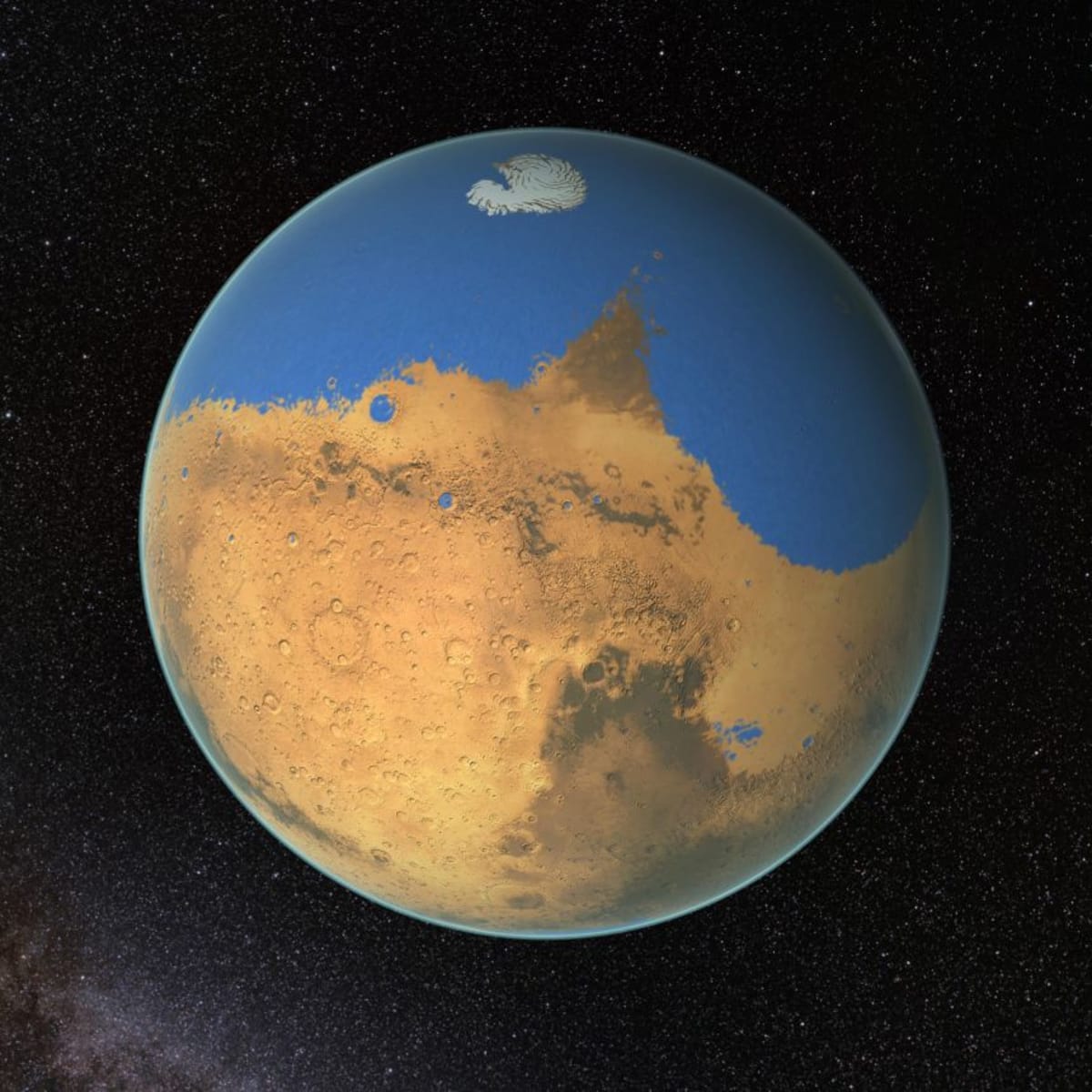
Scientists discovered a flat band of land on Mars that could be the "bathtub ring" left behind when an ocean covering one-third of the planet dried up billions of years ago. If confirmed by upcoming missions, it would solve a 50-year debate about whether Mars once looked remarkably like Earth.
Imagine draining an ocean and finding a telltale ring showing exactly where the water once reached. Scientists believe they've spotted just that on Mars.
Researchers from Caltech and the University of Texas discovered a flat band of land wrapping around Mars' northern hemisphere, similar to Earth's continental shelf. This "coastal shelf" could be the smoking gun proving an ocean once covered a third of the red planet.
The breakthrough came when geology professor Michael Lamb and researcher Abdallah Zaki ran computer simulations draining Earth's oceans to see what traces would remain. The continental shelf emerged as the most enduring feature, surviving billions of years of erosion and changing water levels.
They then searched Mars using NASA laser mapping data and found something promising. A similar formation appears on Mars, stretching 650 to 1,300 feet wide across the northern plains. While it doesn't look identical to Earth's shelves, the pieces are starting to fit together.
Scientists have debated whether Mars had an ocean since the 1970s, when Viking missions first spotted possible shorelines. But those thin bands had problems: their elevation changed unpredictably, possibly from volcanic eruptions shifting the planet's crust over billions of years.
The coastal shelf solves that problem by being much larger and easier to detect. Rivers would have carried sediments into this ancient ocean, building up deposits just like on Earth. A Chinese rover even discovered evidence of ancient beaches underground in the exact same region.
Why This Inspires
This discovery isn't just about solving an ancient mystery. Understanding when and why Mars transformed from a warm, wet world into today's cold desert could unlock secrets about planetary evolution and whether life ever took hold there.
The planet still holds water, mostly in ice caps and possibly vast underground reserves. But most of it escaped into space as Mars lost its atmosphere, with some estimates suggesting surface water existed until just 2 billion years ago.
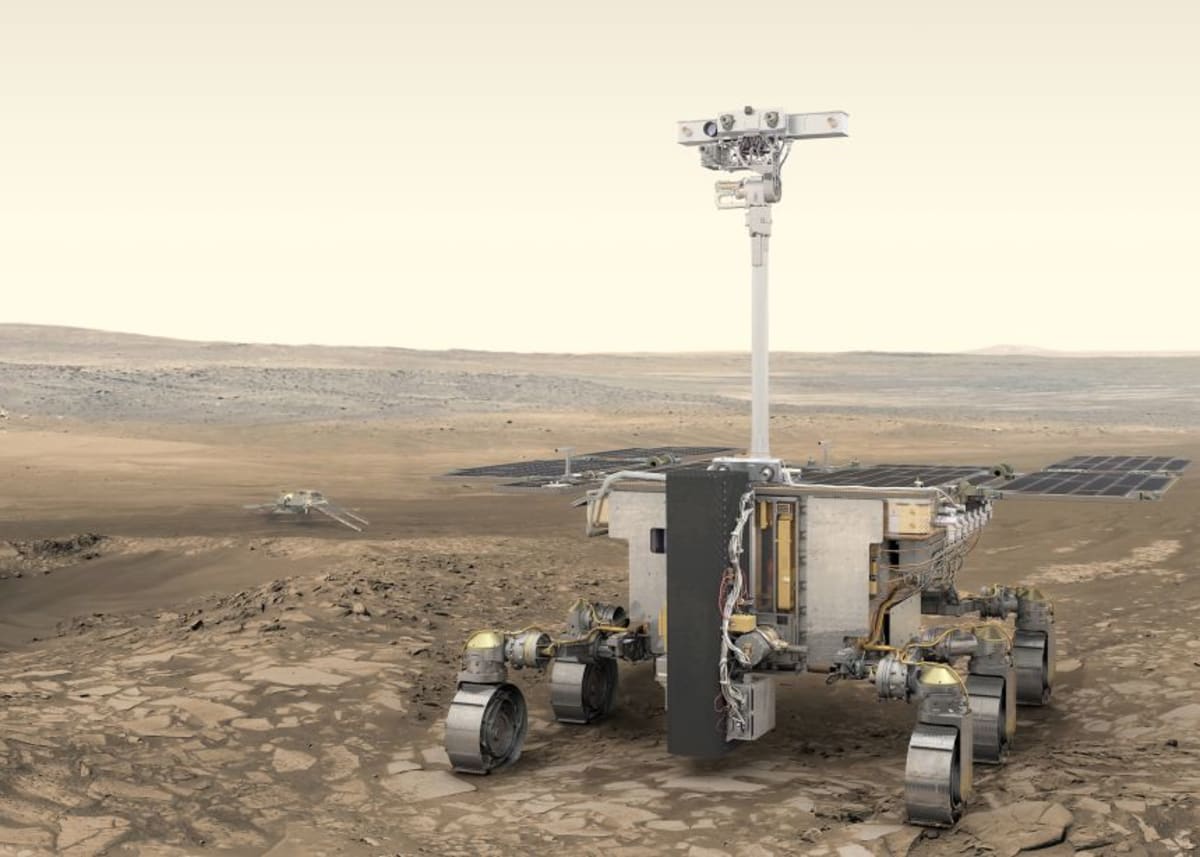
The wait for confirmation won't be long. Europe's Rosalind Franklin rover launches in 2028 and will land in Mars' northern hemisphere in 2030, equipped to probe both surface and underground. It could spot the bathtub ring and give scientists their definitive answer.
For now, the evidence keeps mounting that Mars once looked surprisingly like home. Every clue brings us closer to understanding our neighboring planet's dramatic transformation and what it means for worlds beyond our own.
More Images

Based on reporting by Google News - Science
This story was written by BrightWire based on verified news reports.
Spread the positivity!
Share this good news with someone who needs it