Mars Rock Holds 3.5 Billion Year Old Clues to Ancient Life
NASA's Curiosity rover discovered organic molecules on Mars that could be chemical building blocks for life, strengthening the case that the Red Planet once had the right chemistry to support living organisms. The 2020 find is the most diverse collection of carbon-based molecules ever found on another planet.
Scientists just confirmed that a rock sample collected on Mars in 2020 contains organic molecules that might be ancient building blocks of life.
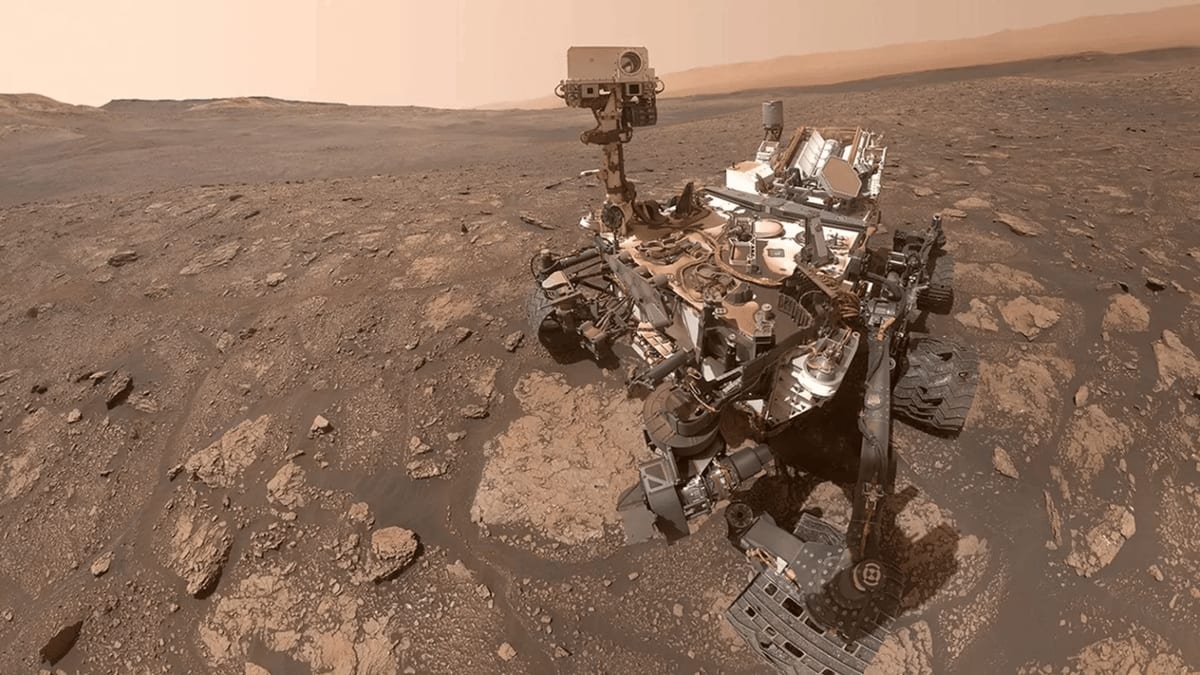
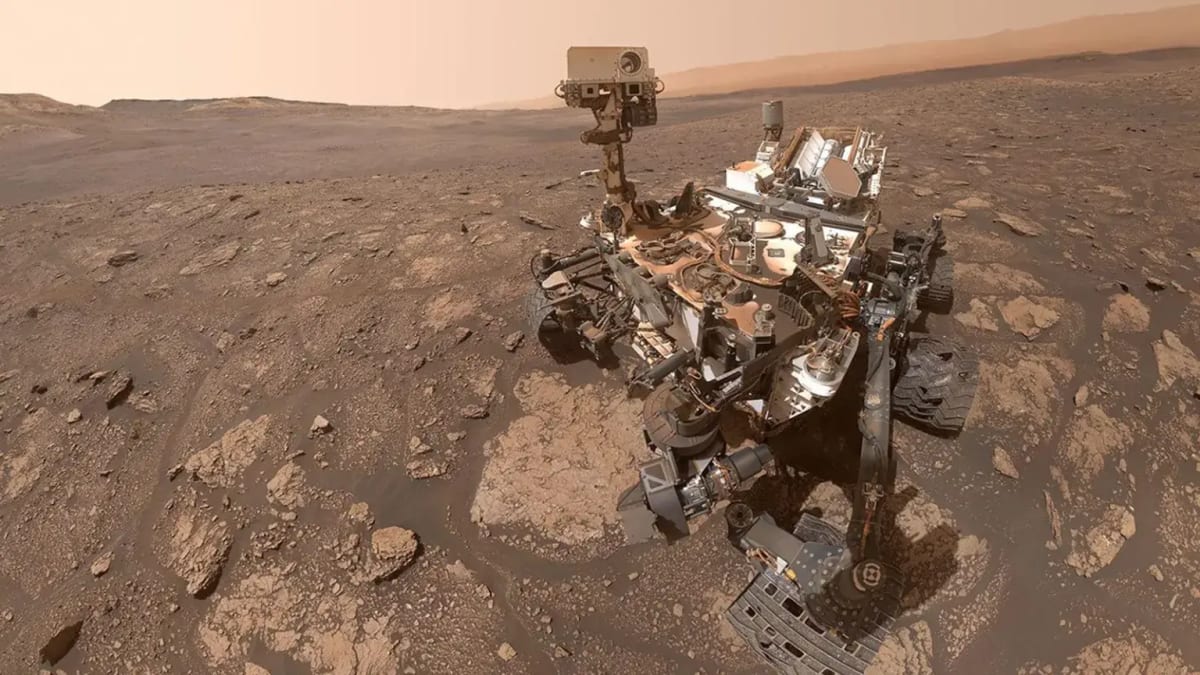
NASA's Curiosity rover drilled into a rock near Mount Sharp and uncovered 21 different carbon-containing molecules, seven of which had never been detected on Mars before. The rock sample, nicknamed "Mary Anning 3" after a famous fossil hunter, has been sitting in the rover's miniature laboratory for years while researchers carefully analyzed its contents.
The most exciting discovery is a nitrogen heterocycle, a ring-shaped molecule containing carbon and nitrogen atoms. These structures are chemical precursors to RNA and DNA, the molecules that carry genetic information in all living things on Earth.
"That detection is pretty profound because these structures can be chemical precursors to more complex nitrogen-bearing molecules," said lead researcher Amy Williams from the University of Florida. "Nitrogen heterocycles have never been found before on the Martian surface."
The organic matter has been preserved for an astonishing 3.5 billion years. While scientists can't yet prove whether biological processes or natural geology created these molecules, their presence confirms that ancient Mars had the chemical ingredients needed for life.
The team also found benzothiophene, a carbon and sulfur molecule previously spotted in meteorites. Scientists believe meteorites carrying similar organic molecules may have helped kickstart prebiotic chemistry across our early solar system, possibly on both Mars and Earth.
The Bright Side
This discovery does more than add to our knowledge of Mars. It proves that organic compounds can survive billions of years on the Red Planet's harsh surface, giving future missions clear targets to search for preserved signs of ancient life.
"This collection of organic molecules once again increases the prospect that Mars offered a home for life in the ancient past," said mission scientist Ashwin Vasavada. The findings suggest that if life ever existed on Mars, we might actually be able to find evidence of it.
The Curiosity rover continues exploring Gale Crater, analyzing rocks and soil to piece together the story of when Mars transformed from a potentially habitable world to the cold desert we see today.
Every drill sample brings us closer to answering one of humanity's biggest questions: Are we alone in the universe?
More Images



Based on reporting by Google: NASA discovery
This story was written by BrightWire based on verified news reports.
Spread the positivity!
Share this good news with someone who needs it