Mars Rover Finds Molecules That Hint at Ancient Habitable World
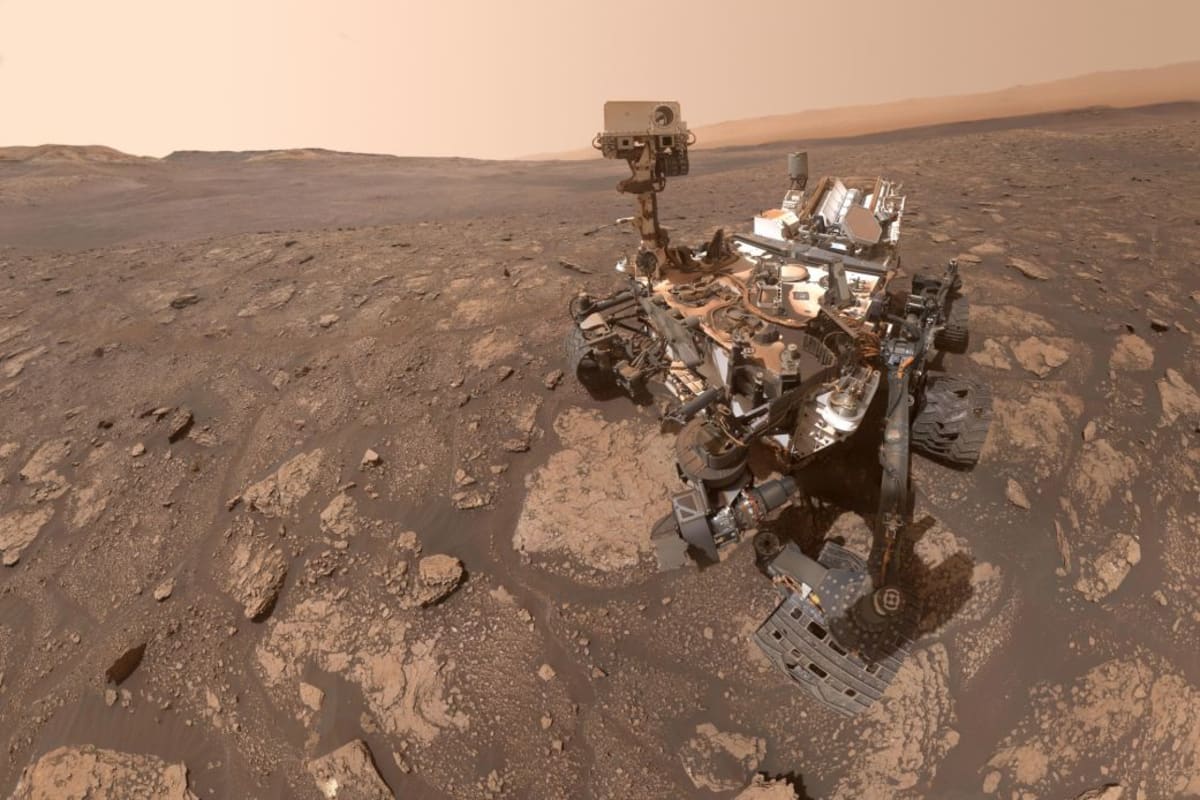
NASA's Curiosity rover discovered 21 organic molecules on Mars, including seven never seen before on the red planet. The 3.5 billion-year-old compounds suggest Mars was once incredibly hospitable to life.
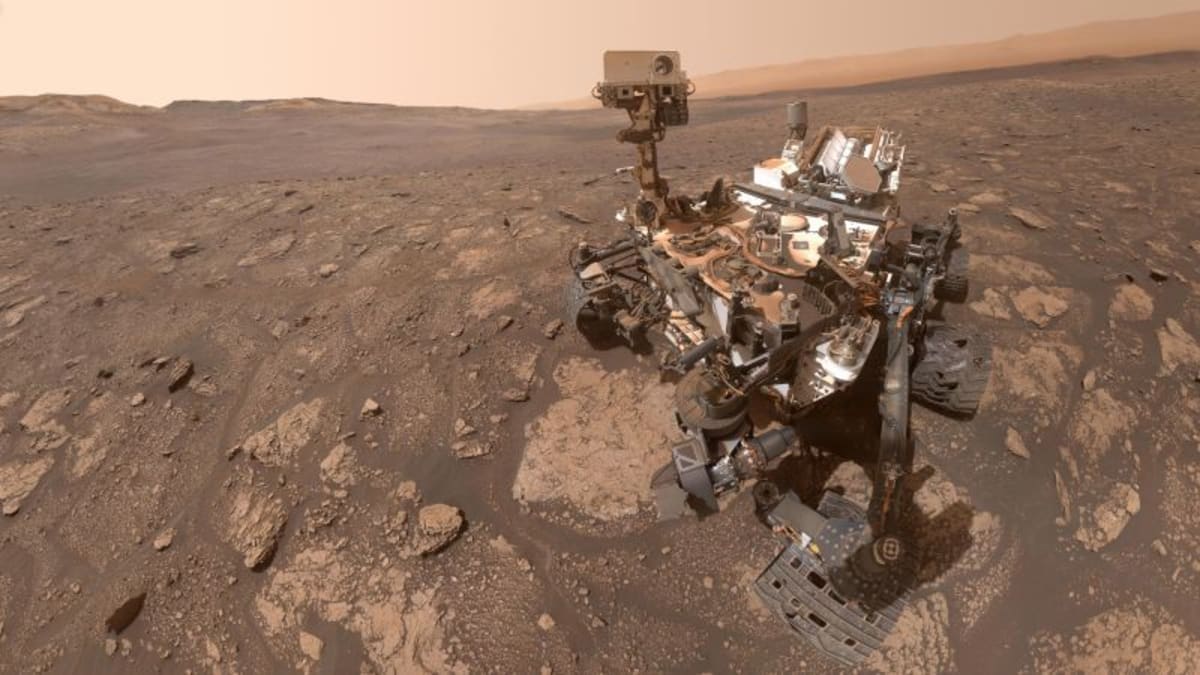
NASA's Curiosity rover just uncovered the strongest evidence yet that Mars was once a world where life could have thrived.
The rover identified 21 organic molecules trapped in Martian rock for 3.5 billion years, including seven compounds never before detected on the red planet. These carbon-based building blocks are the same type that allowed life to emerge on Earth.
The discovery came from a groundbreaking experiment where Curiosity drilled into ancient clay near Mount Sharp and dissolved the rock sample in a chemical solution. The rover only had two cups of this special solution for its entire mission, so scientists spent years choosing the perfect drilling spot.
What they found exceeded expectations. Among the molecules was a nitrogen heterocycle, a ring-shaped structure that serves as a chemical predecessor to DNA and RNA.
"These findings are important because they confirm that larger complex organic matter is preserved on Mars over geologic time periods, despite the harsh radiation environment," said lead researcher Dr. Amy Williams from the University of Florida. The molecules survived billions of years of brutal conditions that should have destroyed them.
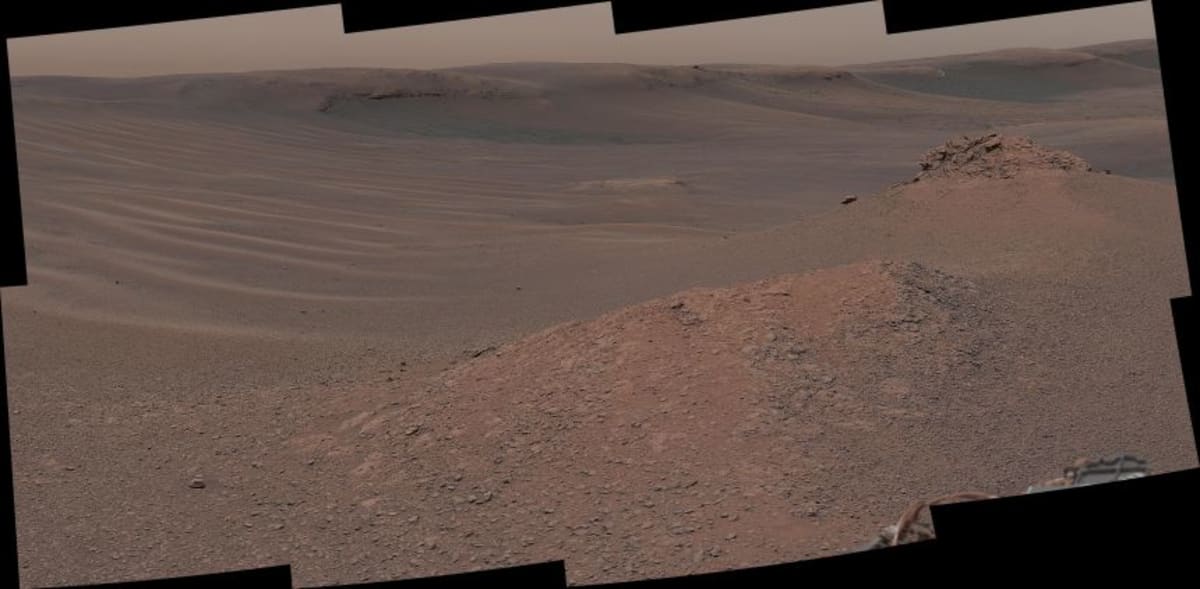
The clay-rich region where Curiosity drilled once held ancient lakes fed by flowing streams. Water appeared and disappeared at this site multiple times over millions of years, creating ideal conditions for preserving organic compounds.
Scientists emphasized these molecules could have three possible origins: ancient life, meteorite impacts, or natural geological processes. The experiment wasn't designed to distinguish between these possibilities.
Why This Inspires
This discovery transforms our understanding of the red planet's past. "The revelation of the mission to me has been not just that Mars was habitable," said NASA scientist Ashwin Vasavada. "It's just how amazingly habitable it was."
The findings strengthen the case for bringing Martian rock samples back to Earth, where advanced laboratories could finally answer whether life ever existed on our neighboring world. That's the only way scientists can definitively solve the mystery.
For now, we know Mars once had everything life needs: water, organic molecules, and stable environments lasting millions of years. The frozen desert we see today was once a world of lakes and streams, preserving the chemical ingredients of life in its ancient rocks.
The search for answers continues, but each discovery brings us closer to understanding our place in the universe.
More Images


Based on reporting by Google News - Science
This story was written by BrightWire based on verified news reports.
Spread the positivity!
Share this good news with someone who needs it