Mars Rovers Find Rubies and Opals Hidden in Red Planet
NASA's Mars rovers discovered minerals that form Earth's precious gems scattered across the Red Planet's surface. Scientists say these tiny crystals could unlock secrets about Mars's ancient past and whether it ever hosted life.
The surface of Mars holds a glittering secret that could rewrite what we know about the Red Planet's history.
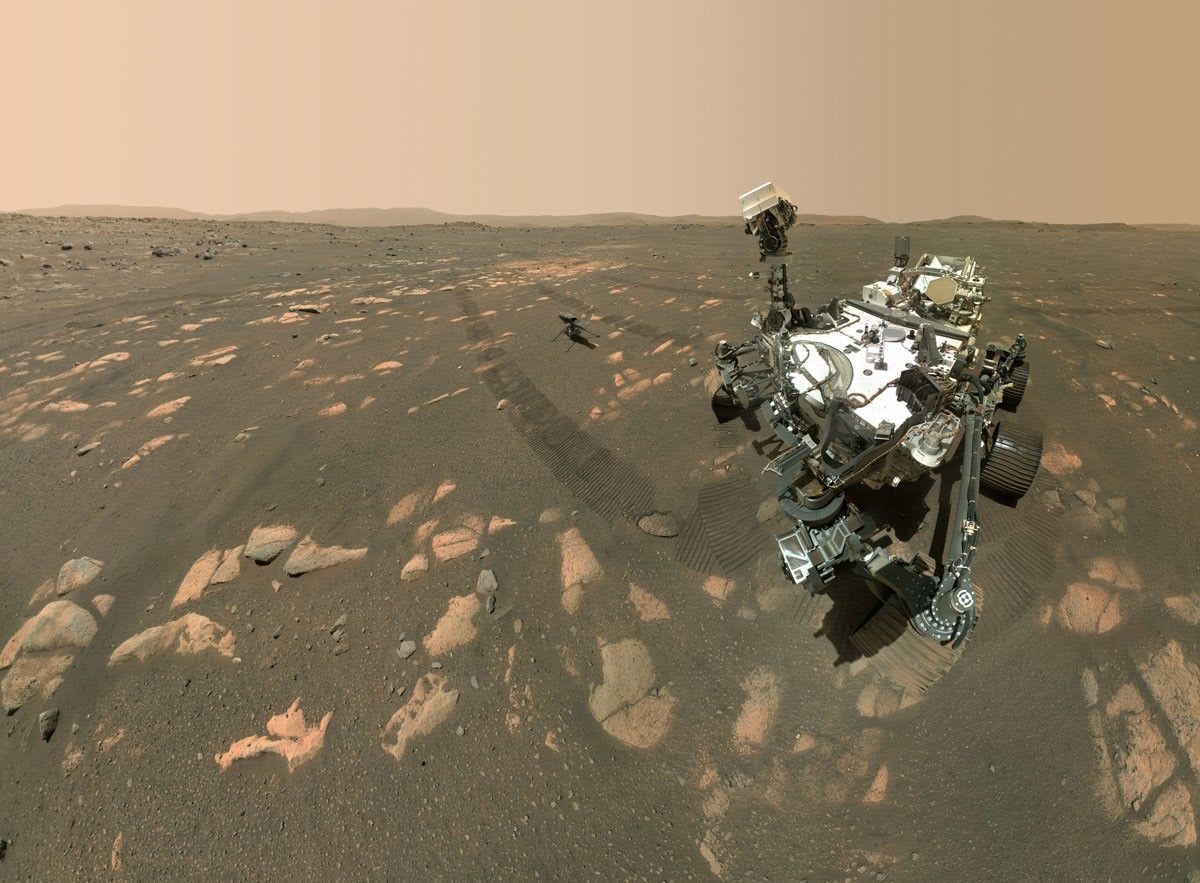
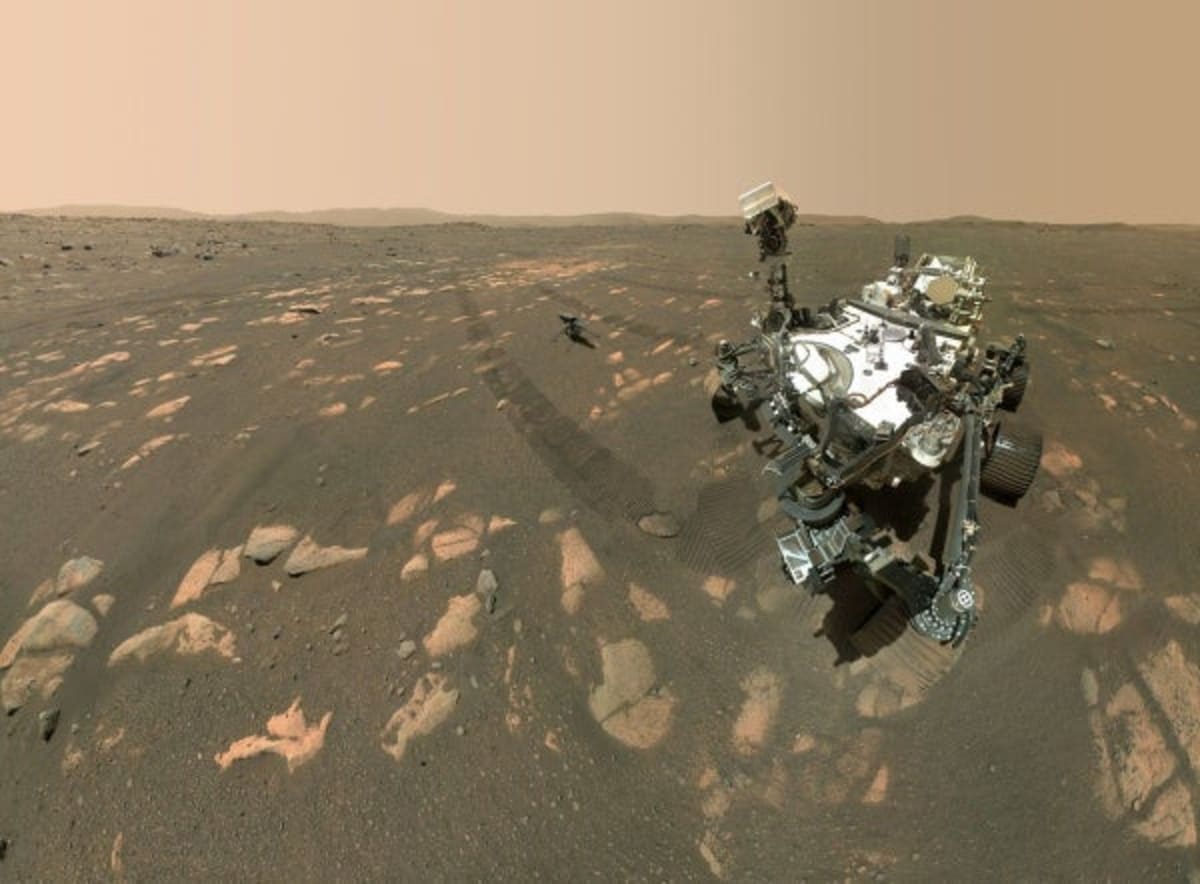
NASA's Perseverance rover and orbiting satellites have detected minerals on Mars that form rubies, sapphires, and opals here on Earth. The discoveries came from analyzing light signatures of rocks inside Jezero Crater, where the rover found high amounts of corundum, the mineral family that creates rubies and sapphires.
Before you imagine shimmering red gems waiting to be mined, there's an important catch. These Martian minerals look nothing like the jewels in a jewelry store, and they're incredibly tiny, measuring less than a millimeter.
Candice Bedford, a research scientist at Purdue University, explains that on Earth, rubies form slowly through intense heat and pressure from plate tectonics. On Mars, the corundum likely formed in seconds during violent asteroid impacts, when aluminum in space rocks rapidly fused with Martian minerals.
The process is similar to tiny diamonds found in Siberia's Popigai impact crater, which lack the sparkle of natural diamonds and are too small for jewelry. The corundum minerals on Mars sit inside pebble-sized stones, making any future mining operation economically pointless.
Scientists also found traces of hydrated silica crystals, better known as opal, scattered across the planet. Vivian Sun, a planetary scientist at NASA's Jet Propulsion Laboratory, confirms these are definitely not gemstone-quality rocks despite common misconceptions.
The Bright Side
While Mars won't become a cosmic jewelry store, these humble minerals hold extraordinary scientific value. Opal crystals are perfectly structured to preserve biosignatures from tiny life forms like bacteria, offering a potential window into whether Mars ever supported life.
The ancient rocks on Mars are also much older than what we can easily access on Earth, thanks to the planet's simpler tectonic system. Studying their mineral makeup could answer fundamental questions about how our solar system's rocky planets formed and what early Earth looked like billions of years ago.
Getting those answers requires bringing samples back to Earth for examination under electron microscopes. The Trump administration shelved those plans in November 2023, despite years of preparation and millions already invested.
Sun calls the decision a tragedy, noting that Mars's geology offers a unique time capsule into our solar system's earliest days. These tiny, unimpressive minerals might not sparkle, but they shine a light on mysteries that Earth's own geological activity has long since erased.
Sometimes the most valuable treasures aren't the ones that glitter.
More Images

Based on reporting by Scientific American
This story was written by BrightWire based on verified news reports.
Spread the positivity!
Share this good news with someone who needs it