Massachusetts EV Owners Can Now Get Paid for Battery Power
Electric vehicle owners in Massachusetts can soon earn up to $2,750 per summer by sending stored battery power back to the grid during peak demand. Two major utilities are launching a program that turns parked EVs into mini power plants that help everyone.
Imagine getting paid hundreds of dollars just for letting your parked car help power your neighbor's air conditioner on a hot summer day.
That's the new reality for some Massachusetts electric vehicle owners. Utilities Eversource and National Grid just announced they're adding residential vehicle-to-grid charging to their existing ConnectedSolutions program, which already uses smart thermostats and home batteries to ease grid pressure during peak demand.
Here's how it works. When electricity demand spikes on scorching summer afternoons, enrolled EVs can automatically send some of their stored energy back to the grid. Owners earn performance-based incentives that could reach $1,375 to $2,750 per summer season, depending on their vehicle's battery capacity and how much they participate.
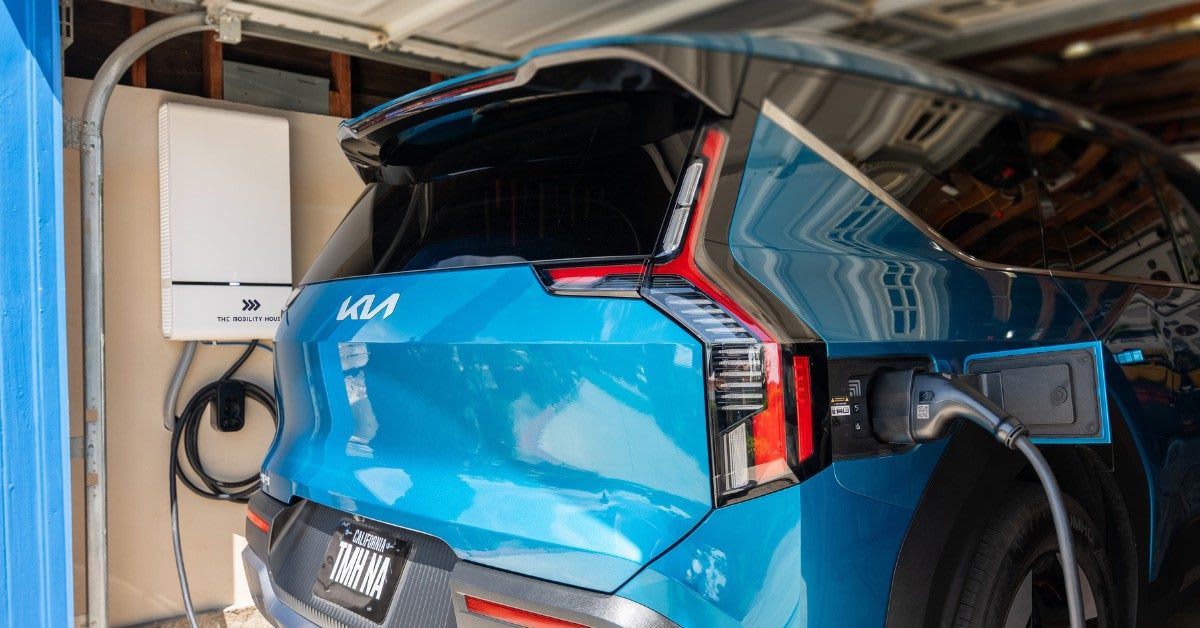
The initial list of eligible vehicles includes the Ford F-150 Lightning, Nissan LEAF, Kia EV9, Polestar 3, and Volvo EX90. Three companies are providing the smart-charging technology: EnergyHub, Sunrun, and The Mobility House.
Massachusetts has serious battery power sitting idle in driveways. More than 150,000 EVs already cruise the state's roads, and the number of models with bidirectional charging capability keeps growing.
The utilities haven't announced when enrollment opens yet, but they're clearly optimistic about the potential. National Grid already runs a similar program with electric school buses and light-duty fleet vehicles.
The Ripple Effect
This program does more than pad EV owners' wallets. When thousands of parked cars become mini power plants, the entire grid gets more stable and resilient.
During those critical peak-demand hours, utilities typically fire up expensive backup power plants or buy electricity at premium prices. That cost gets passed to everyone through higher electric bills. By tapping into EV batteries instead, utilities can potentially lower costs for all customers, not just program participants.
The approach also reduces strain on aging grid infrastructure and could help Massachusetts avoid blackouts during extreme weather events. As Chip Silverman from Sunrun points out, vehicle batteries provide backup power to homes while stabilizing the entire system.
The real test will be whether enough EV owners sign up. Utilities need to make enrollment simple and offer enough money to convince drivers to share their battery power when it matters most.
With thousands of Massachusetts residents already participating in ConnectedSolutions programs with their thermostats and home batteries, the foundation is there. Now EVs get their turn to be part of the solution.
More Images



Based on reporting by Electrek
This story was written by BrightWire based on verified news reports.
Spread the positivity!
Share this good news with someone who needs it