Massachusetts Zoo Becomes Wildlife Rehab Center
A beloved 100-year-old zoo is transforming into a nature reserve and wildlife rehabilitation center instead of closing its doors. The innovative plan keeps the park free and open while saving taxpayers $57 million in repairs.
Instead of shutting down a century-old zoo, Attleboro, Massachusetts found a way to keep it alive while giving it a new mission: saving injured wildlife.
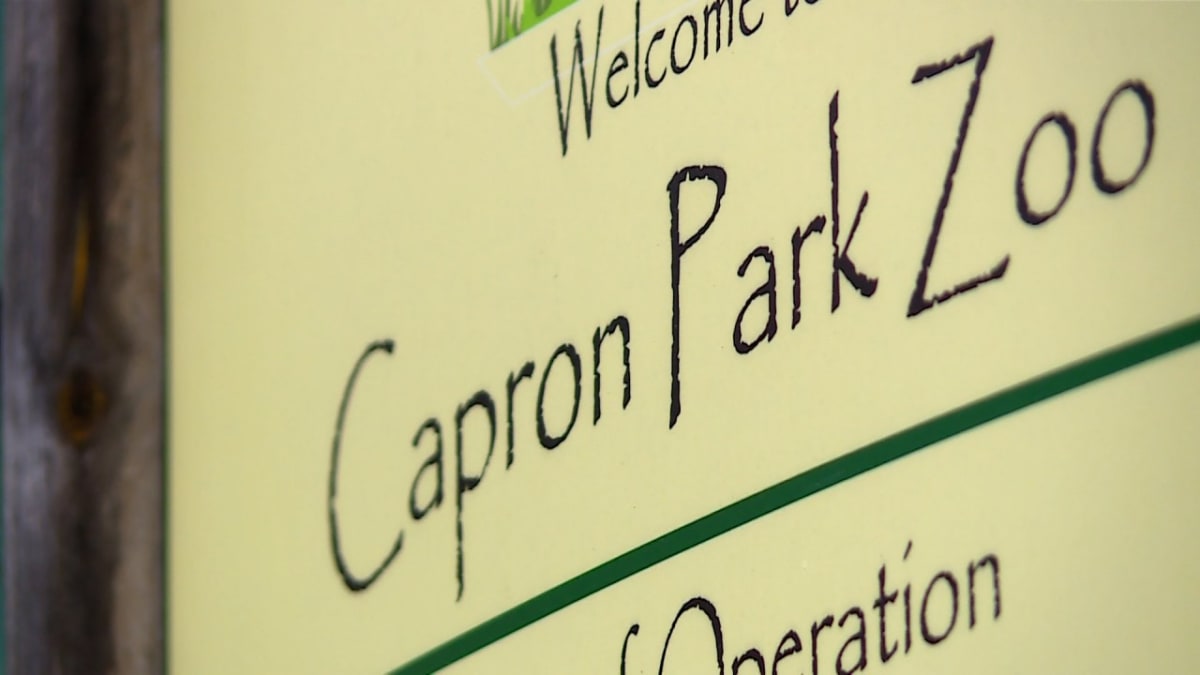
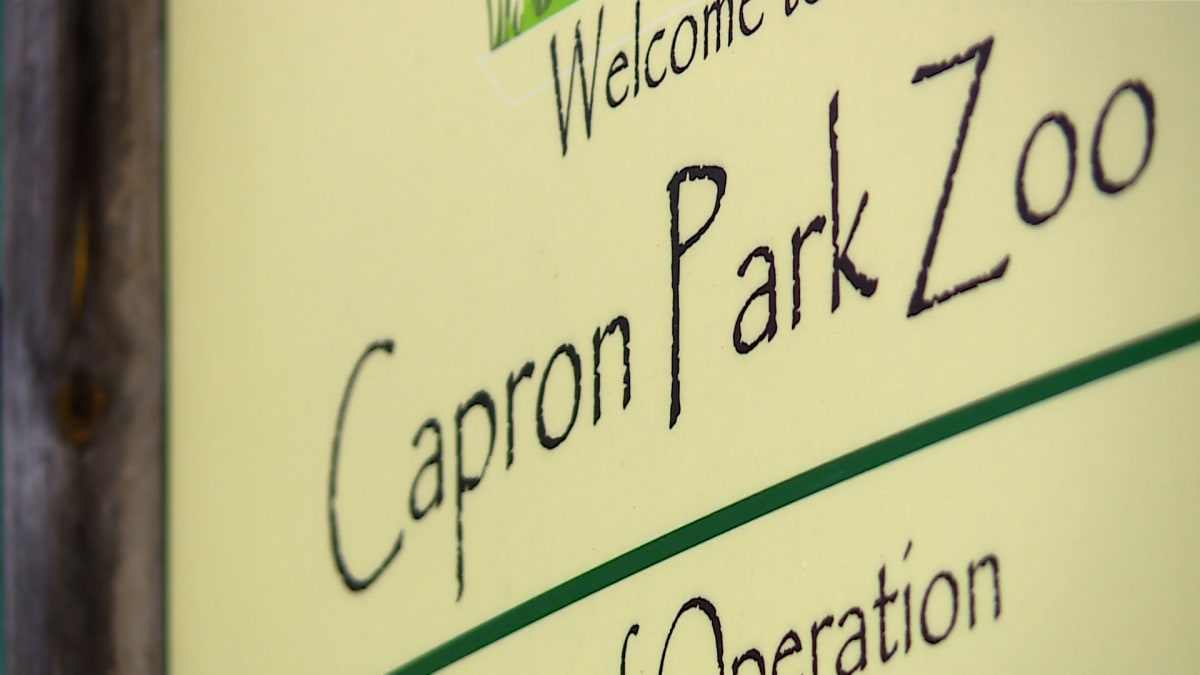
Mayor Cathleen DeSimone announced Tuesday that Capron Park Zoo will transform into a nature reserve and wildlife rehabilitation center. The park has been a free family destination for generations, and it will stay that way.
The change comes as the city faced an impossible choice. Keeping the zoo running in its current form would require $57 million in capital improvements, money that would pull resources away from schools, roads, and other community needs.
Rather than close the gates, city leaders chose evolution over extinction. The zoo will operate normally through September 7, then remain open on select fall weekends as the transition begins.
The new wildlife rehabilitation program will focus on healing injured or sick native animals and returning them to the wild. It's a shift from viewing animals in captivity to helping them survive in their natural habitats.
Current zoo residents will be relocated to accredited facilities through partnerships with the Association of Zoos & Aquariums. Animals too old or fragile to travel will live out their lives onsite with experienced staff care, though they won't be on public display.
The nature reserve model dramatically cuts operating costs while actually expanding what families can do at the park. New outdoor recreation amenities will join the wildlife rehabilitation program and environmental education opportunities.
The Bright Side
This transformation shows how communities can adapt beloved institutions to meet modern needs without losing their heart. Families will still visit Capron Park to connect with nature and watch their children explore outdoors.
The wildlife rehabilitation center gives the park a new purpose that aligns with contemporary conservation values. Instead of animals living permanently in exhibits, the facility will temporarily house local wildlife on their journey back to freedom.
Mayor DeSimone called it one of her hardest decisions but believes it secures the park's future. The city plans to establish a transition team this summer to guide the careful change.
Capron Park isn't ending; it's beginning a new chapter where healing wildlife and preserving nature take center stage while keeping the gates open for every family.
More Images


Based on reporting by Google News - Wildlife Recovery
This story was written by BrightWire based on verified news reports.
Spread the positivity!
Share this good news with someone who needs it