Math Reveals Why Human Art Moves Us, AI Art Falls Flat
Scientists discovered a hidden mathematical pattern that master artists unconsciously follow, creating emotional impact AI can't replicate. The breakthrough could explain why computer-generated art leaves viewers cold.
Researchers just cracked the code on why great abstract art moves us to tears while AI-generated paintings leave us shrugging.
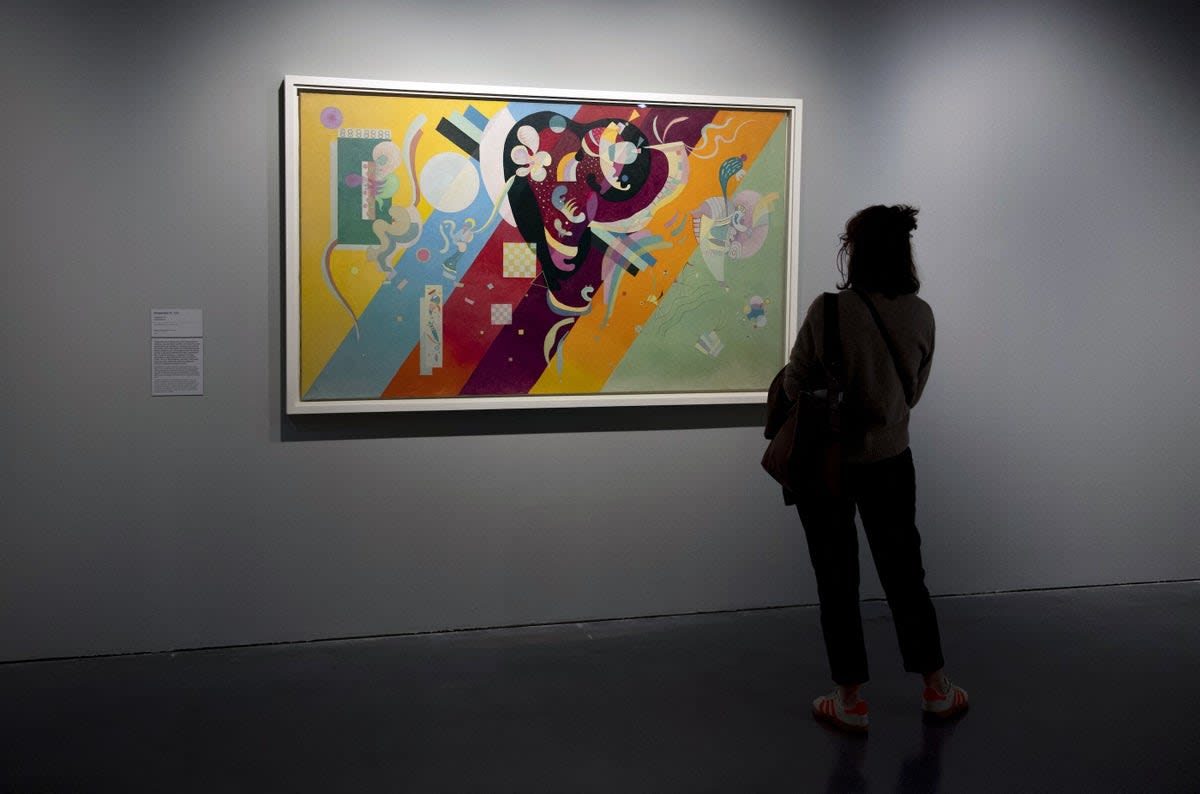
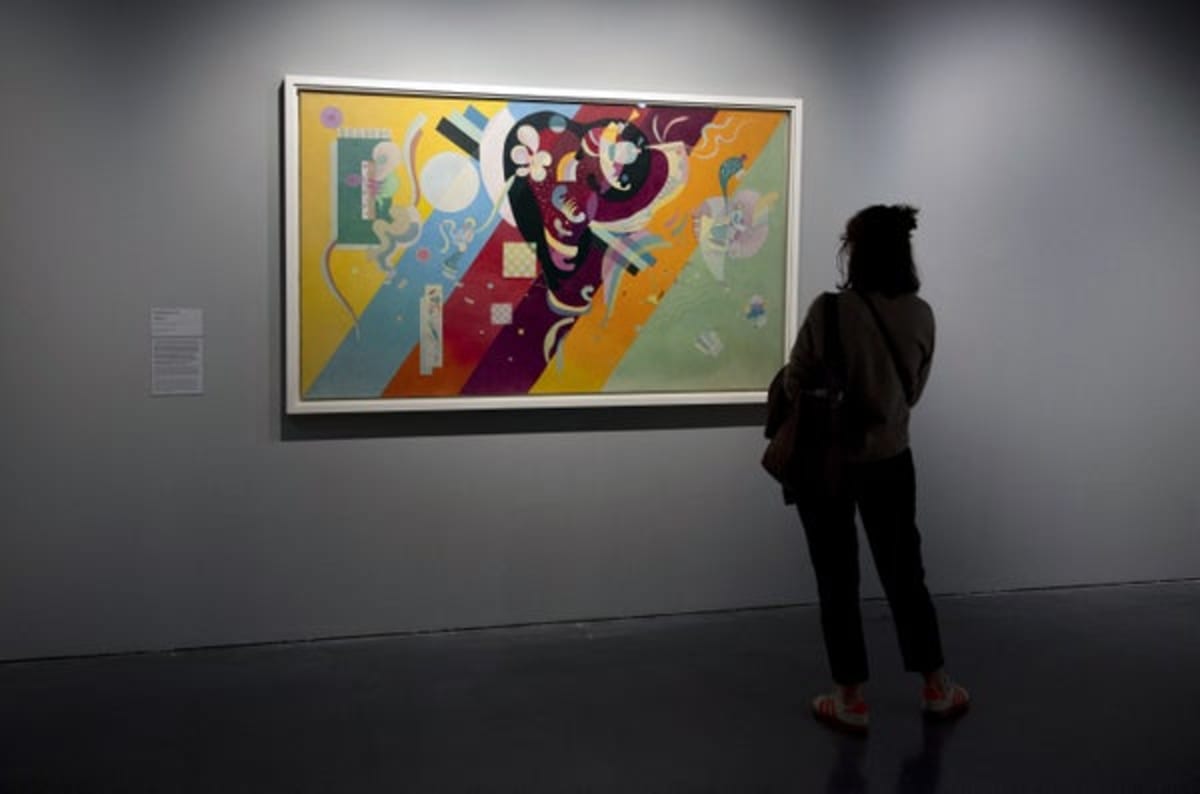
A team of mathematicians and neuroscientists discovered that famous abstract artists, from Wassily Kandinsky to Jackson Pollock, all follow the same unconscious mathematical pattern when arranging shapes on canvas. AI programs completely miss this hidden rule, possibly explaining why their art feels soulless.
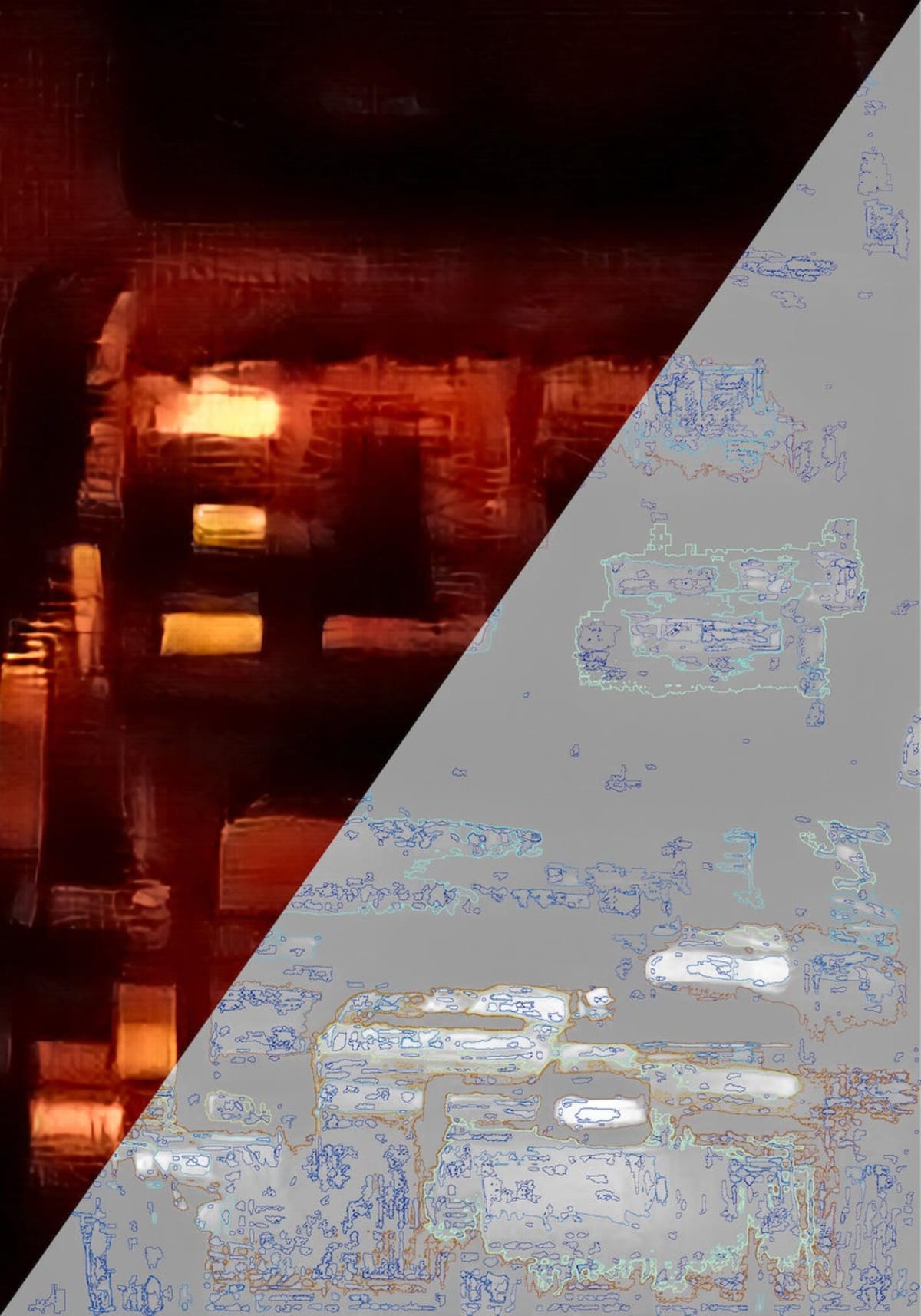
The researchers used a branch of mathematics called persistent homology to analyze paintings layer by layer, tracking how colors and shapes interact. Think of it like peeling an onion: each layer reveals different contours and forms that create the final image.
When they studied works by six renowned abstract artists, including Mark Rothko and Kazimir Malevich, they found something remarkable. Every human artist violated a mathematical symmetry called Alexander duality by the exact same ratio: 0.4.
"It reminds us of other famous ratios in art, like the golden ratio," says Shabnam Kadir, a mathematician at the University of Hertfordshire who co-led the study. The golden ratio has made everything from seashells to Renaissance paintings visually pleasing for millennia.
The team tested their discovery by showing people both human-created and AI-generated abstract art. The AI paintings matched the color intensity of real artworks but ignored the 0.4 ratio. Viewers consistently preferred the human-created pieces, whether they saw them on screens, in labs, or in galleries.
Why This Inspires
This discovery proves that human creativity follows patterns we don't even know exist. Artists aren't consciously calculating ratios or measuring symmetries. They're simply creating what feels right, and somehow that instinct leads them all to the same mathematical sweet spot.
The research also shows that art isn't arbitrary nonsense, as skeptics sometimes claim. There's actual structure beneath the seeming chaos of abstract painting. Human artists tap into something deeper than algorithms can reach.
Barbara Guinti, a mathematician not involved in the study, says the method "is a way to talk more formally about art but without removing the soul of it." That balance between precision and emotion is exactly what makes this discovery special.
The findings could help improve AI art programs by teaching them rules that human artists follow instinctively. But more importantly, they validate what we've always felt: human creativity contains magic that numbers alone can't fully capture.
This research reminds us that even in an age of artificial intelligence, the human touch remains irreplaceable.
More Images
Based on reporting by Scientific American
This story was written by BrightWire based on verified news reports.
Spread the positivity!
Share this good news with someone who needs it