Mathematicians Solve 15-Year Dice Puzzle With 60-Sided Shapes
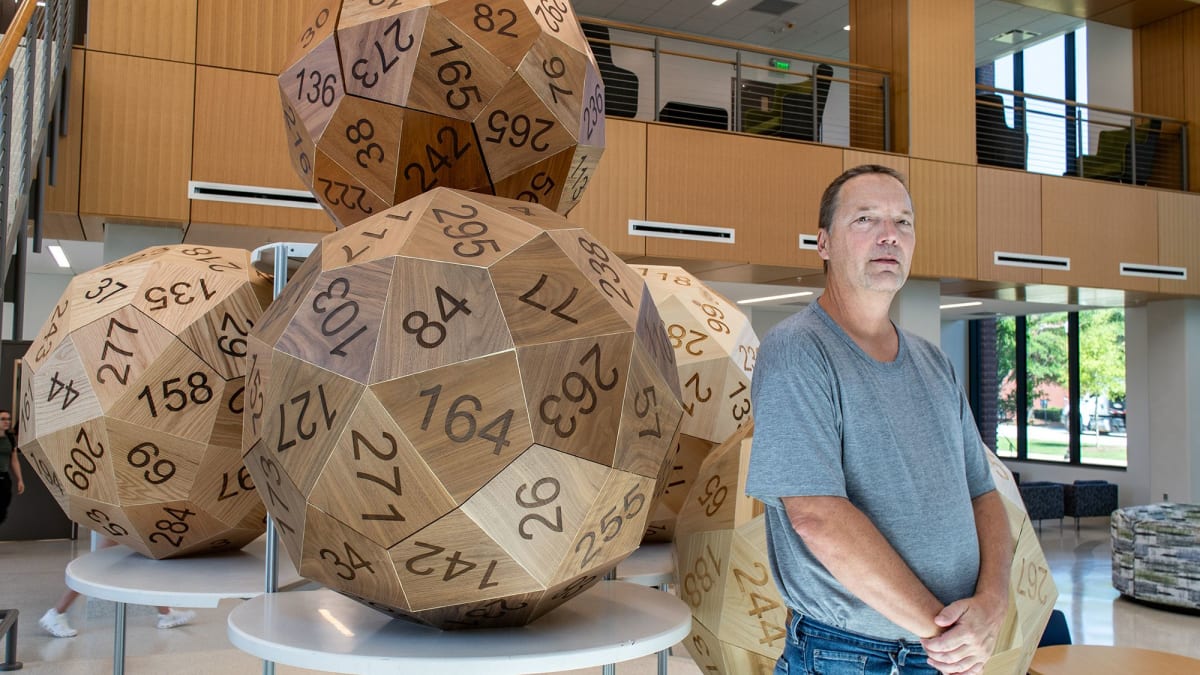
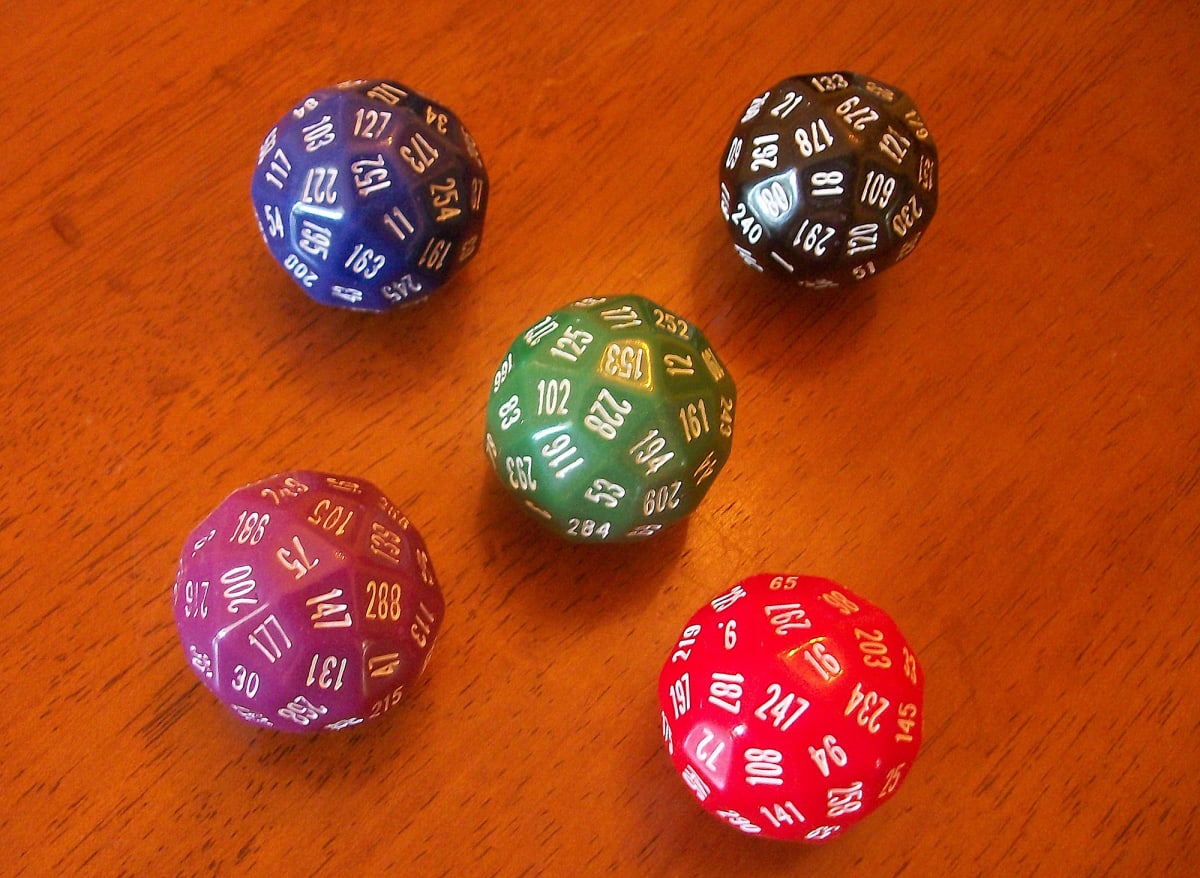
After 15 years of searching through more combinations than atoms in the universe, mathematicians finally cracked the "go first dice" problem with a set of five perfectly fair 60-sided dice. Giant wooden replicas now stand in Auburn University to celebrate the achievement.
A simple dinner question in 2010 launched mathematician Eric Harshbarger on a 15-year quest that would require searching through more possibilities than atoms exist in the universe.
Board game designer James Ernest asked his friend Harshbarger if he could create dice that any number of players could roll to fairly determine turn order. The catch? No ties, no rerolls, and perfect fairness whether two people played or ten.
Harshbarger, who teaches at Auburn University in Alabama, couldn't answer that night. But the question haunted him in the best possible way.
He teamed up with childhood friend Robert Ford, a mathematician at Dalton State College. Within weeks, they solved it for three players using regular six-sided dice. Ford later cracked four players by hand using 12-sided dice.
Word spread fast. After Harshbarger presented the four-player solution at math conferences in 2012, his inbox exploded with orders. He started a cottage industry from his workshop, laser-etching numbers onto blank dice and hand-inking each one before shipping them worldwide.
But five players? That became the white whale.
The team knew a solution existed mathematically. Finding it meant navigating more than 10 to the 128th power possible combinations. Even with every computer and AI system on Earth working for billions of years, brute force couldn't crack it.
"My goal was a set for five players that can actually be manufactured, that you can hold in your hand," Harshbarger explained. They needed dice small enough to roll but complex enough to guarantee fairness for any subset of players.
Years passed without progress. Every promising path led to dice too large to hold or too complex to make.
Then in mid-2023, Canadian software engineer Paul Meyer sent an unexpected email. He'd studied patterns in the four-player data and written a program to exploit them. The program found something remarkable: five 60-sided dice numbered 1 through 300 that satisfied every fairness condition.
Meyer didn't expect his program to work immediately. It did.
Why This Inspires
This story captures something beautiful about human curiosity. Harshbarger and his collaborators spent 15 years solving a problem that has zero practical importance for actual gameplay. Players could just roll regular dice twice if they tied.
But the quest wasn't really about dice. It was about pushing the boundaries of what's mathematically possible and proving that seemingly impossible puzzles can crack open with the right combination of patience, collaboration, and creativity.
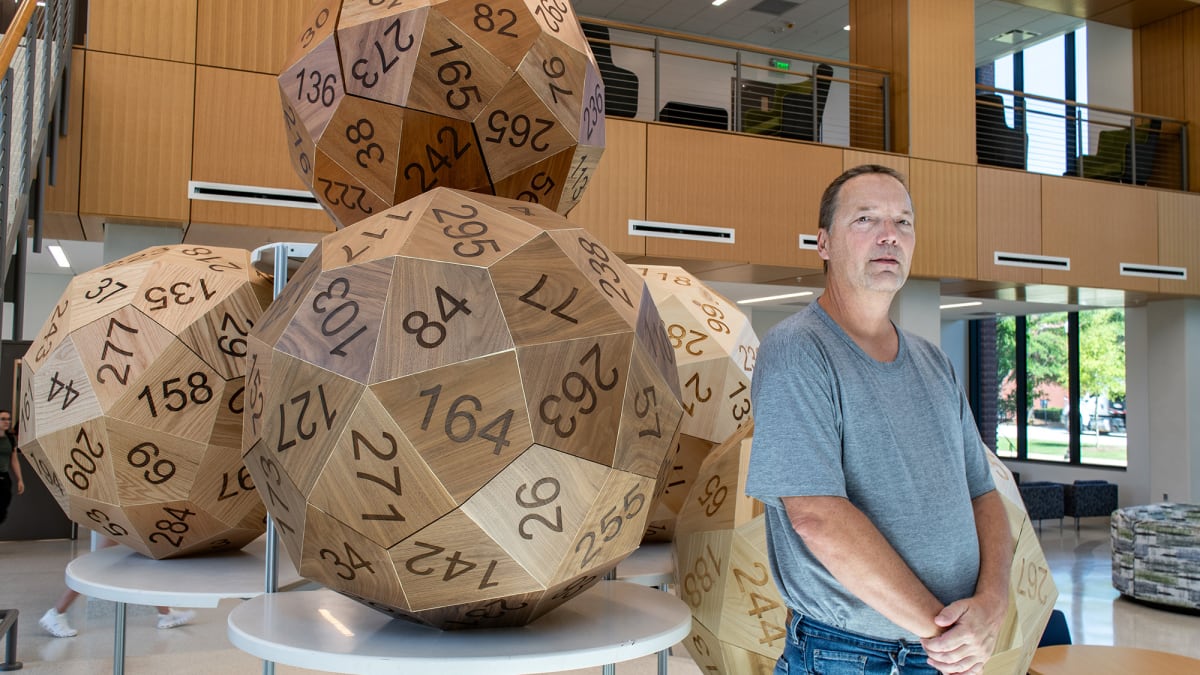
To celebrate, Harshbarger built five giant wooden replicas of the 60-sided shapes, each carved from different wood. They now stand permanently in Auburn's new mathematics building, a monument to the power of sticking with a question that won't let you go.
Sometimes the most pointless problems lead to the most profound sense of accomplishment.
More Images

Based on reporting by Live Science
This story was written by BrightWire based on verified news reports.
Spread the positivity!
Share this good news with someone who needs it