Medical Schools Use AI and Tech to Train Future Doctors
A new generation of medical schools is revolutionizing how doctors are trained, using AI, virtual reality, and flexible learning to address America's looming physician shortage. Schools like Noorda College of Osteopathic Medicine are preparing physicians who are tech-savvy, compassionate, and ready to serve underserved communities.
The United States could face a shortage of 86,000 doctors by 2036, but medical schools are rising to meet the challenge with groundbreaking changes to how they train physicians.
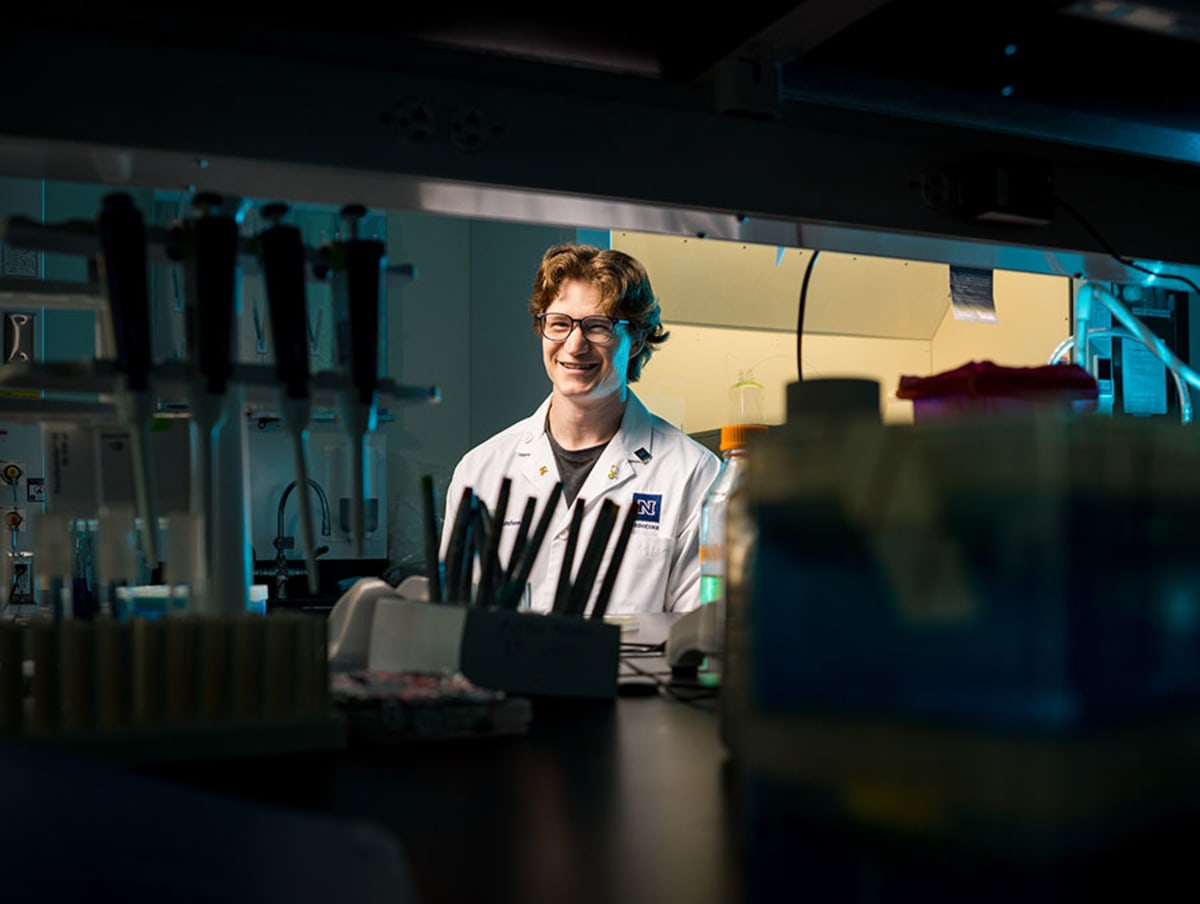
At Noorda College of Osteopathic Medicine and other modern institutions, students are learning with tools that were science fiction a decade ago. Portable ultrasound devices let them visualize organs in real time, while high-fidelity simulation labs use responsive mannequins to replicate complex medical emergencies before students ever treat real patients.
Augmented reality is transforming how future doctors understand the human body. Instead of memorizing flat textbook images, students explore anatomy in three dimensions, building deeper understanding and confidence.
Artificial intelligence is becoming as essential to medical training as the stethoscope. Students learn to interpret AI-powered imaging analysis and clinical documentation tools, not to replace their judgment but to enhance it and free up more time for patient care.
The tech revolution extends beyond the classroom walls. Students are mastering wearable health technology that enables continuous patient monitoring, allowing doctors to detect problems earlier and intervene before conditions worsen.
This innovation matters most for the 100 million Americans living in areas with primary care shortages. By learning to leverage remote monitoring and real-time data, future physicians can extend quality care to rural and underserved communities that desperately need it.
Medical education itself is becoming more accessible and personalized. Pod-based learning systems allow small groups to collaborate while progressing at their own pace, with recorded lectures providing flexibility for students balancing family responsibilities.
Students can now pursue specialized tracks in rural health, global medicine, or wilderness care. This customization makes rigorous medical training achievable for more people without compromising standards.
The human element remains central to this transformation. From day one, students participate in community outreach programs, volunteer clinics, and health fairs, gaining exposure to diverse populations and the social factors that influence health outcomes.
Clinical rotations span both urban and rural settings, teaching students how income, geography, and education affect patient health. The result is a generation of doctors who are clinically skilled and deeply committed to addressing healthcare disparities.
Schools are also prioritizing what previous generations ignored: physician wellness. Programs now incorporate stress management, mindfulness, and work-life balance into the curriculum, recognizing that healthy doctors provide better patient care.
Why This Inspires
These changes represent more than educational innovation. They reflect a fundamental shift toward healthcare that is more accessible, more personal, and more sustainable for both patients and providers. By combining cutting-edge technology with emphasis on service and wellness, medical schools are preparing doctors who can meet the challenges of modern healthcare while maintaining the compassion and human connection that define great physicians.
As healthcare grows more complex, this new model offers hope that we'll have enough skilled, caring doctors ready to serve everyone who needs them.
More Images


Based on reporting by Google News - School Innovation
This story was written by BrightWire based on verified news reports.
Spread the positivity!
Share this good news with someone who needs it