Mexico Keeps Cuban Doctors Helping Rural Communities
Mexico is standing firm on a program that brings Cuban doctors to underserved rural areas, even as the US pressures countries to end such partnerships. President Claudia Sheinbaum says the agreement fills a critical healthcare gap for communities that struggle to attract local physicians. #
When rural Mexican communities need medical care, help often comes from an unexpected place: Cuban doctors willing to work where others won't go.
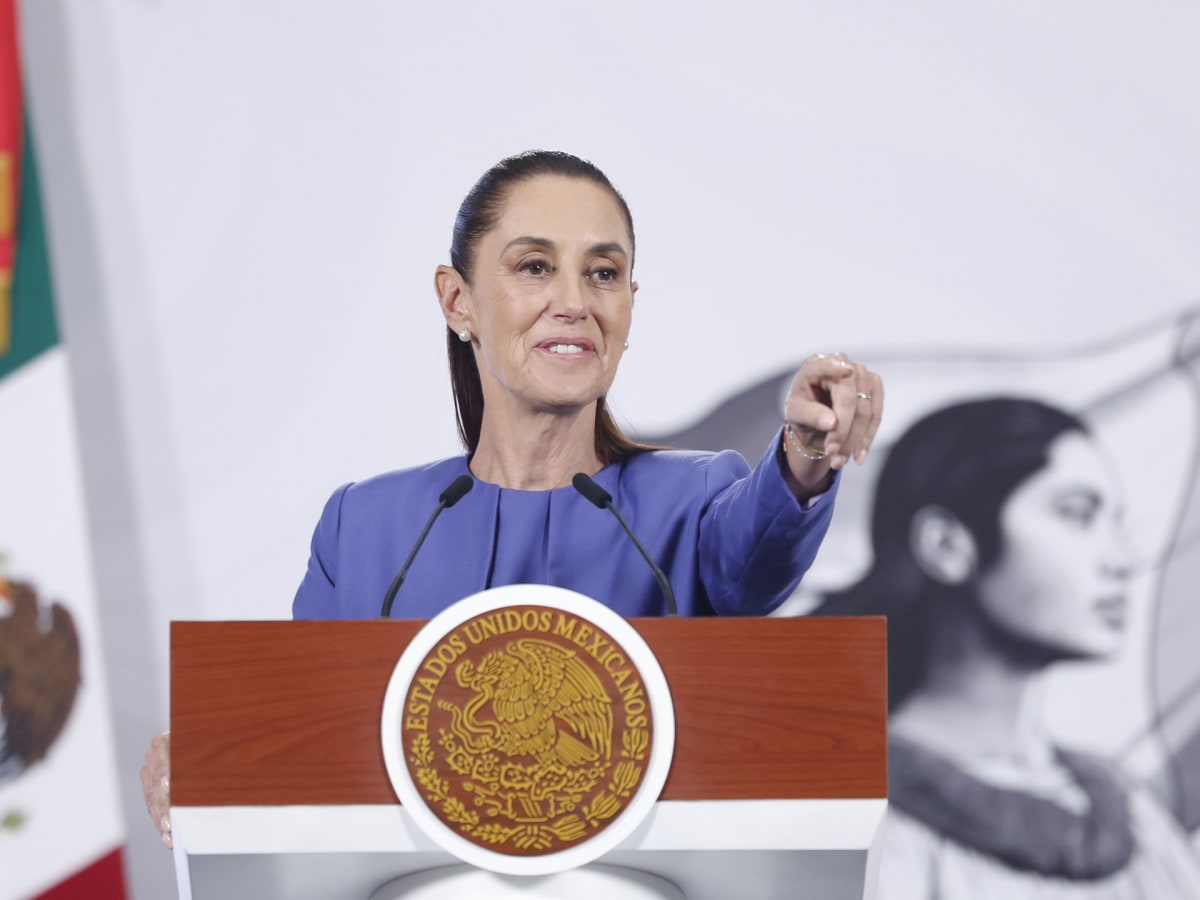
Mexican President Claudia Sheinbaum announced Wednesday that her country will continue welcoming Cuban medical workers, despite mounting US pressure to end the longstanding program. Since 2022, thousands of Cuban healthcare professionals have deployed across Mexico, primarily serving poor, rural areas that struggle to attract local doctors.
"It's hard to get Mexican doctors and specialists to go out to many rural areas where we need medical specialists, and the Cubans are willing to work there," Sheinbaum explained during a news conference. She emphasized that the bilateral agreement has been "very beneficial for Mexico."
The announcement comes as the US intensifies efforts to isolate Cuba's government. In February, the US passed a law opening the door to sanctions on countries participating in Cuba's medical exchange program. Secretary of State Marco Rubio has called it "human trafficking," citing concerns about worker conditions and confiscated passports.
Several countries, including the Bahamas, Honduras, Guatemala, Jamaica, and Guyana, have already ended their participation in response to US pressure. Mexico, however, is charting a different course.
For Cuba, the medical program serves dual purposes. The island nation has long framed it as international solidarity, while also relying on it as an important source of foreign revenue under the restrictive US embargo that's been in place since 1960.
The Ripple Effect
Mexico's decision affects more than just bilateral relations. For rural communities that have historically faced severe doctor shortages, these Cuban medical workers represent access to healthcare that might not otherwise exist. The program fills gaps in Mexico's medical infrastructure without requiring years of domestic recruitment and training efforts.
Sheinbaum's government has worked to balance maintaining friendly relations with Cuba while managing US demands. Even as Mexico continues the medical partnership, it has also sent humanitarian aid vessels to Cuba, which faces energy shortages due to Trump administration policies targeting the island's oil access.
The program demonstrates how countries can find creative solutions to healthcare access challenges while navigating complex international pressures.
#
Based on reporting by Al Jazeera English
This story was written by BrightWire based on verified news reports.
Spread the positivity!
Share this good news with someone who needs it