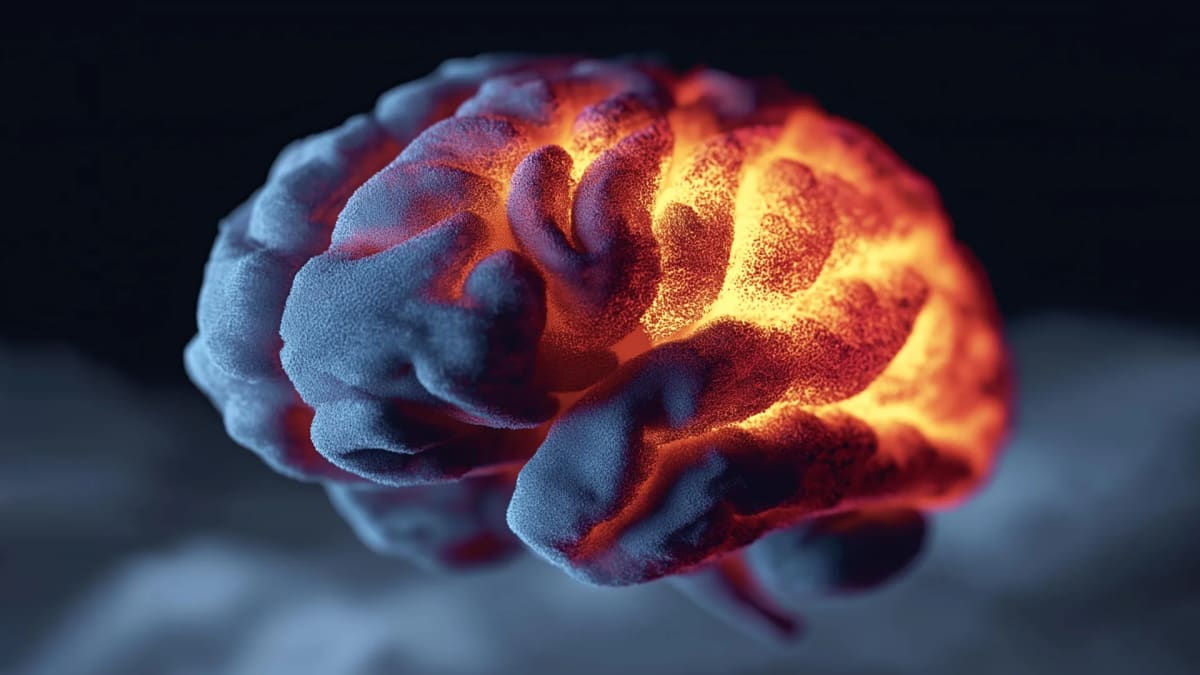
Miami Researchers Restore Brain Blood Flow in Alzheimer's Mice
University of Miami scientists found a way to restore blood flow in the brains of mice with Alzheimer's, a breakthrough that could lead to new treatments for the 7 million Americans living with the disease. By activating a specific protein in blood vessels, they reversed one of the earliest warning signs of the condition.
Two graduate students at the University of Miami may have just unlocked a new path toward treating Alzheimer's disease by targeting something most people never think about: tiny blood vessels in the brain.
Supriya Chakraborty and Zeynad Tabrizi discovered that activating a protein called Piezo1 in brain blood vessels restored normal blood flow in mice with Alzheimer's. This matters because reduced blood flow appears long before memory loss begins, making it one of the disease's earliest warning signs.
The pair used a pharmacological approach to wake up Piezo1, which acts like a sensor in blood vessel walls. When activated, it improved how blood rushed to active parts of the brain, a process that breaks down in Alzheimer's patients.
"While our study was able to improve and actually restore such functions in a mouse model with the disease, we believe such a method may hold great promise as a therapeutic strategy for humans," Tabrizi said. Their findings appeared in the Journal of the Alzheimer's Association in December 2025.
Both researchers took unexpected paths to this moment. Chakraborty was studying insects in India when an immunology instructor changed his perspective by calling immune cells "superheroes" inside the body. The analogy sparked a shift from bugs to brains.
Tabrizi brought experience from Iran studying schizophrenia and autism, but her heart pulled her toward academia. She had previously worked with neutrophils, white blood cells that clog brain vessels in Alzheimer's models, giving her unique insight into the vascular problems the disease creates.
The Ripple Effect
The impact of this research extends far beyond the 7 million Americans diagnosed with Alzheimer's. Family members who become caregivers shoulder enormous emotional and physical burdens as they watch loved ones slip away.
"Alzheimer's is a disease that not only affects the patient but also family members, who are often the ones who end up caregiving for a loved one with the disorder," Tabrizi explained. "So, our work will aid people on all fronts of battling the disease."
The researchers emphasize that much more investigation lies ahead before human trials can begin. But Chakraborty calls it "another major steppingstone in the race to solve the mystery of Alzheimer's."
For two students who chose to dedicate their careers to fighting diseases that steal human connection, this discovery offers something families desperately need: hope that better treatments may finally be within reach.
Based on reporting by Google News - Disease Cure
This story was written by BrightWire based on verified news reports.
Spread the positivity!
Share this good news with someone who needs it